

 Phoenix 24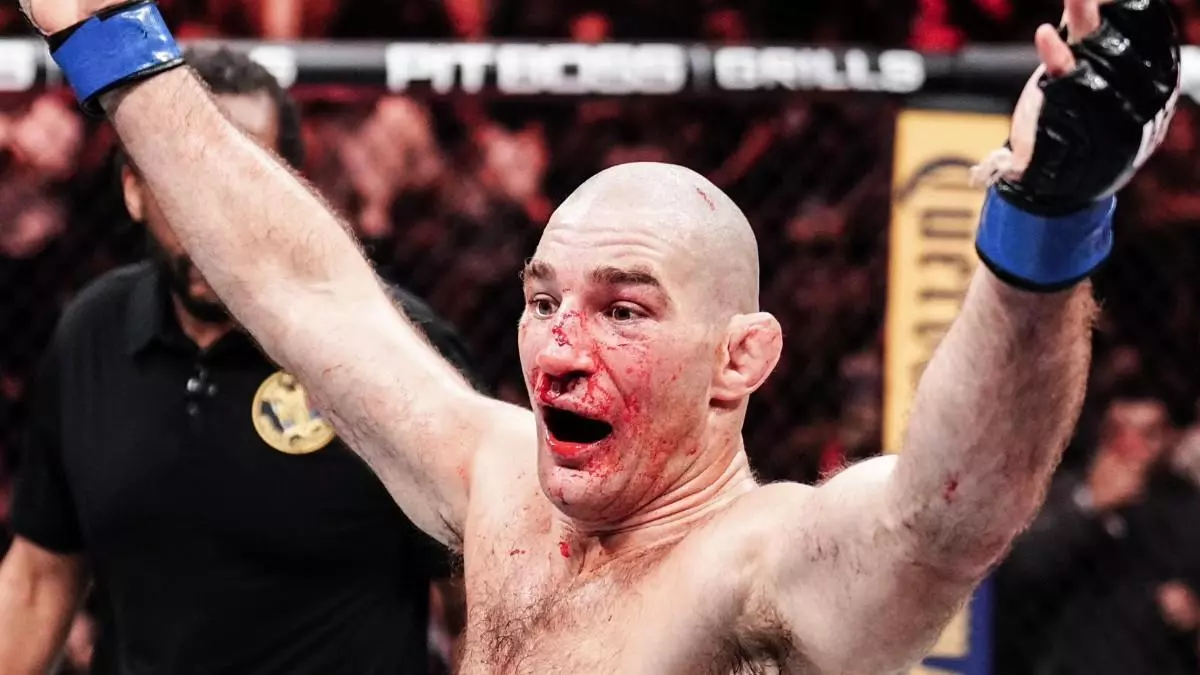
A surprise name changed the fight map.
Las Vegas, May 2026. Sean Strickland’s reported signing has become one of the most unexpected turns around Joel Álvarez’s immediate UFC landscape. The move reshapes attention around the Spanish fighter because it places a bigger-name figure into a conversation that seemed to be moving through a different competitive route. In a sport where matchups are business architecture as much as athletic tests, one signature can alter timing, visibility and risk.
For Joel Álvarez, the development matters because momentum in the UFC is fragile. A fighter can build credibility through performances, but that credibility only becomes power when it is converted into the right opponent, the right event and the right broadcast slot. Álvarez has the style, finishing threat and Spanish-market value to demand stronger placement, yet the promotion’s matchmaking logic rarely follows a straight sporting line.
Strickland represents a different kind of asset. He brings controversy, media gravity and a recognizable identity that extends beyond his technical profile. That makes any orbit around him commercially louder, even when the sporting fit is not obvious at first glance. UFC does not only book fights to solve rankings. It books them to create attention.
The surprise lies precisely there. A signing or matchup shift involving Strickland can redirect promotional energy away from fighters who were waiting for a cleaner path. Álvarez may benefit if the noise creates a larger card, a stronger platform or a new opportunity against a more visible opponent. But he may also be forced into a less predictable route where risk increases before the reward is fully secured.
This is the central tension for fighters outside the absolute superstar tier. They must accept danger to climb, but not every dangerous fight delivers equal strategic value. Álvarez’s team will need to read the moment carefully: whether this movement opens a door or simply complicates the calendar. In UFC, courage without matchmaking intelligence can become expensive.
The broader lesson is that modern mixed martial arts is governed by three forces at once: rankings, spectacle and market geography. Spain is becoming more relevant in combat sports, and Álvarez forms part of that growth. Yet global attention still bends toward personalities capable of generating conflict before the cage door closes.
Strickland’s presence therefore changes more than a name on a contract sheet. It changes the emotional temperature of the scene. His fights carry verbal aggression, controversy and polarized audiences, which can magnify any card he touches. For Álvarez, that can be opportunity if handled with discipline, or distraction if the promotion turns the story into noise rather than progression.
The next decision around Álvarez will reveal whether UFC sees him as a marketable contender to build or a dangerous action fighter to use in volatile pairings. That distinction matters. One path creates long-term value. The other creates short-term violence.
In the end, Strickland’s move is not only a surprise headline. It is a reminder that UFC careers are shaped as much by timing and narrative control as by punches, kicks and submissions. Álvarez now stands before a shifting map, and the smartest fight may not be the loudest one.
Phoenix24: periodismo sin fronteras. / Phoenix24: journalism without borders.