

 Phoenix 24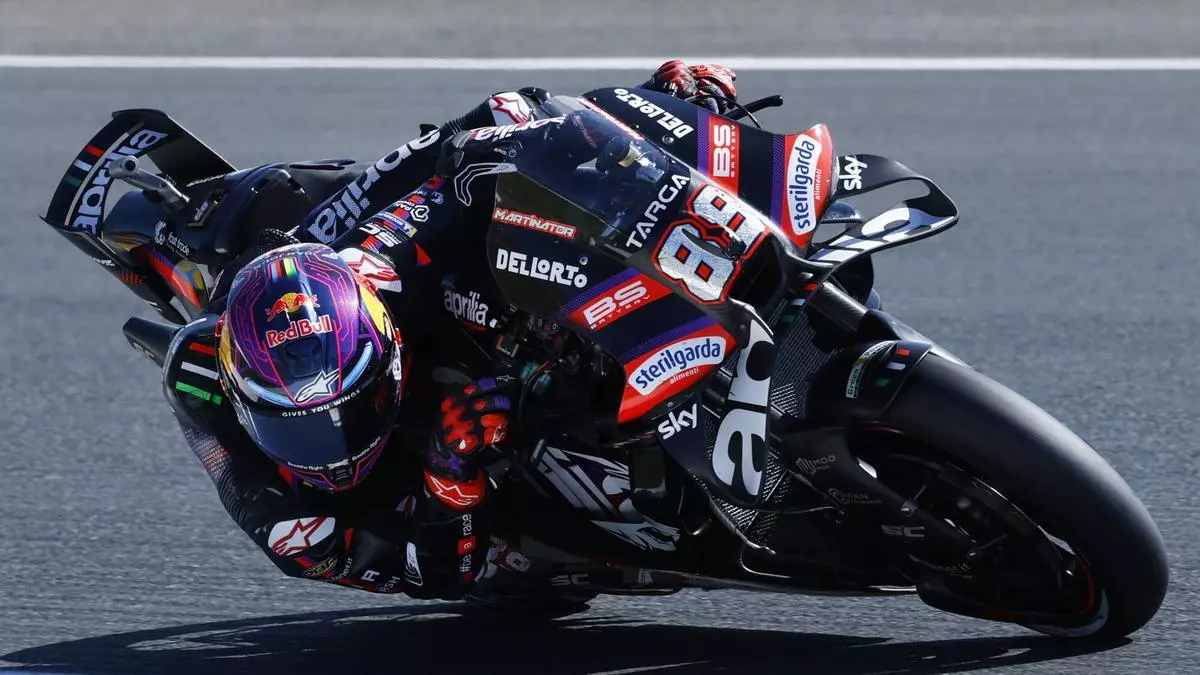
Consistency is becoming more valuable than speed.
Le Mans, May 2026. The 2026 MotoGP championship is evolving into one of the most volatile title races of the post-Marquez transition era. After the latest standings update, the gap between the leading riders remains narrow enough to keep the championship structurally unstable heading into the European core of the season. Unlike previous years dominated by one central figure, the current grid reflects a fragmented competitive order where factory strength, tire management and race discipline are outweighing pure aggression.
Marc Márquez continues to operate as the symbolic center of the championship conversation, but the dynamic around him has changed. His experience and racecraft remain decisive, yet the grid now contains multiple riders capable of exploiting technical inconsistency, sprint volatility and strategic mistakes. Ducati’s ecosystem still projects dominance, although internal competition between satellite and factory structures has created pressure that sometimes works against collective stability.
Jorge Martín remains one of the strongest threats because of his capacity to combine qualifying intensity with sprint efficiency. The modern MotoGP format increasingly rewards riders who can maintain high-level output across multiple race scenarios during the same weekend. That evolution has transformed the championship into a test of psychological endurance as much as raw pace.
Francesco Bagnaia continues to represent Ducati’s most methodical championship architecture. His strength lies less in spectacular overtakes and more in minimizing damage during difficult weekends. In long championships, that profile often becomes more dangerous than explosive speed because consistency converts medium results into structural advantage over time.
The broader competitive environment also reflects MotoGP’s technological convergence. The differences between machines remain significant, but electronics, aerodynamics and data optimization have compressed performance margins enough to amplify rider decision-making under pressure. Small errors in braking, tire preservation or sprint positioning now produce disproportionate championship consequences.
Another emerging factor is physical resilience. The calendar’s intensity, sprint races and continuous travel rhythm are increasing cumulative fatigue across the grid. Modern MotoGP no longer rewards only the fastest rider. It rewards the rider capable of surviving a long sequence of physically and cognitively exhausting weekends with minimal collapse.
The championship’s global appeal is also benefiting from this instability. Formula 1 has often been criticized for predictable dominance cycles, while MotoGP currently offers a more chaotic competitive ecosystem where crashes, weather, tire degradation and aggressive overtaking can radically alter standings within a single weekend. That unpredictability has restored part of the category’s historic identity.
The 2026 standings therefore represent more than numerical positions. They reveal a championship entering a transition phase where experience, adaptation and strategic intelligence are becoming more decisive than isolated moments of brilliance. The rider who ultimately wins the title may not be the most spectacular one, but the one who best manages instability across an increasingly unforgiving season.
Geopolítica, sin maquillaje. / Geopolitics, unmasked.