

 Phoenix 24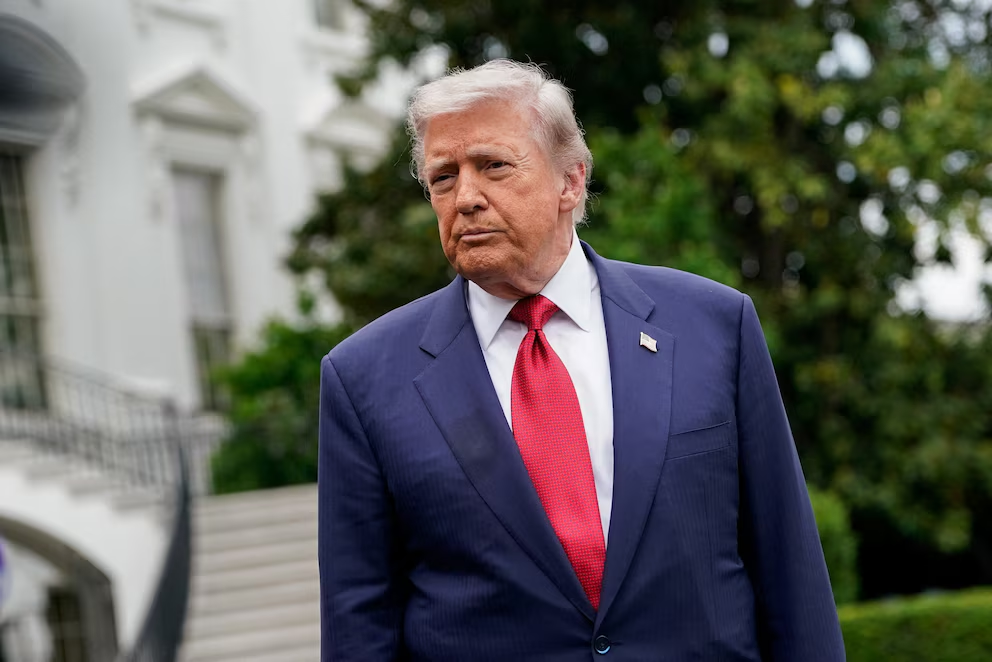
Peace talks now carry the language of threat.
Washington, May 2026. Donald Trump’s warning that Iran will no longer “laugh” at the United States has placed the latest diplomatic track between Washington and Tehran under a familiar pressure pattern: negotiation wrapped in coercive language. The statement came as the United States awaited Iran’s response to a peace proposal designed to contain the conflict, stabilize the Strait of Hormuz and prevent a wider regional escalation. What appears on the surface as another Trump phrase is, in fact, part of a broader strategy that uses public humiliation as a diplomatic instrument.
The reference to “47 years” is politically loaded. It points to the post-1979 rupture between Washington and Tehran, a period defined by hostage trauma, sanctions, proxy confrontation, nuclear suspicion and competing narratives of national dignity. For Trump, that timeline becomes a campaign of grievance: the idea that Iran has mocked, exploited or outmaneuvered the United States for decades. For Tehran, the same timeline is framed as resistance against American pressure and Western interference.
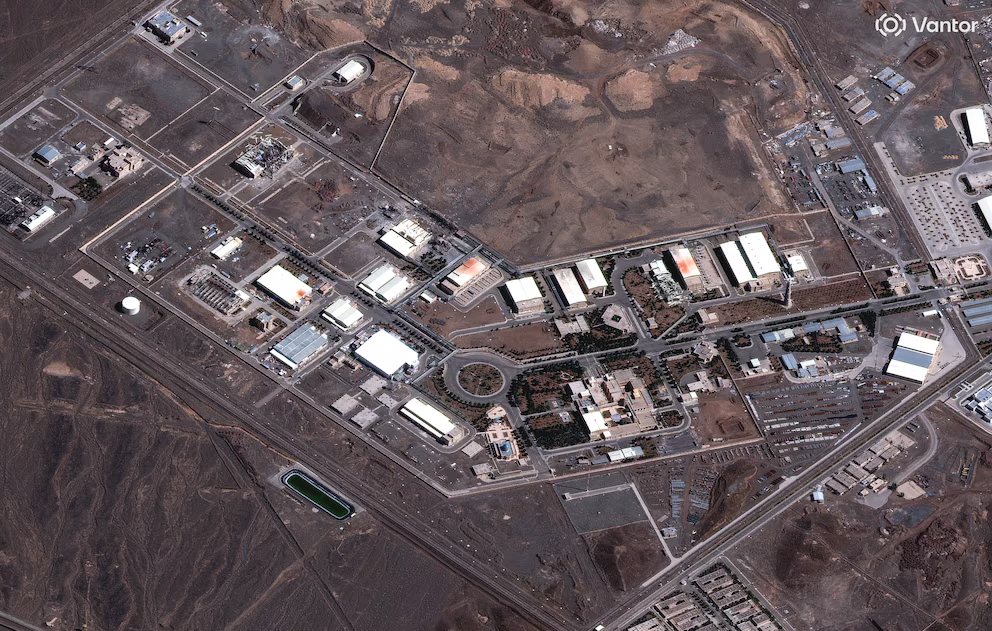
The timing matters because the diplomatic channel remains fragile. Iran has reportedly transmitted its response through Pakistan, turning Islamabad into a mediator in one of the most sensitive negotiations of the current Middle East crisis. That indirect route reveals the lack of trust between Washington and Tehran, but also the urgency of keeping communication alive. When adversaries cannot speak directly without political cost, intermediaries become strategic oxygen.
The Strait of Hormuz remains the hidden center of gravity. Any disruption there can affect energy markets, shipping confidence and the perception of global economic stability. Trump’s warning that the United States could resume or expand protective operations for vessels signals that diplomacy is being backed by maritime pressure. This is not only a negotiation over Iran. It is a negotiation over the nervous system of global trade.
Iran’s position is also shaped by internal and regional constraints. Any concession to Washington risks being read domestically as weakness, especially after years of sanctions and military confrontation. At the same time, Tehran must weigh the economic benefit of de-escalation, possible sanctions relief and the stabilization of its regional environment. That dual pressure makes the Iranian response politically delicate and strategically slow.
Trump’s language may energize his base, but it also raises the cost of compromise. If Iran accepts elements of the proposal after being publicly mocked, its leadership may need to reframe the outcome as a victory of resistance rather than a concession to pressure. If it rejects the proposal, Washington can present Tehran as irrational and justify harder measures. That is the central function of coercive rhetoric: it narrows the opponent’s room for maneuver while preparing the domestic audience for escalation.
The deeper risk is that symbolic language can harden real positions. In crises involving missiles, oil corridors and nuclear distrust, words are not decorative. They shape expectations, trigger military readiness and influence how allies and adversaries interpret intent. A phrase designed for political theater can become a signal inside a security system already operating near the edge.
The latest exchange shows that the United States and Iran are not merely negotiating terms. They are negotiating dignity, deterrence and historical memory. Trump wants to project the end of American humiliation. Tehran wants to avoid appearing subordinated. Between those two narratives sits the actual question: whether a deal can survive the politics of pride.
If diplomacy advances, it will not be because the rhetoric softened. It will be because both sides quietly calculated that escalation costs more than restraint. Until then, every public warning will serve two purposes at once: pressure the enemy and reassure the audience at home that no one is retreating.
Contra la propaganda, memoria. / Against propaganda, memory.