

 Phoenix 24

Context is now a retention weapon.
Stockholm, February 2026.
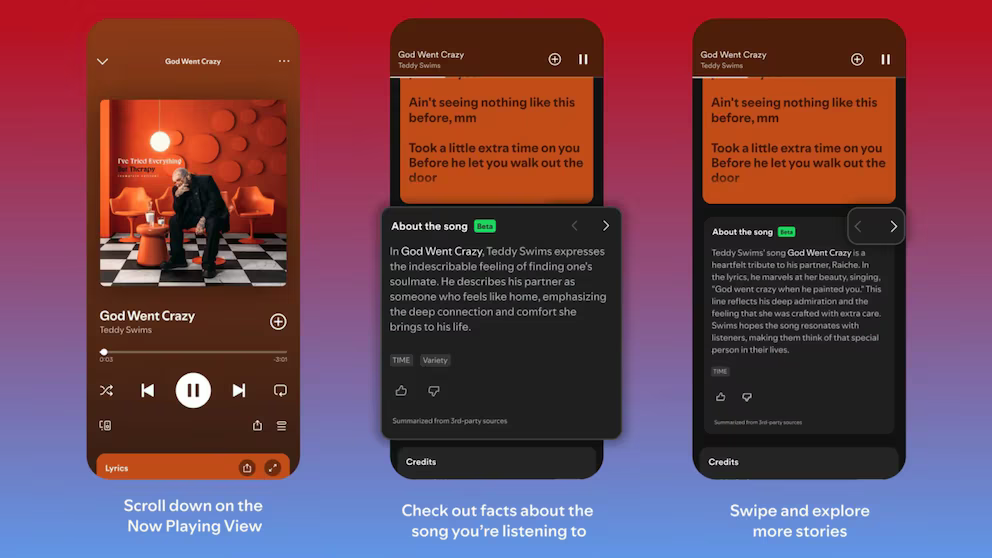
Spotify is testing a feature that brings short “story behind the track” context directly into the listening screen, turning background information into a native part of playback. The idea is simple: reduce the impulse to leave the app to search for meaning, and instead keep curiosity contained inside the platform. What looks like a small interface upgrade is a strategic move, because whoever controls the explanatory layer can shape how listeners interpret music at scale. In streaming, interpretation is becoming a product surface, not a side effect.
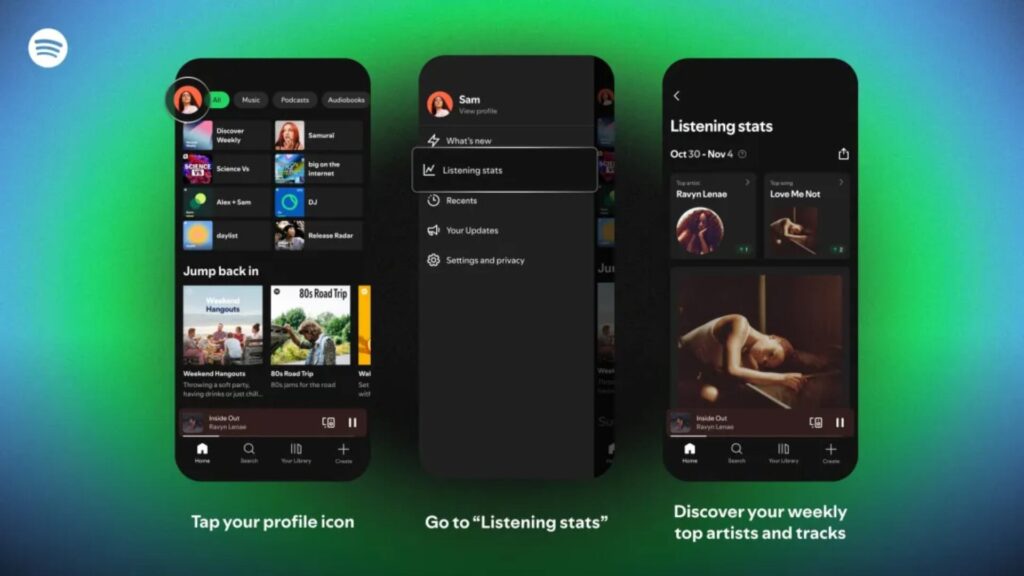
The feature’s power is not only what it shows, but what it selects, because selection is a form of quiet governance. When a platform compresses an artist’s intent into a few cards, it chooses which facts become canonical and which complexities get discarded as inconvenient. Even a careful summary can harden into “truth” simply because it sits next to the play button, where attention is highest and skepticism is lowest. That proximity creates authority by design, not necessarily by accuracy.
This is also an attention economics story, because context extends session length in the same way autoplay and recommendations do. Lyrics already turned listening into reading, and reading increases dwell time, so adding story cards completes a meaning stack that keeps the user scrolling while the music plays. The platform can then measure which kinds of narratives retain people, which ones trigger skips, and which ones drive replays. Once that feedback loop exists, context stops being purely informative and becomes optimizable content.

The sourcing model matters because music lore is messy, often contradictory, and frequently recycled across outlets and fan spaces with small distortions. If the stories rely on third party material, the system inherits the strengths and weaknesses of the broader media environment, including errors that spread because they are repeatable. User voting mechanisms can train taste, but they do not verify truth, and a popular card can still be wrong. In a frictionless interface, mistakes do not feel like mistakes, they feel like official footnotes.
For artists, the feature is both opportunity and risk, because it can reinforce identity or flatten it into a single marketable angle. Some artists will benefit from narrative framing that clarifies themes and craft, especially when the music is subtle and the audience is casual. Others may find themselves trapped by a simplified origin story that crowds out evolution, ambiguity, or contested interpretation. When a platform standardizes the story, the artist’s relationship with their own work can become a negotiation with an interface.
The larger pattern is that streaming is moving from distribution to mediation, and mediation is where institutional power accumulates. Once the platform curates not only what you hear, but what you believe about what you hear, it becomes a narrator, not merely a library. That shift will reward the services that feel most “helpful” while quietly narrowing the range of meanings that remain visible. The next competitive edge in music tech will be who owns context, because context is how loyalty is built when songs are infinitely substitutable.
Truth is structure, not noise.
La verdad es estructura, no ruido.