

 Phoenix 24
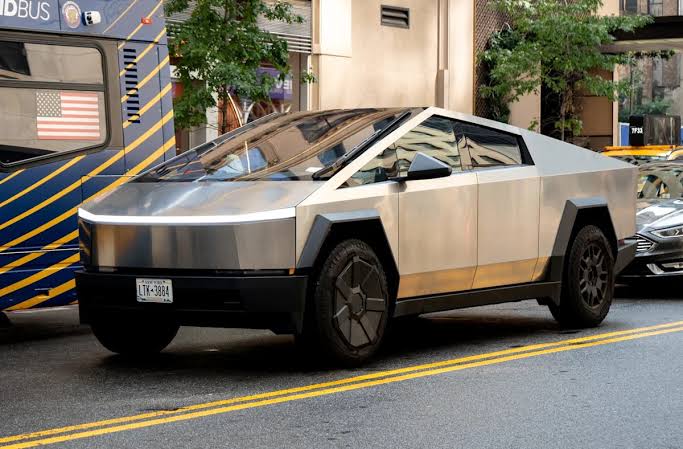
Rising prices reveal a deeper commercial challenge.
AUSTIN, TEXAS
Tesla has raised Cybertruck prices in the United States while preparing to scale back production of its futuristic electric pickup at Gigafactory Texas in mid-2027. The announcement presents an unusual commercial contrast: a vehicle struggling to meet its original sales expectations is becoming more expensive as the company redirects manufacturing resources toward autonomous transportation.
The latest pricing adjustments place the Cybertruck Premium All-Wheel Drive at $92,490, an increase of $7,500 from its August price. The higher-performance Cyberbeast now costs $102,490, crossing the $100,000 threshold. Meanwhile, the entry-level Dual Motor AWD displays a price of $82,490 but is no longer available for new orders.
For prospective buyers, this means the least expensive Cybertruck currently available to order starts at $92,490, before applicable taxes and additional charges.
The figures reveal how dramatically Tesla’s commercial strategy has evolved since the vehicle’s unveiling in 2019, when Elon Musk presented an expected starting price of $39,900. Subsequent production challenges, changing specifications and repeated price adjustments substantially altered that original proposition.
Demand has also fallen short of expectations. According to estimates from Kelley Blue Book cited by Reuters, Cybertruck sales in the United States declined from 38,965 vehicles in 2024 to 20,237 in 2025, a decrease of approximately 48%.
Those results stand in sharp contrast to Musk’s earlier ambition of reaching annual production of 250,000 units.
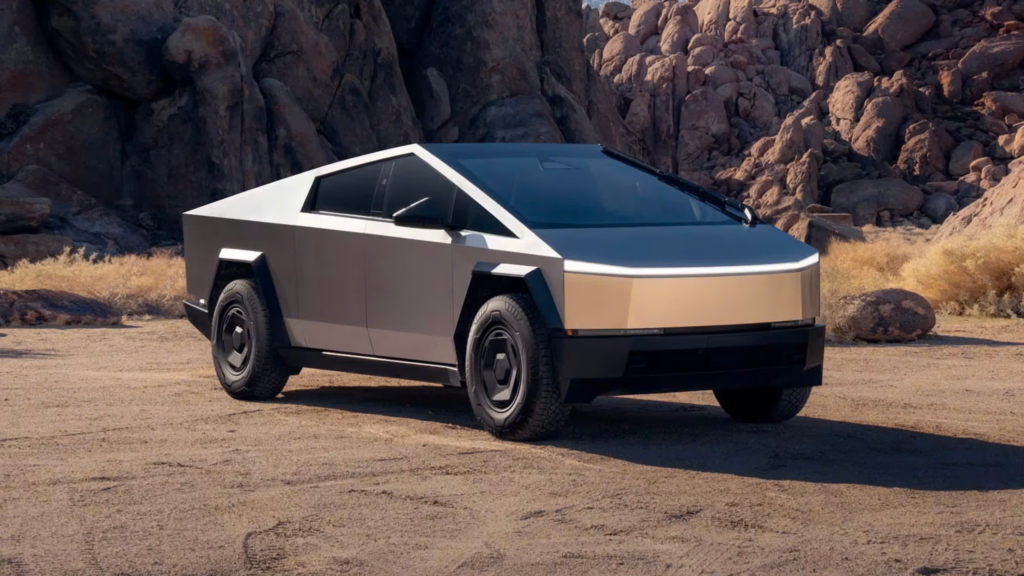
Product reliability has presented another obstacle. Since deliveries began in late 2023, the Cybertruck has accumulated 11 recalls involving problems that ranged from software-related defects to components requiring physical repairs.
Its unconventional stainless-steel construction has also complicated international expansion, particularly in Europe, where pedestrian safety requirements have restricted the model’s commercial prospects.
Against this background, Tesla is reassessing how to use its manufacturing capacity. Musk confirmed that Cybertruck production at the Austin factory will be gradually reduced around the middle of 2027 to accommodate increased output of the Cybercab, a two-seat autonomous vehicle designed without conventional driving controls.
However, the company has not formally clarified whether Cybertruck manufacturing will move to another facility or end permanently. The distinction matters because Texas remains the only known Tesla factory equipped to produce the pickup’s specialized components.
The Cybercab represents a different business proposition, emphasizing autonomous mobility services rather than conventional vehicle ownership. Its commercial potential remains uncertain, with regulatory scrutiny and operational performance still influencing its development.
For Tesla, the decision exposes a broader industrial challenge: transforming ambitious engineering projects into products that generate sustainable demand.
Higher Cybertruck prices may improve revenue per vehicle sold, but they do not establish stronger demand or guarantee profitability. Equally, reallocating factory resources toward autonomous vehicles offers potential opportunities without ensuring commercial success.
The coming transition will test whether Tesla can convert technological innovation into a more durable business model while addressing the gap between its original Cybertruck ambitions and actual market performance.
Beyond the Hype, Reality Matters.