

 Phoenix 24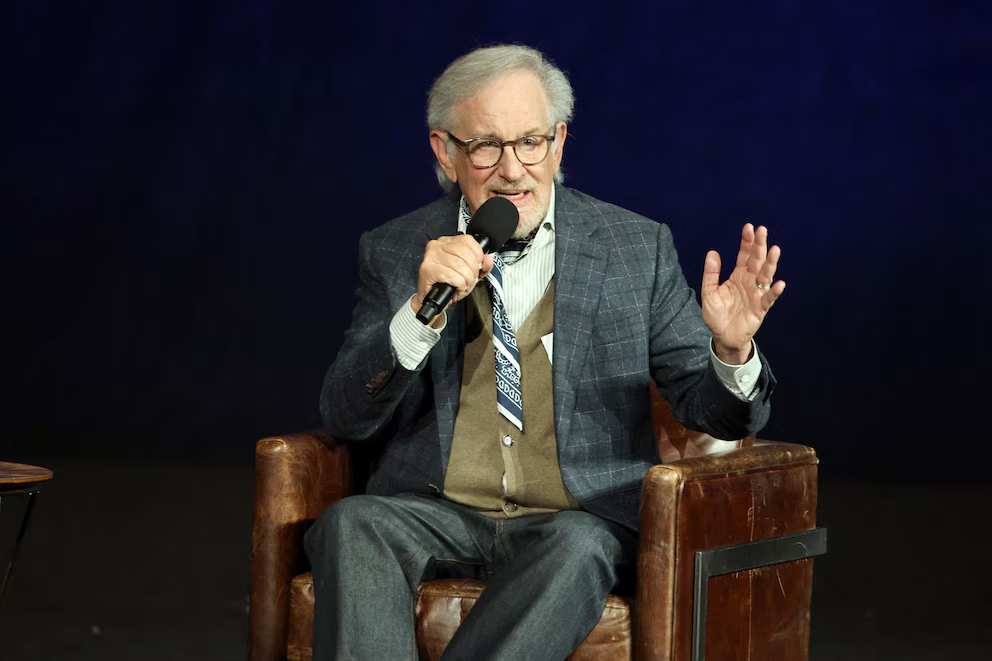
The industry may be profitable, but creatively underfed.
Las Vegas, April 2026. Steven Spielberg used his appearance at CinemaCon to deliver a warning that cuts to the core of the modern film business: an industry built too heavily on recognizable brands and pre sold intellectual property risks exhausting its own creative fuel. His argument was not nostalgic or rhetorical. It was structural. If studios continue relying too much on familiar franchises at the expense of original stories, the system may preserve short term commercial security while weakening the imaginative engine that allows cinema to renew itself.
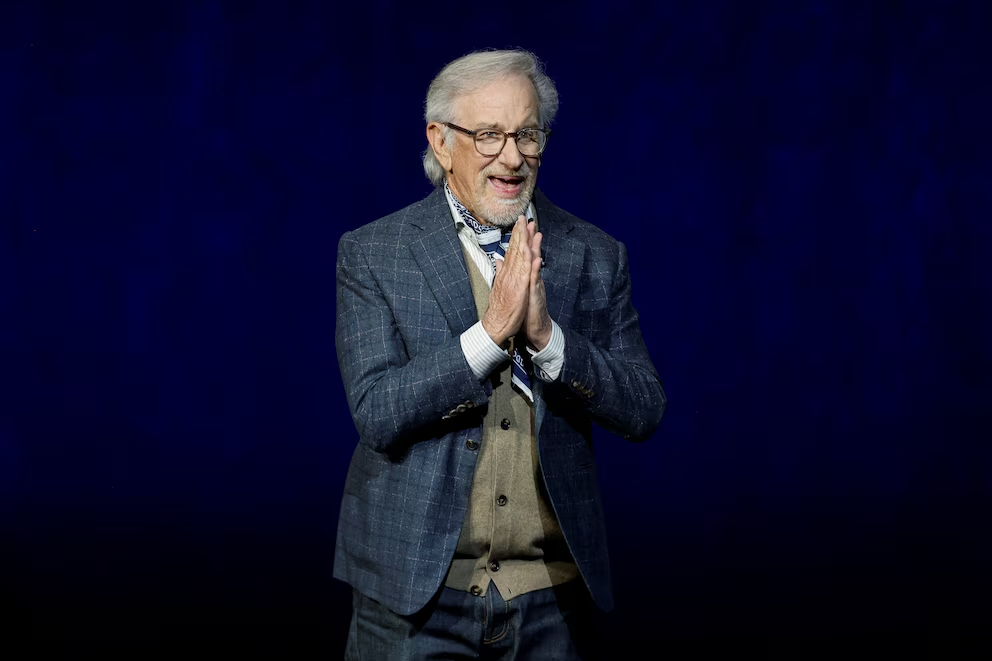
Spielberg’s intervention also focused on exhibition windows, another point of tension in the post streaming era. He argued that films need to remain in theaters longer before moving into home platforms, suggesting that theatrical exclusivity still matters not only for revenue but for the survival of cinema as a distinct cultural experience. That position is significant because it comes from a filmmaker whose career spans the era of blockbuster consolidation as well as the current age of platform accelerated consumption. His warning carries the weight of someone who helped shape the industrial model and now sees its vulnerabilities more clearly.
The phrase that crystallized the moment was blunt. If the industry produces only branded and already familiar intellectual property, he said, it will run out of fuel. The metaphor is precise because it frames originality not as a luxury or prestige accessory, but as the energy source that keeps the medium alive. Sequels, universes and established franchises may generate predictable returns, but they cannot indefinitely substitute for new narrative worlds. A system that keeps recycling recognition without generating fresh vision eventually narrows its own future.
That concern speaks directly to Hollywood’s current logic. Studios increasingly prioritize projects that arrive with built in audience awareness, lower marketing risk and clearer cross platform monetization potential. From a balance sheet perspective, the strategy is understandable. From a cultural perspective, it is more dangerous. The more the industry treats originality as secondary, the more it conditions audiences to expect repetition as the norm. Over time, that does not merely change what gets made. It changes what seems possible.
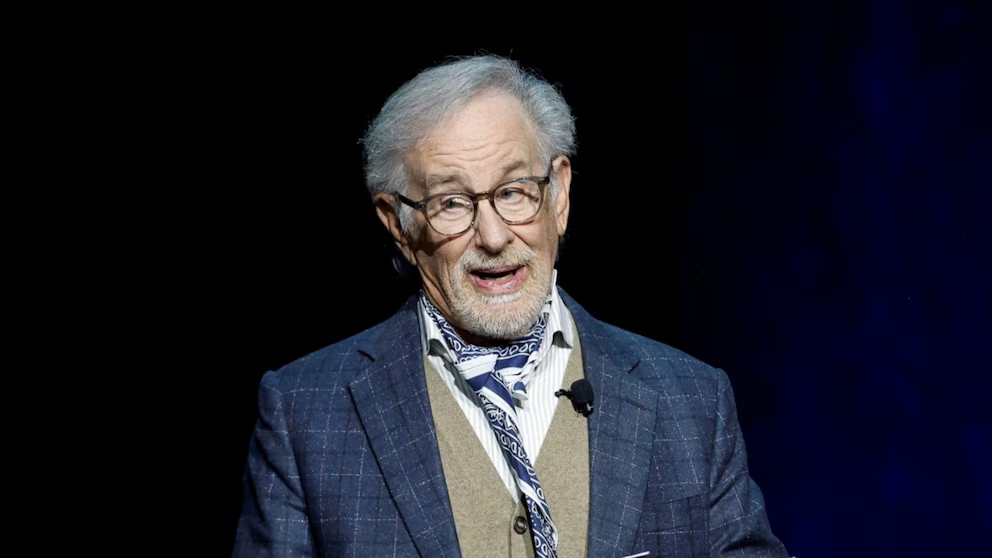
Spielberg’s call for longer theatrical runs adds another layer to that critique. The shortening of exclusivity windows has altered how movies are valued, consumed and remembered. When films move too quickly from cinemas to domestic platforms, they can lose the aura of event status that once helped define theatrical culture. The cinema becomes less a destination and more a temporary stop in a broader distribution pipeline. Spielberg’s position suggests that this shift may weaken not only exhibitors, but also the perceived significance of film itself as a communal experience.
There is a larger industrial contradiction here. Hollywood has never been more sophisticated in data, targeting and distribution efficiency, yet it is increasingly haunted by the possibility of imaginative stagnation. The machine can optimize visibility, but it cannot industrially guarantee surprise. Original stories remain riskier to finance, yet they are often what replenish the symbolic capital that keeps the medium culturally alive. In that sense, Spielberg’s warning is not anti business. It is anti exhaustion. He is pointing to the danger of a model that becomes too efficient at reproducing what already worked.
His remarks matter especially because they arrive from within the center of the industry rather than from its margins. This is not an outsider lamenting commercial cinema from a position of artistic purity. It is one of Hollywood’s defining architects signaling that the equilibrium has moved too far toward safety. That gives the warning a different force. It suggests that concern about overdependence on franchise logic is no longer confined to critics or independent filmmakers. It is now visible even among those who understand the studio system from the inside.
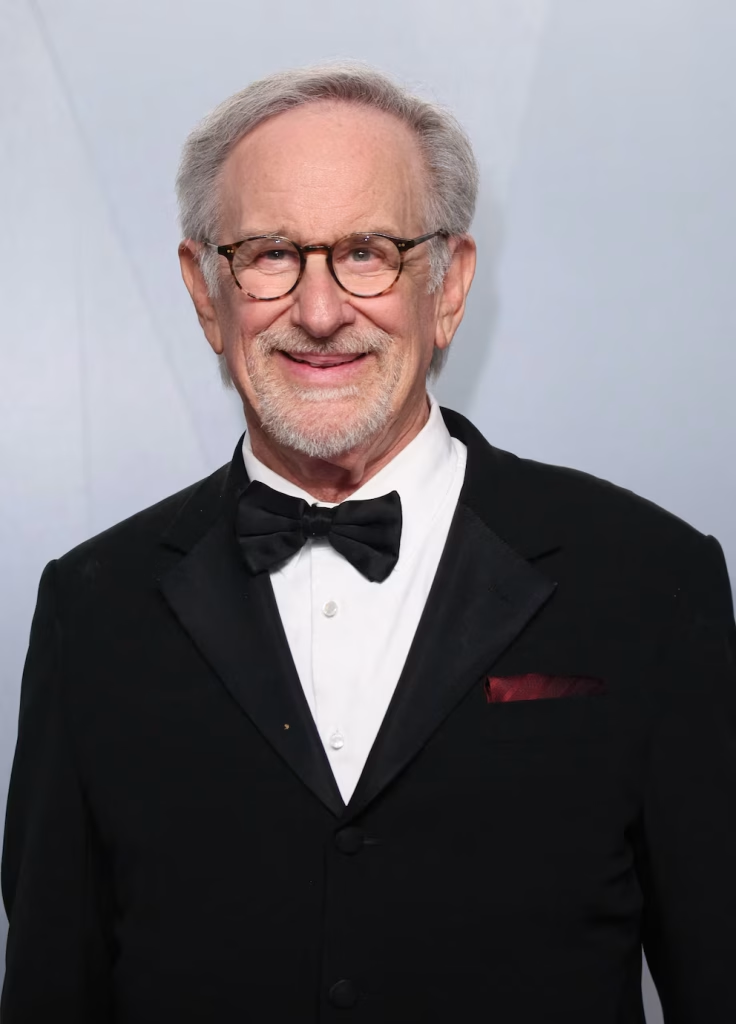
What Spielberg ultimately describes is a battle over cinematic sustainability. The future of film will not be decided only by technology, distribution or market scale, but by whether the industry still makes room for narrative invention substantial enough to justify the medium’s cultural authority. Hollywood may remain profitable while becoming more repetitive, but profit alone cannot sustain artistic legitimacy forever. A cinema that stops generating new imaginative energy does not die suddenly. It thins out from within.
More than the news, the pattern. / Beyond the news, the pattern.