

 Phoenix 24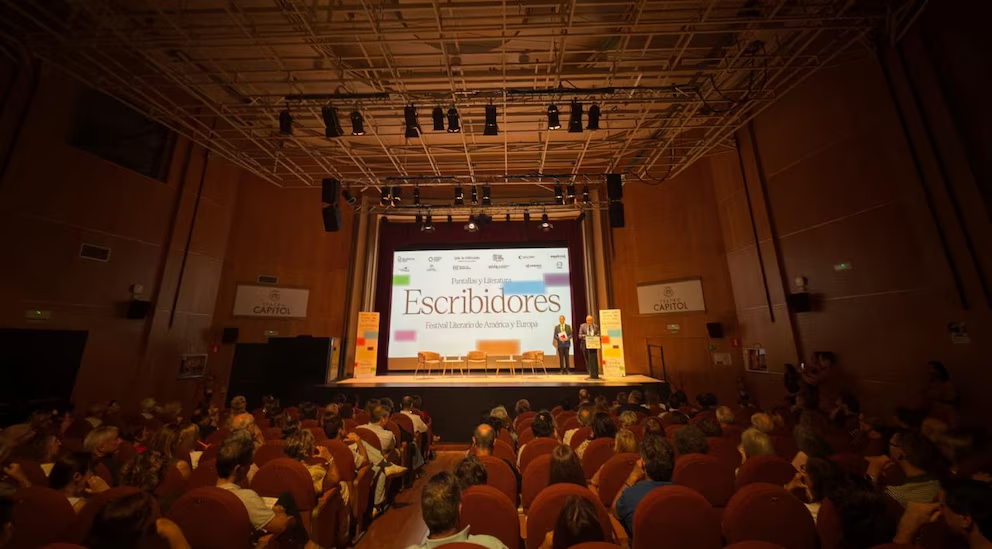
Books, cinema and social media are increasingly sharing the same cultural space.
Cáceres
The fifth edition of Escribidores transformed Cáceres into a meeting point between literature, cinema and digital culture during four days of conversations held under the theme “Screens and Literature.” Organized by the Vargas Llosa Chair with support from the regional government of Extremadura, the festival brought writers, filmmakers and journalists together to explore how stories move between books, films and online platforms. The program also expanded beyond adaptation itself, addressing bullying, mental health, polarization and exhaustion. The result was a festival that treated literature less as an isolated art form and more as part of a wider contemporary media ecosystem.
David Trueba and Ray Loriga opened the event with a question that captured that tension: what does a novel lose when it becomes a film? Loriga argued that cinema can preserve plot, characters and emotion while inevitably transforming literary style. Trueba added another complication, noting that film adaptations can replace the private images readers had already created in their minds. Their exchange established one of the festival’s central ideas: translation between media always involves both gain and loss.
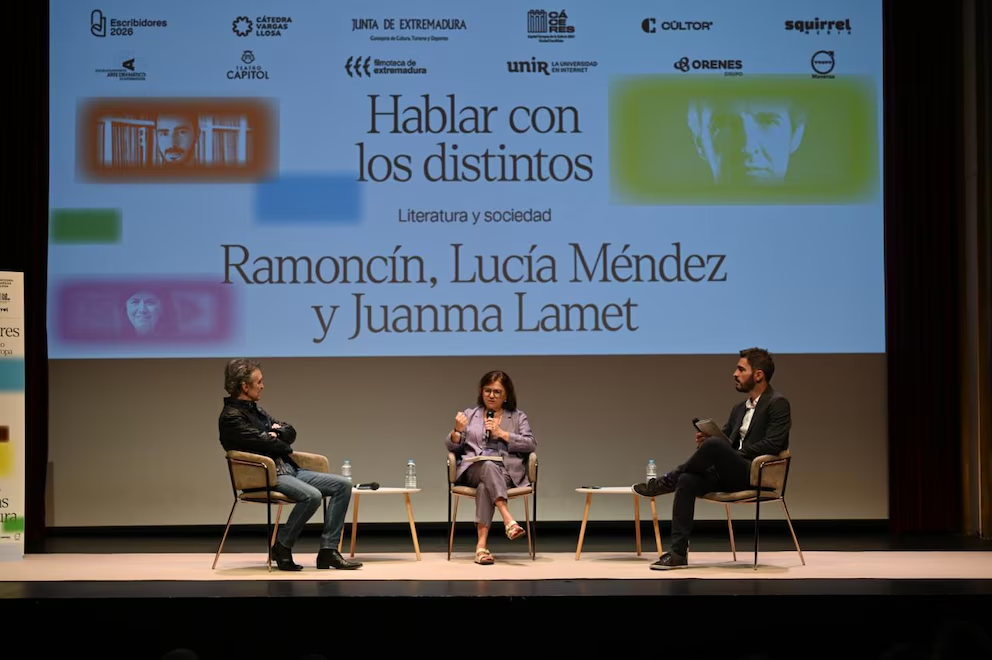
Other sessions connected literature with personal and social experience. Inma Rubiales reflected on rewriting her first novel, originally created at age fourteen after experiencing bullying, and on how adulthood changed her treatment of self esteem, body image and suicide. Ian Gibson and Ana Belén revisited their encounters with Federico García Lorca, while Ramoncín and journalist Lucía Méndez discussed social polarization, algorithms and the difficulty of speaking with people who think differently.
The festival also gave space to a younger literary culture shaped by digital platforms. Rubiales’ early success on Wattpad illustrated how readers can now discover writers before traditional publishing enters the process. Iria G. Parente and Selene M. Pascual discussed writing collaboratively and the importance of queer characters in young adult fantasy, showing how contemporary literature is also expanding the range of identities represented in popular fiction.
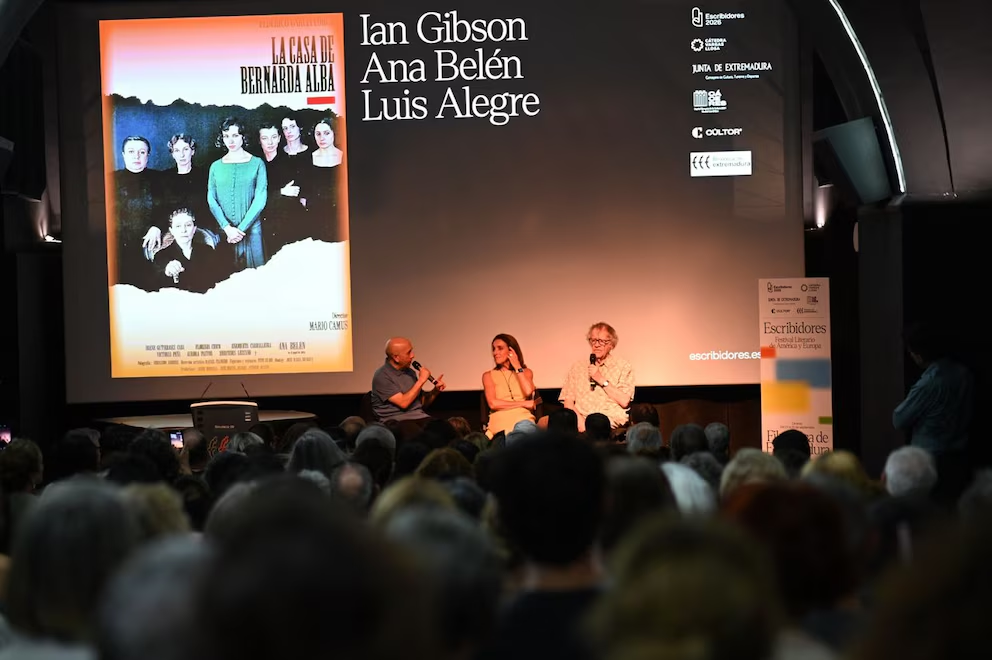
Cinema remained present throughout the event. Screenings connected Lorca, Hemingway and other literary figures with filmmakers and performers who examined the difficulty of moving stories from page to screen. The final sessions returned to Mario Vargas Llosa, meritocracy, memory and television writing, while Carme Riera received the festival’s career achievement award.
What emerged in Cáceres was not simply a celebration of books. It was a portrait of how literature now circulates through screens, platforms, films and public debates without losing its capacity to shape cultural memory.
La narrativa también es poder. / Narrative is power too.