

 Phoenix 24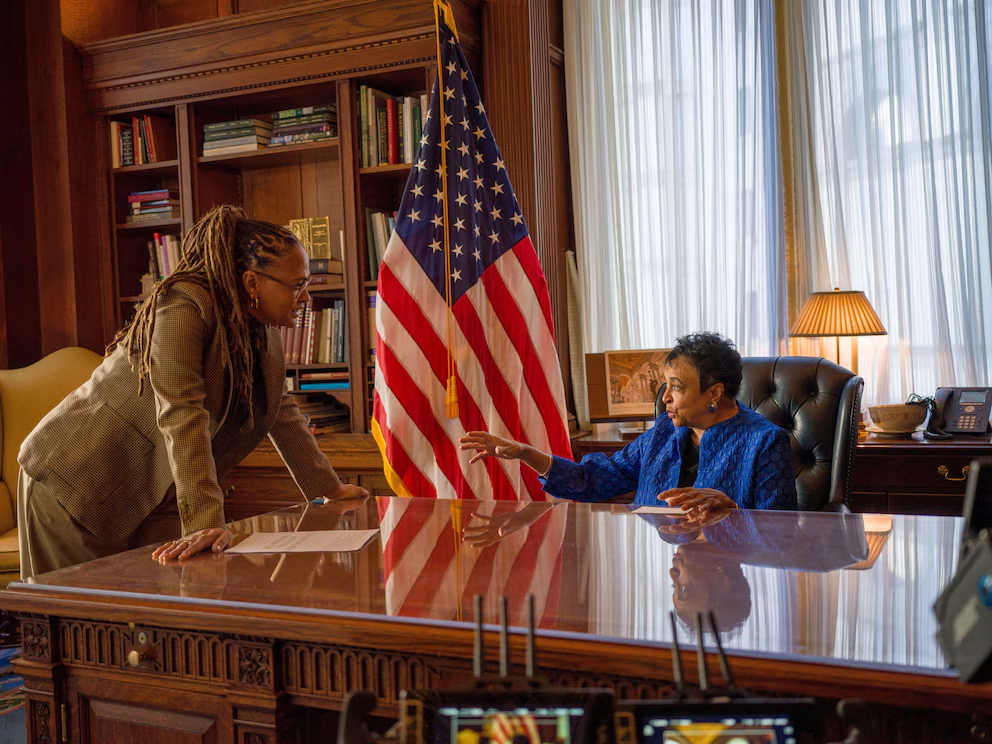
From Buñuel to Godzilla, the festival still treats film as culture.
New York
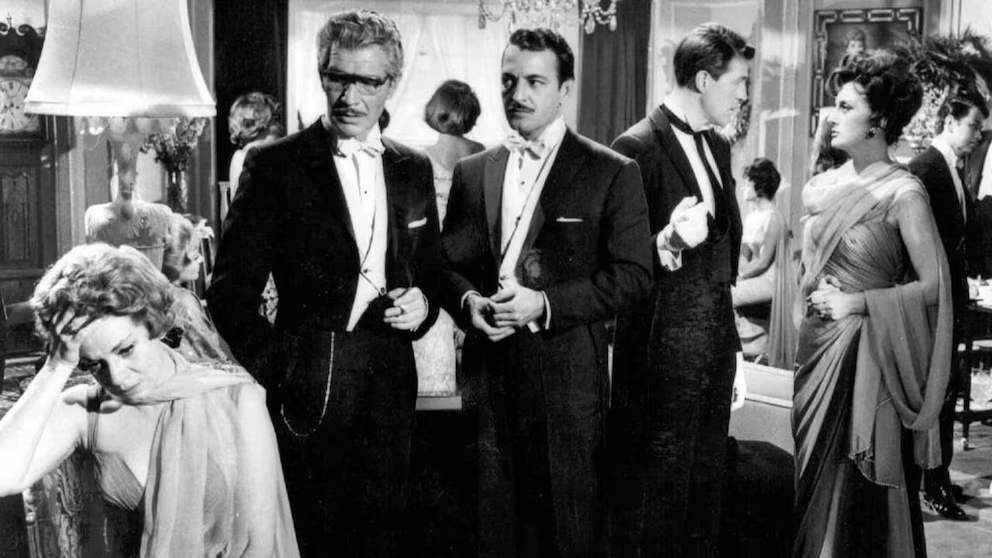
The New York Film Festival is marking six decades since its creation with a program that reflects the same principle that shaped its beginning in 1963: cinema should be broader, stranger and more ambitious than what the commercial mainstream usually provides. Its first edition opened with Luis Buñuel’s The Exterminating Angel before a sold out audience of around 2,300 people at Lincoln Center. At a time when foreign films could take years to reach American theaters, the festival offered New Yorkers access to work they could scarcely see elsewhere. Sixty years later, that curatorial function remains central.
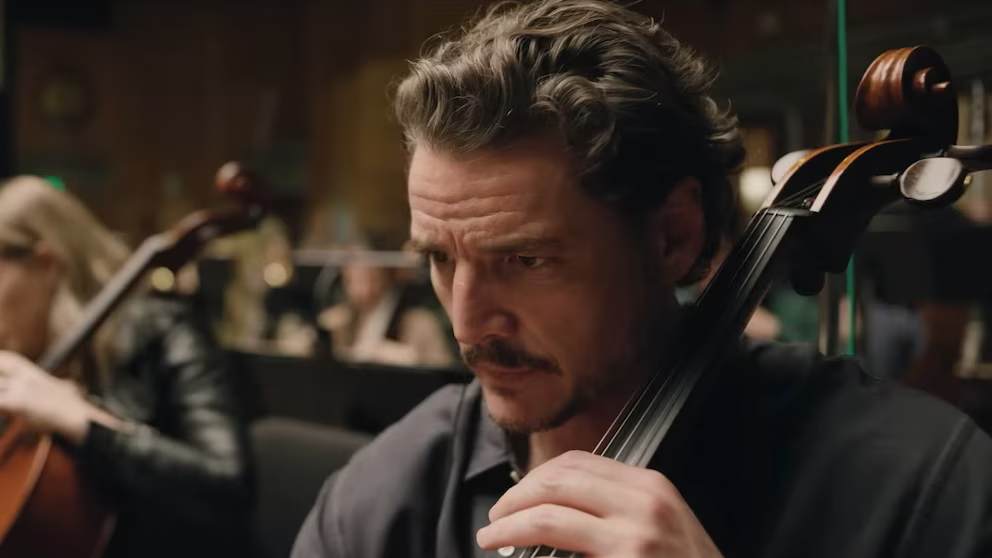
The 2026 edition includes 74 feature films and numerous shorts, drawing from Cannes and other major festivals while also presenting world premieres from filmmakers including Paul Thomas Anderson, Ava DuVernay, Tony Gilroy and Luca Guadagnino. The lineup ranges from political documentaries to prestige fiction and even a new Godzilla film. That breadth reflects a deliberate resistance to the idea that serious cinema must occupy one aesthetic or ideological category.
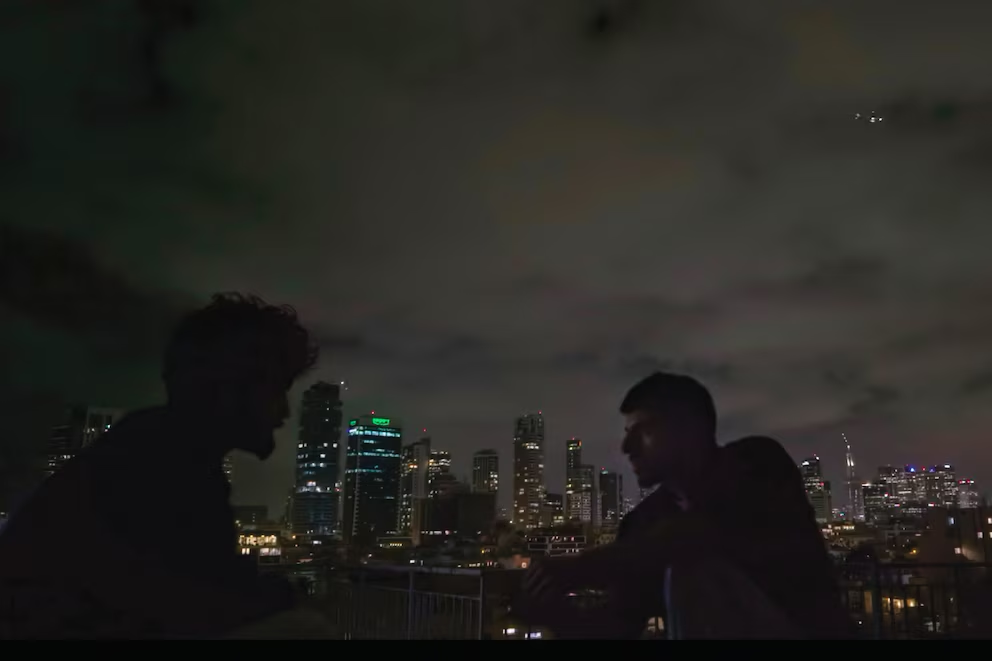
Several titles also place the festival directly inside contemporary political and technological debates. DuVernay’s 14th examines birthright citizenship in the United States, while NAZA explores Israeli military operations in Gaza through testimonies from Israeli intelligence officers and soldiers. Other documentaries revisit the Harlem Renaissance, Elizabeth Holmes and the mythology surrounding Silicon Valley. Fiction enters that same territory through Guadagnino’s Artificial, which dramatizes the creation of OpenAI and the conflicts surrounding Sam Altman, Ilya Sutskever and Elon Musk.
The festival’s cultural significance also rests on what it resists. Major studios have become increasingly selective about presenting films at festivals, while streaming platforms have normalized enormous volumes of content optimized for constant consumption. Against that background, the New York Film Festival continues to operate through selection rather than abundance. Artistic director Dennis Lim and his programming team are effectively arguing that curation itself still has value.
That model appears to be reaching younger audiences as well. Last year, 59 percent of attendees were between 21 and 44 years old, challenging the idea that serious film culture belongs primarily to older cinephiles. The festival’s longevity therefore cannot be explained by nostalgia alone.
After sixty years, the most uncomfortable question it raises may be directed at Hollywood itself. If audiences still respond to challenging, international and formally ambitious cinema, perhaps the problem is not that people have stopped caring about movies. Perhaps the industry has too often stopped trusting them.
La narrativa también es poder. / Narrative is power too.