

 Phoenix 24
Covert recording can produce genuine emotional harm, although its long-term psychological effects remain insufficiently measured.
SYDNEY, AUSTRALIA
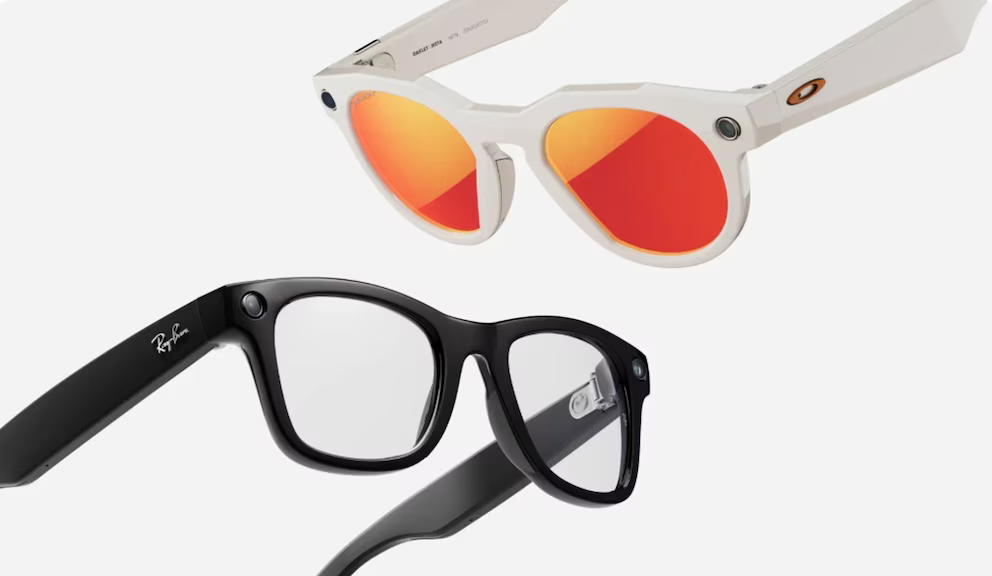
Camera-equipped smart glasses are intensifying concerns about people being recorded and published online without their knowledge. Women have reported discovering videos of ordinary interactions with strangers after the footage was uploaded to social platforms. Because the devices resemble conventional eyewear, potential subjects may not realize that a camera and microphone are operating only centimetres away.
Emerging research from the University of Sydney examined 350 publicly available Instagram videos associated with pickup-artist communities. Within a subset of covert point-of-view recordings, researchers classified approximately 60% of the interactions as potential harassment. Around 43% of the analyzed videos exposed women to abusive online comments, sometimes accompanied by information that could help viewers identify them. These findings document patterns within selected social-media content, not the behaviour of every smart-glasses user.
Psychological consequences can include anxiety, humiliation, loss of control and persistent fear that future interactions are also being recorded. Spanish gender-violence advocate Encarni Iglesias Pereira described the potential damage as “immense,” citing cases in which victims learned that footage of their movements and relationships was circulating among others. That assessment reflects professional experience and victim testimony, however, rather than a completed longitudinal study measuring the prevalence or severity of specific mental-health outcomes.
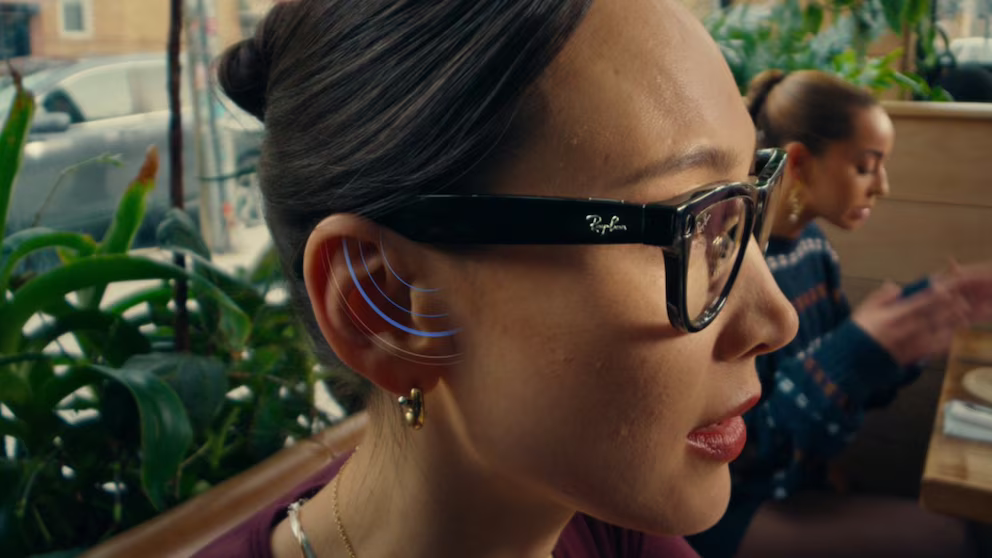
Smart glasses differ from smartphones because recording requires less visible physical movement. Meta’s glasses include an external capture light, and the company has strengthened protections intended to disable recording when that indicator is obstructed. Critics argue that the signal can still be overlooked and does not constitute meaningful consent. The ability to upload footage rapidly also creates a second harm: a private encounter can become permanent, searchable and exposed to mass commentary.

The technology also offers legitimate benefits, including visual assistance for people with disabilities, hands-free documentation and remote technical support. The policy challenge is therefore not simply whether to prohibit the devices, but how to protect bystanders through unmistakable recording signals, consent requirements, automatic face blurring and stronger platform enforcement. Responsibility cannot rest exclusively on individuals remaining constantly alert to every pair of glasses around them.
Hechos que no se doblan. / Facts that do not bend.