

 Phoenix 24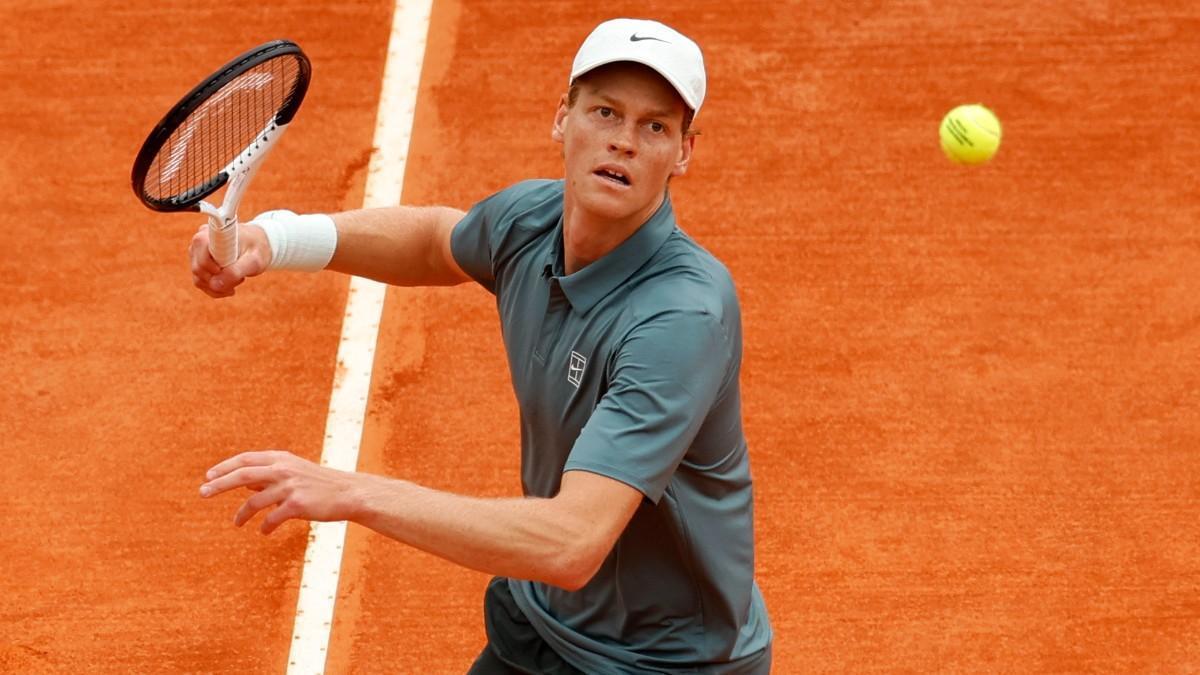
Momentum now meets expectation.
Madrid, April 2026. Jannik Sinner has identified the Madrid Masters as his next major challenge, entering the clay stretch of the season with momentum, status, and a different level of pressure. The Italian is no longer chasing relevance within the ATP elite. He now competes as a central figure in the men’s tour, with every appearance examined through the lens of consolidation, not emergence. That shift changes the meaning of tournaments like Madrid, where performance is measured not only by results, but by authority.
What makes this stage significant is the way expectation has caught up with form. Sinner arrives as one of the most consistent players on the circuit, carrying the burden that follows any player who begins to look less like a contender and more like a standard. Madrid, with its particular clay conditions and tactical demands, becomes an important checkpoint in that process. It tests not just technique, but adaptability, rhythm, and the ability to sustain command in a setting that often rewards aggressive timing and mental clarity.
The tournament also matters because clay still functions as a proving ground in the hierarchy of elite tennis. Hard-court excellence can establish status, but success on clay often deepens it by exposing weaknesses in movement, patience, and match construction. For Sinner, this makes Madrid more than another stop on the calendar. It becomes a space where his broader evolution can be judged, especially as the tour moves into a segment of the season that tends to separate fluent champions from surface-specific specialists.
There is also a structural reading behind this moment. Men’s tennis continues to navigate the long aftermath of the era defined by its greatest dominant figures, and every new leader is scrutinized for signs of permanence. Sinner is now operating inside that kind of assessment. His challenge is not only to win, but to demonstrate that his current position can carry across surfaces, contexts, and mounting expectation. Madrid offers exactly that kind of test because it rewards players who can control tempo without losing composure.
The psychological dimension is equally important. Once a player becomes the reference point, the pressure changes shape. Opponents play with greater intensity, crowds respond differently, and every setback is read as a sign of vulnerability rather than normal fluctuation. For Sinner, managing that environment is part of the challenge he appears willing to embrace. The issue is no longer whether he belongs at the top, but whether he can behave like someone built to remain there.
What happens in Madrid will not define his entire season, but it will help clarify the direction of his campaign. A strong run would reinforce the image of continuity and control that now surrounds him. A stumble would not erase his rise, though it would reopen questions about how durable his advantage really is under clay-court pressure. Either way, the event matters because Sinner is no longer being evaluated as a promise. He is being evaluated as a force.
Facts that do not bend.
Hechos que no se doblan.