

 Phoenix 24
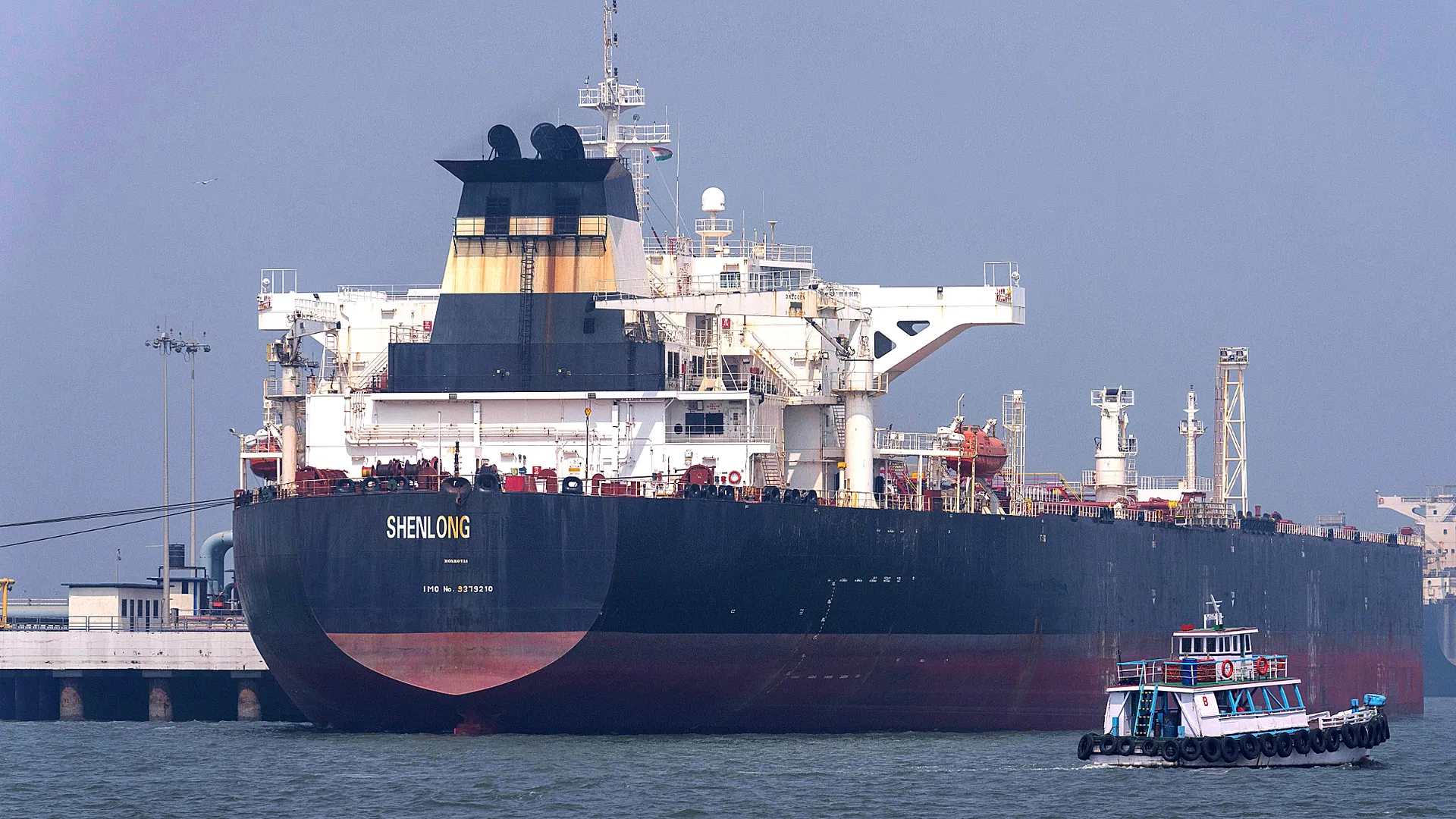
Insurance is rising as maritime control turns political.
Dubai, March 2026.
Commercial vessels are increasingly seeking informal Iranian clearance before attempting to pass through the Strait of Hormuz, a sign of how sharply the security environment in one of the world’s most critical maritime chokepoints has deteriorated. The shift reflects more than routine caution. It suggests that shipping companies and captains now see political signaling and survival calculations as inseparable from navigation in the Gulf.
The pressure is moving on two fronts at once. First, Iran has turned the strait into an instrument of coercive messaging, making clear that maritime passage can no longer be treated as politically neutral. Second, war risk insurance costs have risen sharply, making each transit not only more dangerous, but more expensive. In practical terms, the strait is still functioning, but under a climate in which passage depends less on normal commercial assumptions and more on perceived tolerance from Tehran.
That matters because Hormuz is not just another shipping lane. It is one of the central arteries of the global energy system. When vessels begin adjusting routes, procedures or communications around the political will of Iran, the consequences move far beyond the Gulf. Oil and gas pricing, freight costs, delivery schedules and broader industrial confidence all begin to absorb the shock. What appears at first to be a maritime precaution quickly becomes a global economic signal.
The broader pattern is strategic. The strait is becoming a zone where commercial traffic, military deterrence and geopolitical leverage overlap in increasingly visible ways. This is no longer simply a story about naval risk. It is about the transformation of a trade corridor into a pressure point where logistics and power politics are now fused.
What emerges is a harder truth about the current moment. The Strait of Hormuz is not formally closed, but it is no longer operating under the assumptions of an open and politically neutral corridor. It is becoming a negotiated passage under threat, where risk pricing and strategic intimidation now move alongside tankers and cargo ships.
Phoenix24: clarity in the grey zone. / Phoenix24: claridad en la zona gris.