

 Phoenix 24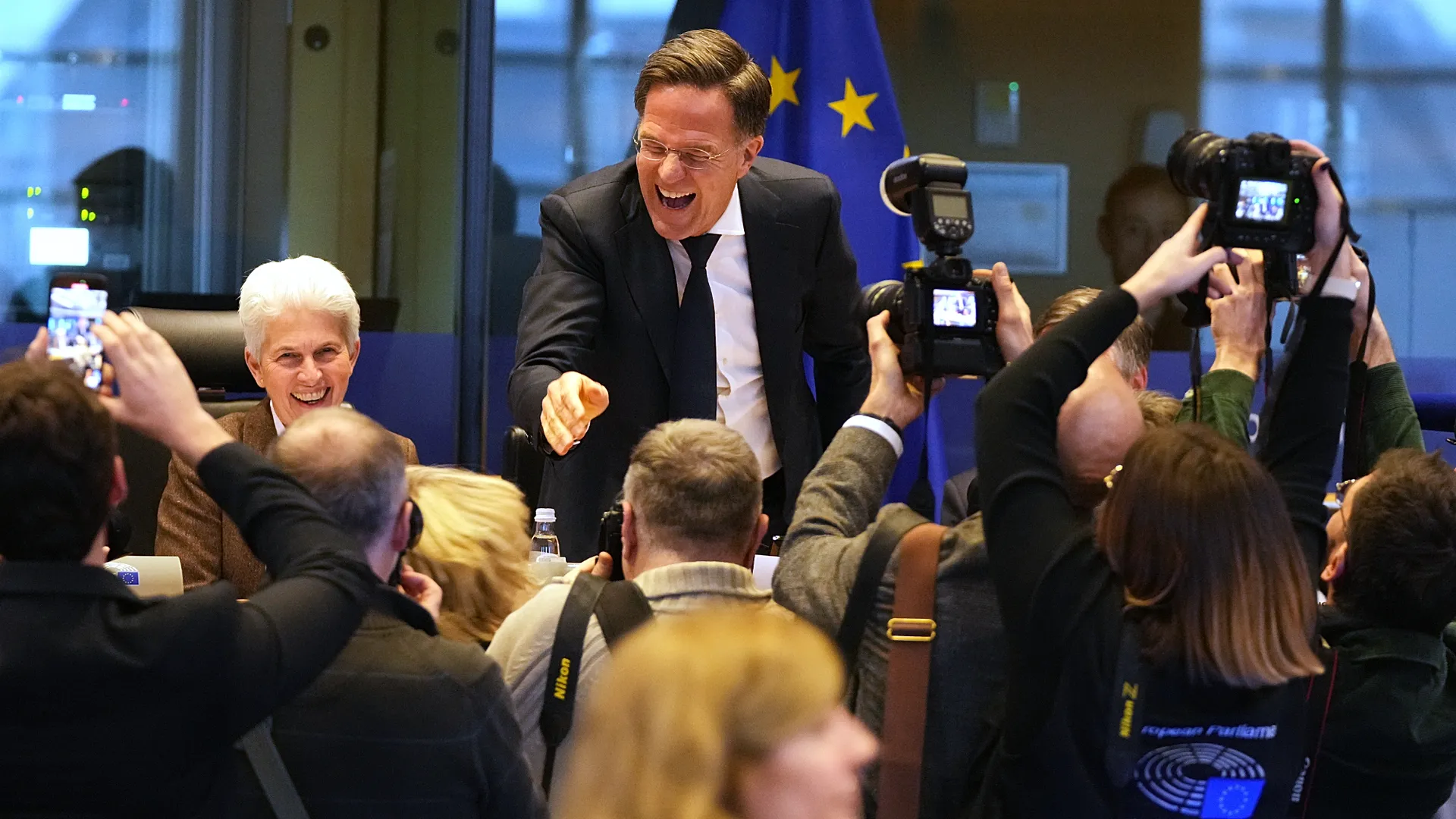
As Arctic interests collide, diplomacy returns to the center of the debate.
Brussels, January 2026. Mark Rutte confirmed that tripartite negotiations involving Denmark, Greenland, and the United States are set to take place, signaling a shift toward formal dialogue amid growing geopolitical attention on the Arctic. The announcement follows weeks of heightened speculation regarding Greenland’s strategic relevance and its role within broader transatlantic security calculations, particularly as global powers increase their presence and interest in polar regions.
Rutte emphasized that the talks are not intended to revisit questions of sovereignty or territorial status, but rather to establish a structured framework for cooperation that reflects the evolving security, economic, and environmental realities of the Arctic. Greenland remains an autonomous territory within the Kingdom of Denmark, and both Copenhagen and Nuuk have repeatedly reaffirmed that its political status is not subject to external negotiation. The diplomatic initiative instead seeks to manage shared interests in a region that is becoming more accessible and more contested due to climate change and technological advances.
The negotiations come in the aftermath of controversial remarks made by U.S. leadership in recent years regarding Greenland’s strategic value. While previous rhetoric fueled concerns about unilateral ambitions, current signals point toward a recalibration in tone, favoring multilateral engagement and institutional dialogue. According to Rutte, this approach aligns with NATO’s broader objective of maintaining stability among allies while addressing emerging security challenges without escalating tensions.
Greenland occupies a unique position in the Arctic landscape. Its geographic location makes it critical for monitoring transatlantic routes, missile defense systems, and early warning infrastructure. At the same time, the island is increasingly viewed through an economic lens, as retreating ice opens access to rare earth minerals and potential shipping corridors. These factors have drawn the attention of global actors, raising concerns among European governments and Greenlandic authorities about external pressure and strategic overreach.
Within this context, the tripartite talks aim to balance security cooperation with respect for local governance and autonomy. Greenland’s leadership has insisted that any discussion involving the island must include Greenlandic representatives as equal participants rather than passive stakeholders. This insistence reflects a broader trend in Arctic governance, where indigenous and local voices demand greater involvement in decisions that directly affect their territory, environment, and economic future.
Rutte framed the negotiations as an opportunity to reinforce coordination among allies at a time when Arctic stability can no longer be taken for granted. Increased military activity by Russia and growing scientific and economic engagement by China have altered the strategic calculus in the region. For NATO and its partners, ensuring freedom of navigation, safeguarding infrastructure, and preventing miscalculation have become central priorities. The tripartite format, according to Rutte, allows these issues to be addressed in a controlled diplomatic setting rather than through reactive measures.
Economic considerations are also expected to feature prominently in the discussions. Greenland’s potential as a source of critical minerals has attracted interest from both public and private actors, while Denmark seeks to ensure that development aligns with environmental standards and political stability. The United States, for its part, views secure access to Arctic supply chains as increasingly important in the context of global competition and technological dependency. The negotiations are therefore likely to explore mechanisms for cooperation that reduce friction while avoiding perceptions of exploitation or dominance.
Observers note that the talks may set an important precedent for how autonomous territories are included in high level international negotiations. Greenland’s participation alongside Denmark and the United States reflects a recognition that Arctic governance cannot rely solely on traditional state to state diplomacy. It also underscores the importance of transparency and mutual reassurance at a time when strategic ambiguity can easily escalate into diplomatic conflict.
European officials have broadly welcomed the announcement, interpreting it as a sign that Arctic issues are being reabsorbed into multilateral frameworks rather than handled through unilateral signaling. Analysts caution, however, that the success of the talks will depend on their ability to deliver concrete assurances regarding sovereignty, environmental protection, and long term stability. Without such assurances, skepticism within Greenlandic society and among European partners could persist.
The upcoming negotiations will be closely monitored as an indicator of how transatlantic actors intend to manage the Arctic’s transformation from a peripheral region into a central arena of global strategy. Whether the talks lead to lasting frameworks or remain symbolic gestures will shape not only regional dynamics but also the credibility of multilateral governance in an era of intensifying great power competition.
Behind every diplomatic initiative in the Arctic, there is a deeper structure of power, geography, and restraint that determines whether cooperation prevails over confrontation.