

 Phoenix 24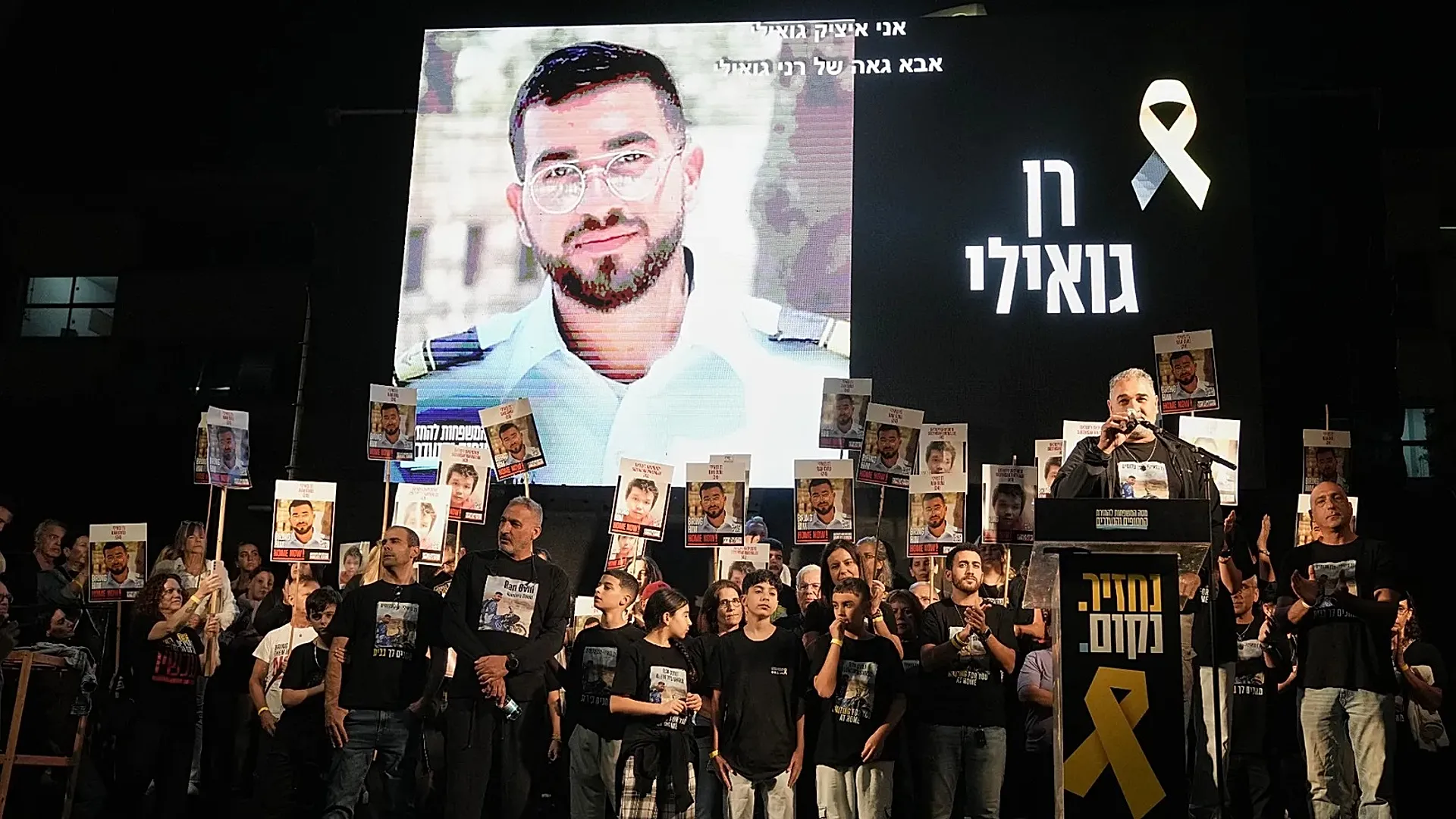
For the first time since the outbreak of war, no Israeli hostage remains unaccounted for inside Gaza, a moment that closes one chapter of anguish and begins another complex phase in regional dynamics.
Jerusalem, January 26, 2026. The Israeli Defense Forces confirmed that they have located and recovered the remains of the last Israeli hostage taken during the Hamas assault on October 7, 2023, a development that marks the end of a long and painful period of uncertainty over captives held in Gaza. The remains belong to Ran Gvili, who was captured during the initial attack and had been missing for nearly three years, even after a ceasefire agreement led to the release of most living hostages. Military authorities stated that his remains were identified in a cemetery in northern Gaza City and will be returned to Israel for burial, a process that is expected to conclude in the coming days with official mourning rituals and national ceremonies.
The recovery of Gvili’s body carries profound emotional and symbolic weight in Israel, where the fate of hostages has been central to national discourse since the attack. Families of the hostages lived for months in limbo, holding onto hope that captives would be freed through negotiation, rescue operations, or international mediation. The announcement has been framed by government officials as a fulfillment of a solemn national promise to bring every Israeli home, living or deceased, and as an affirmation of the military’s persistence in searching for answers long after headlines receded from the front pages. For many citizens the recovery of the last hostage’s remains represents both closure and a reminder of the heavy toll exacted by the conflict.
The long saga of captives in Gaza has shaped public sentiment, domestic politics, and diplomatic efforts involving multiple actors regionally and internationally. The question of hostages was a key element in negotiations that led to temporary truces and humanitarian pauses, with mediators citing the hostages’ status as leverage to achieve releases and aid deliveries. With the final hostage accounted for, attention has shifted toward the next phases of the truce framework, which include efforts to stabilize the ceasefire, increase humanitarian assistance into Gaza and address broader security arrangements that could prevent renewed hostilities. However these discussions remain fraught with political complexity, as underlying issues that contributed to the outbreak of violence persist.
Israeli leadership highlighted the emotional resonance of the moment. The prime minister described the recovery as an extraordinary achievement for the armed forces and the nation, emphasizing that the mission to locate and return all hostages reflects a deep national resolve. Public reactions varied from relief to sorrow as families and communities reflected on the cost of war and the absence of loved ones. For relatives of Gvili the news brought a mix of grief and gratitude, as the certainty of knowing what happened contrasts with years of uncertainty and fear. Ceremonies planned in his honor are expected to draw public figures, military representatives and ordinary citizens who have followed the plight of hostages since 2023.
At the same time, international mediators engaged in the ceasefire process have described the recovery as an important confidence building step. They emphasize that while the accounting of all hostages removes a major obstacle to further negotiations, it does not resolve the deeper geopolitical and humanitarian challenges that remain. The ceasefire framework now contemplates discussions on disarmament of militant factions, security guarantees to prevent renewed fighting, and frameworks for reconstruction that involve local governance and international assistance. These elements reflect the intricate balance required to translate a cessation of hostilities into sustainable stability, a challenge that diplomats and local leaders continue to navigate.
Regional and global actors have underscored the importance of moving cautiously in the aftermath of such a charged episode. While the return of the last hostage remains a milestone, the broader humanitarian situation in Gaza continues to be precarious, with significant needs in health care, shelter, food security and infrastructure. Humanitarian officials stress that meaningful progress requires coordinated efforts that balance short-term relief with long-term development goals, adherence to international norms on civilian protection, and respect for local autonomy in the governance of reconstruction efforts. The interplay between immediate post-conflict needs and the political landscape presents a persistent challenge for those advocating for a durable peace.
For Israel the conclusion of the hostage chapter is likely to shape national memory and collective discourse for years to come. The narrative of bringing every hostage home has been woven into the broader story of resilience and loss, and the rituals accompanying the return of remains are expected to reinforce this collective narrative. At the same time, questions about how to prevent similar conflicts in the future and how to engage in meaningful diplomacy with all relevant parties remain at the forefront of security and political agendas. Observers note that while the chapter of unaccounted hostages has closed, the conditions that led to the conflict and its enduring consequences continue to demand attention.
Behind every recovered life and every returned body there is a structure of resolve, memory and responsibility that shapes how societies confront loss and pursue peace.