

 Phoenix 24
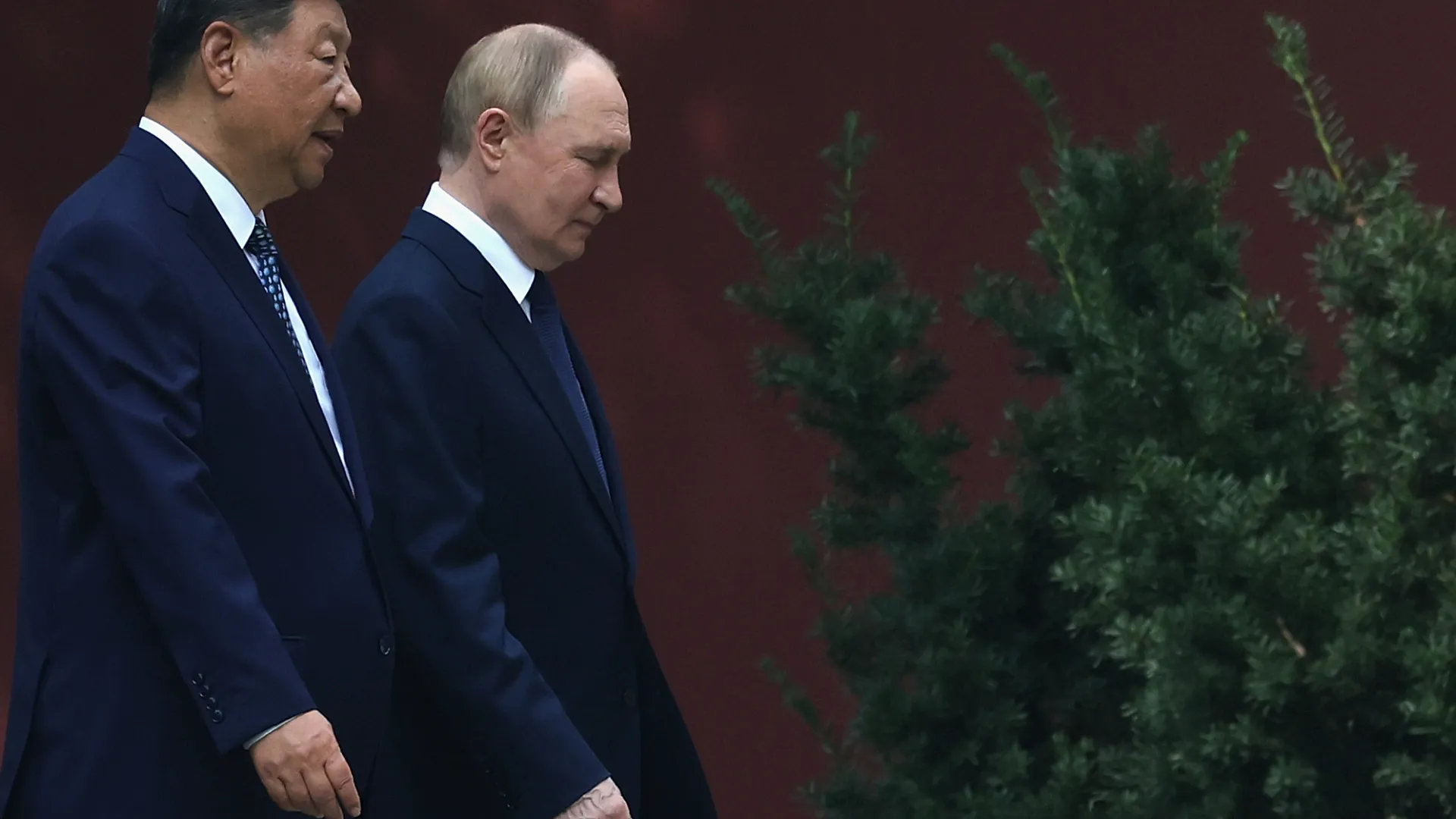
A strategic embrace between East and East that reshapes post-European energy geopolitics.
Beijing, September 2025
In a high-stakes meeting in Beijing, Russia and China sealed a landmark energy agreement that strengthens both nations’ ambitions to reduce dependence on Western markets. The deal expands current gas deliveries and sets in motion the construction of a new massive pipeline, signaling both opportunity and risk.
Under the agreement, Russia will increase annual shipments to China through the existing Power of Siberia pipeline, raising volumes from 38 to 44 billion cubic meters. At the same time, a memorandum of understanding commits both parties to build Power of Siberia 2, a colossal infrastructure project that will cross Mongolia and carry 50 billion cubic meters of gas per year from Russia’s Yamal fields.
For Moscow, the deal represents a critical recalibration. The loss of European markets following the invasion of Ukraine and subsequent sanctions forced Russia to pivot eastward. Although Chinese demand has been growing steadily, the magnitude of this project surpasses all previous undertakings and marks Russia’s most ambitious gas initiative in decades.
Yet, while the announcement was celebrated, the balance of power in the negotiations favors Beijing. Pricing mechanisms, construction timelines, and financing terms remain unresolved. China’s strategy appears calculated to maximize flexibility, ensuring access to energy at competitive prices while keeping Moscow dependent on its market.
The construction of Power of Siberia 2 is projected to be completed in the early 2030s. Its planned capacity rivals the scale of Russia’s former exports to Germany before the European market collapsed for Gazprom. In strategic terms, this pipeline would realign global energy flows and further cement Eurasia as a central axis of fossil fuel politics. Still, the absence of finalized terms reflects the caution with which both capitals approach such a long-term commitment.
Energy analysts highlight the dual nature of this agreement. On one hand, it secures Russia an outlet for its gas industry at a moment of contraction. On the other, it entrenches a growing dependency on China just as Beijing accelerates its own investment in renewables and alternative energy. In effect, Russia ties its future to a market that may, within a generation, demand less fossil fuel.
For China, the advantages are considerable. Access to stable and predictable supplies strengthens its energy security, especially as it faces uncertainties in maritime routes and geopolitical frictions in the Indo-Pacific. The timing is equally significant: by diversifying overland supply, Beijing reduces vulnerability to potential blockades or disruptions in sea lanes. At the same time, it consolidates bargaining power vis-à-vis Moscow, which increasingly has fewer options.
The geopolitical dimension is unavoidable. This new axis of energy cooperation reflects a broader strategic alignment between Russia and China, framed as a partnership without limits. It is designed not only to secure resources but also to challenge Western dominance over global markets. Yet such interdependence comes with risks, as the asymmetry in bargaining power could create future friction.
European observers interpret the deal as confirmation that Russia’s disengagement from its western customers is irreversible. It underscores the long-term costs of the geopolitical rupture with Brussels and the erosion of Moscow’s role in the European energy system. Meanwhile, in Asia, the move is seen as a natural consolidation of Chinese leverage, ensuring privileged access to Siberian resources at conditions shaped on Beijing’s terms.
For global markets, the implications extend beyond the bilateral relationship. By diverting vast flows of natural gas eastward, the agreement could reshape pricing dynamics, influence LNG competition, and recalibrate strategic investments in infrastructure worldwide. The bet reflects not just energy supply and demand but a vision of Eurasia as the central theater of 21st-century resource politics.
Ultimately, the new pipeline is more than steel and gas. It embodies a moment of transition in global energy, where Russia gambles its recovery on Chinese demand, and China secures long-term leverage over a partner turned supplier. In that gamble lies both stability and fragility, a reflection of how energy has become inseparable from power, diplomacy, and survival in the current age.
Global narrative resilience.
Resistencia narrativa global.