

 Phoenix 24
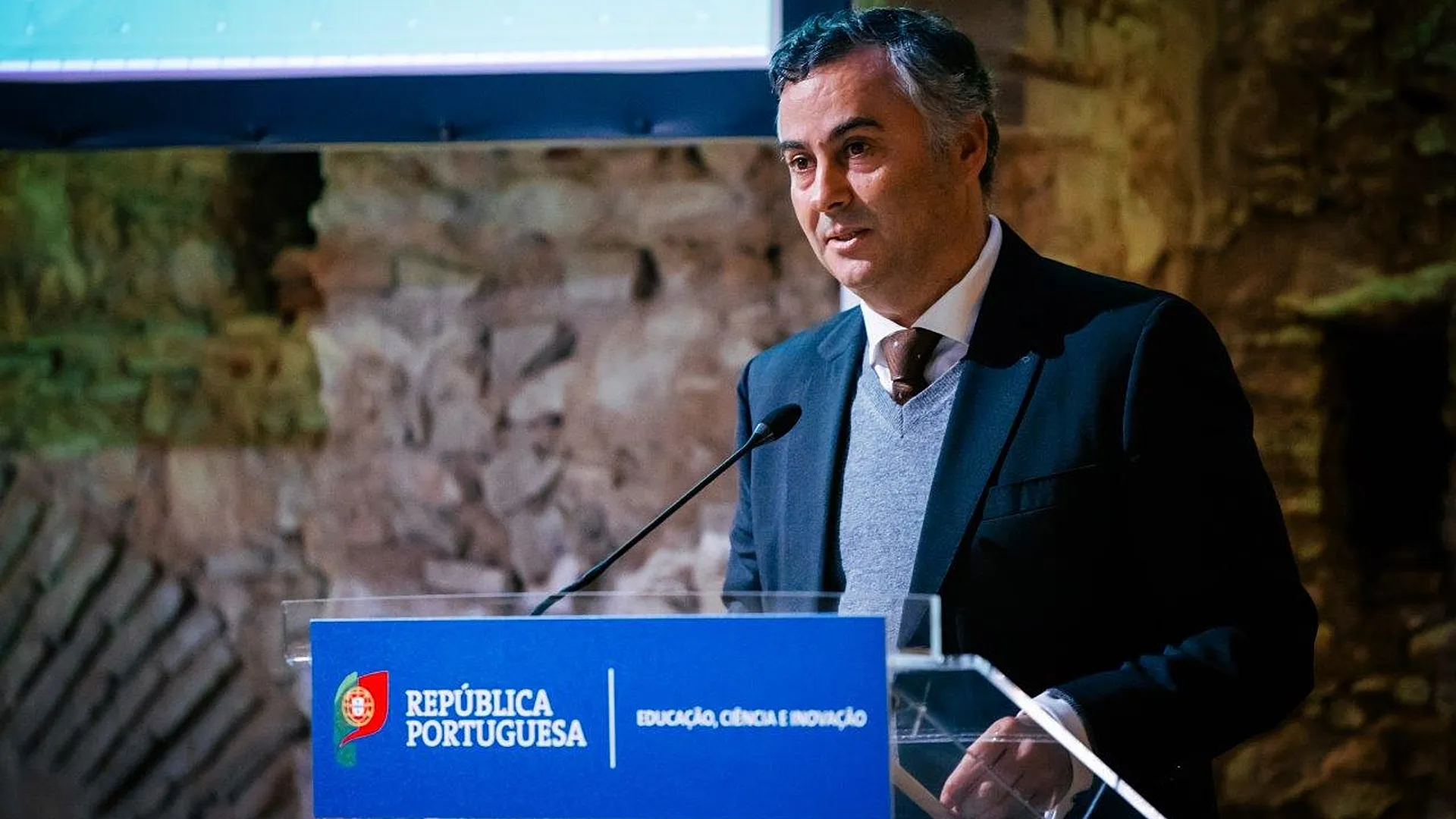
A debate over educational equity has intensified after comments by a key government figure drew public and political scrutiny.
Lisbon, December 2025.
Portugal’s minister of education, Fernando Alexandre, has ignited a heated national discussion after making remarks about students from low-income backgrounds during a televised interview with a major national broadcaster. Alexandre’s comments, intended to address challenges in student performance and resource allocation, were interpreted by many educators, parents and opposition figures as dismissive of socioeconomic barriers in the classroom, prompting a broader debate on equity, opportunity and the role of government in shaping educational outcomes.
In his remarks, the minister outlined persistent disparities in academic achievement between different demographic groups, noting that various factors — including family income, access to extracurricular support and community resources — influence student performance over time. While officials framed the comments as part of a call for targeted policy responses, critics argued that the language used failed to sufficiently acknowledge structural inequalities and instead risked stigmatizing students facing economic hardship.
Teachers’ unions and advocacy organisations reacted quickly, expressing concern that the minister’s phrasing could deepen existing frustrations among educators working in underserved areas. Representatives from several regional school boards echoed those sentiments, urging the government to prioritise investments in infrastructure, teacher training and community engagement programs aimed at narrowing achievement gaps rather than focusing public attention on individual student circumstances.
The controversy has also drawn responses from opposition lawmakers, who seized the opportunity to question broader education policy under the current administration. Members of parliament from multiple parties issued statements calling for clarity on the government’s strategy to support low-income students and to ensure that public discourse around education emphasises inclusion rather than deficit narratives. For some critics, Alexandre’s remarks highlighted what they see as a disconnect between policy rhetoric and the lived realities of students and families navigating economic constraints.
In response to the backlash, the minister’s office released an official statement emphasising its commitment to educational equity and clarifying that the intention behind the original comments was to draw attention to persistent gaps in achievement that require coordinated policy intervention. Government officials reiterated that addressing socioeconomic disparities remains a central objective of ongoing reform efforts, including expanded funding for schools in economically disadvantaged areas and initiatives to increase access to early childhood education.
Policy analysts following the debate note that educational inequality is a complex issue in Portugal, as in many other countries, with roots in historical, economic and social dimensions. They argue that effective solutions must balance targeted support with broader efforts to strengthen the quality and inclusiveness of the national education system. In this context, public discourse around equity and access is closely watched, as it can shape both policy priorities and public perceptions of responsibility for student success.
Community leaders and civil society groups have used the moment to underscore the importance of framing discussions about education in ways that empower students and families. Workshops, panels and local forums have been organised in several regions to foster dialogue among teachers, parents and policymakers about how best to support students from diverse backgrounds and to ensure that schools serve as engines of opportunity.
As the national conversation continues, attention remains focused on how government policy will respond to concerns about equity and inclusion. The controversy surrounding Alexandre’s remarks has made clear that discussions over educational outcomes are deeply intertwined with broader societal debates about economic opportunity, social mobility and the aspirations parents hold for their children.
La narrativa también es poder.
Narrative is power too.