

 Phoenix 24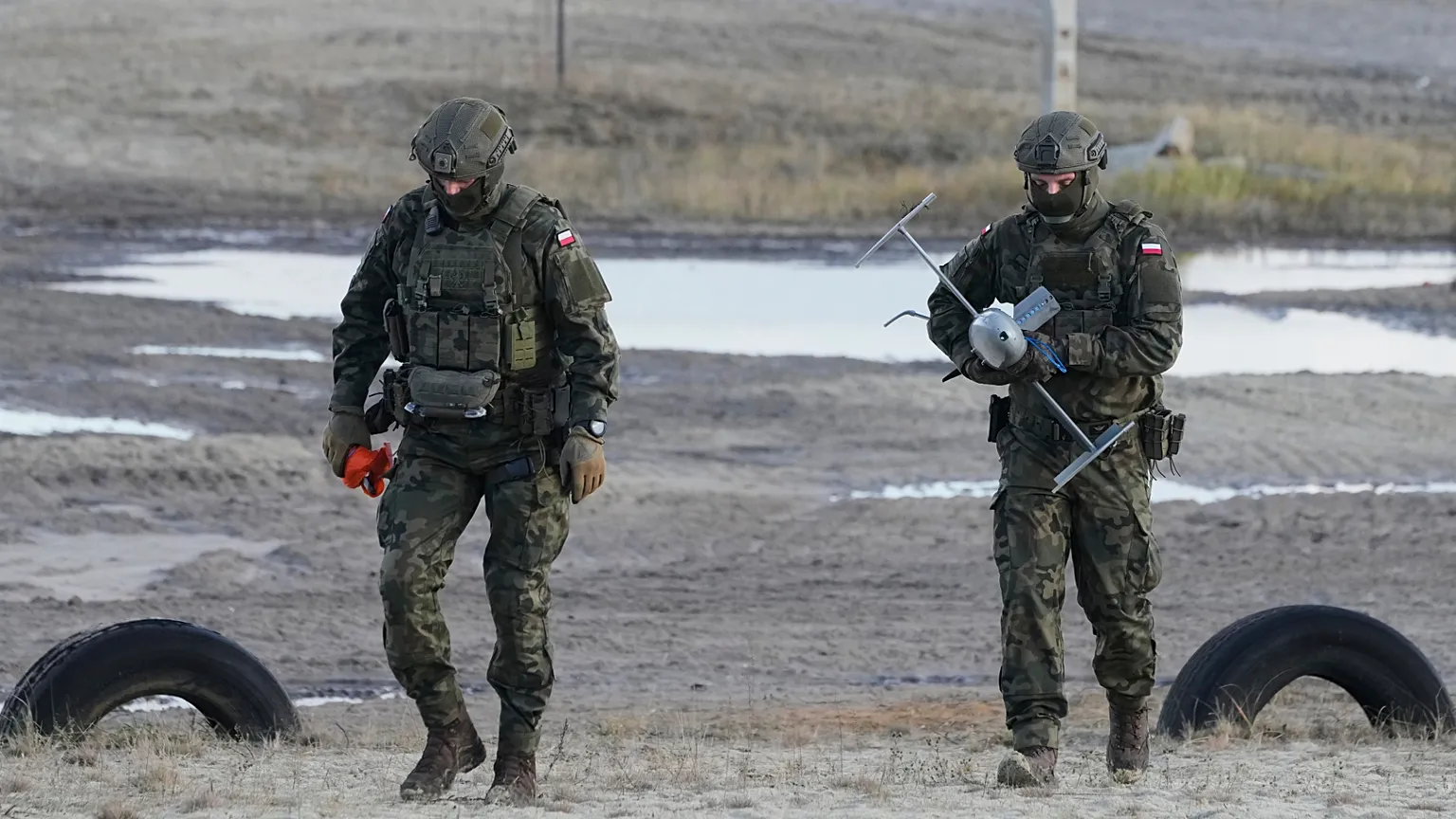
The night sky along NATO’s eastern flank lit up in a way that Europe hoped never to witness again, pushing a frontline state to take measures once reserved for wartime emergencies.
Warsaw, November 2025.
Poland temporarily closed two airports near its southeastern border after Russian forces launched a large scale drone assault against Ukraine, triggering heightened air defense activity and prompting a rapid escalation of operational readiness. Authorities confirmed that the airports in Rzeszów and Lublin suspended civilian traffic as military jets were deployed to secure national airspace, a decision coinciding with the detection of multiple unidentified aerial objects approaching from the direction of the Ukrainian conflict zone. The suspension, though brief, signaled a critical shift in Poland’s posture, reflecting the growing concern that the war next door may spill over in unpredictable ways and force NATO members to respond quickly to fast changing threats.
Across Europe, security analysts noted that Poland has become one of the most exposed states due to its geographic proximity and its role as a logistical artery for military and humanitarian support to Ukraine. Experts from regional defense institutes highlighted that the repeated wave of drones illustrates how modern conflict blurs borders, making it increasingly difficult for states to separate domestic infrastructure from external crises. They added that European capitals are monitoring the developments with increased attention, aware that a single miscalculated trajectory could turn an incident into a diplomatic confrontation with consequences for the entire alliance.
In the United States, specialists connected to strategic research centers pointed out that the Polish response reflects the operational logic of deterrence in the era of drone saturation. American analysts emphasized that Russia’s use of drone swarms aims to overwhelm Ukrainian defenses and create secondary pressure on bordering countries, forcing them to consume resources and remain in constant alert. Washington views Poland’s actions as a proportional measure designed to maintain control over its airspace while signaling readiness to defend NATO territory. According to these experts, the closure of civilian airports is not merely a precautionary step but a calibrated message that aligns with broader transatlantic defense planning.
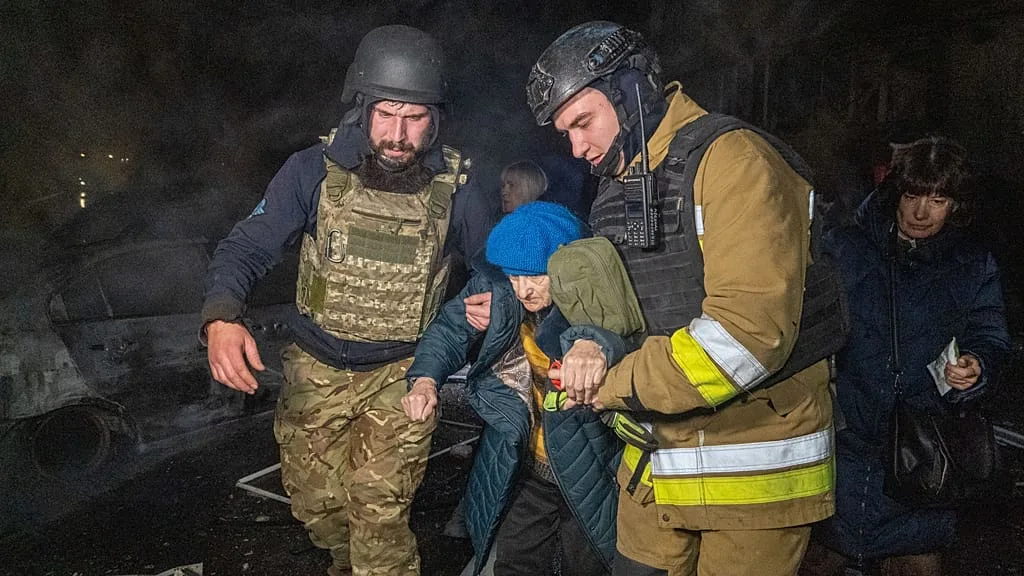
From Asia, institutions focused on military innovation observed that the drone attack reinforces a trend in hybrid conflicts: the use of large quantities of low cost aerial platforms to disrupt enemy defenses, condition neighboring states and complicate geopolitical calculations. Analysts in countries such as Japan and South Korea stressed that the incident demonstrates how frontline states are increasingly forced to integrate civilian infrastructure into their defensive strategies, a dynamic that resonates in regions facing drone proliferation and contested borders. They also noted that the European response will be studied internationally as nations seek models for managing airspace risks in high tension environments.
Inside Poland, the government emphasized that the temporary shutdown was necessary to prevent any misidentification of civilian aircraft during the air defense operation. Officials explained that the military detected multiple objects traveling along trajectories consistent with spillover movements from Ukraine, raising concerns about potential guidance failures or debris crossing into Polish territory. The rapid deployment of jets was described as a standard response under current threat conditions, though critics argued that the closures reflect the increasing strain placed on border regions since the conflict began.
The closures had immediate logistical consequences. Rzeszów, widely known as a key hub for support flights into Ukraine, was forced to redirect cargo operations and military transfers to alternative facilities. Aviation experts noted that even short interruptions can disrupt tightly coordinated supply chains, delaying deliveries of humanitarian aid, military equipment or emergency materials. For Poland, these operational challenges underscore its dual role as both a contributor to Ukraine’s defense and a state responsible for preserving stability within NATO’s internal borders.
European defense analysts observed that the drone barrage marks another stage in the conflict’s evolution, one that could require new mechanisms for coordination between civilian air authorities and military command structures. They highlighted that the Polish decision mirrors concerns spreading across Europe about the vulnerability of airports, power stations and transport nodes to drone incursions or misdirected projectiles. While the closures were precautionary, the underlying fear is that repeated spillover incidents could erode the sense of separation between the battlefield and the rear.
The broader geopolitical question remains unresolved. How much longer can NATO members on the eastern frontier operate in a posture of near constant alert without expanding their defensive architecture or revising their rules of engagement? The Polish shutdown suggests that Europe is already adapting to a new security rhythm defined by unpredictability, rapid response requirements and the reality that modern warfare does not respect borders. For Poland, the drone assault was not just a distant conflict observed from the sidelines but a direct reminder that proximity carries risks that demand immediate and decisive action.
Resistance is a global narrative.
La resistencia es una narrativa global.