

 Phoenix 24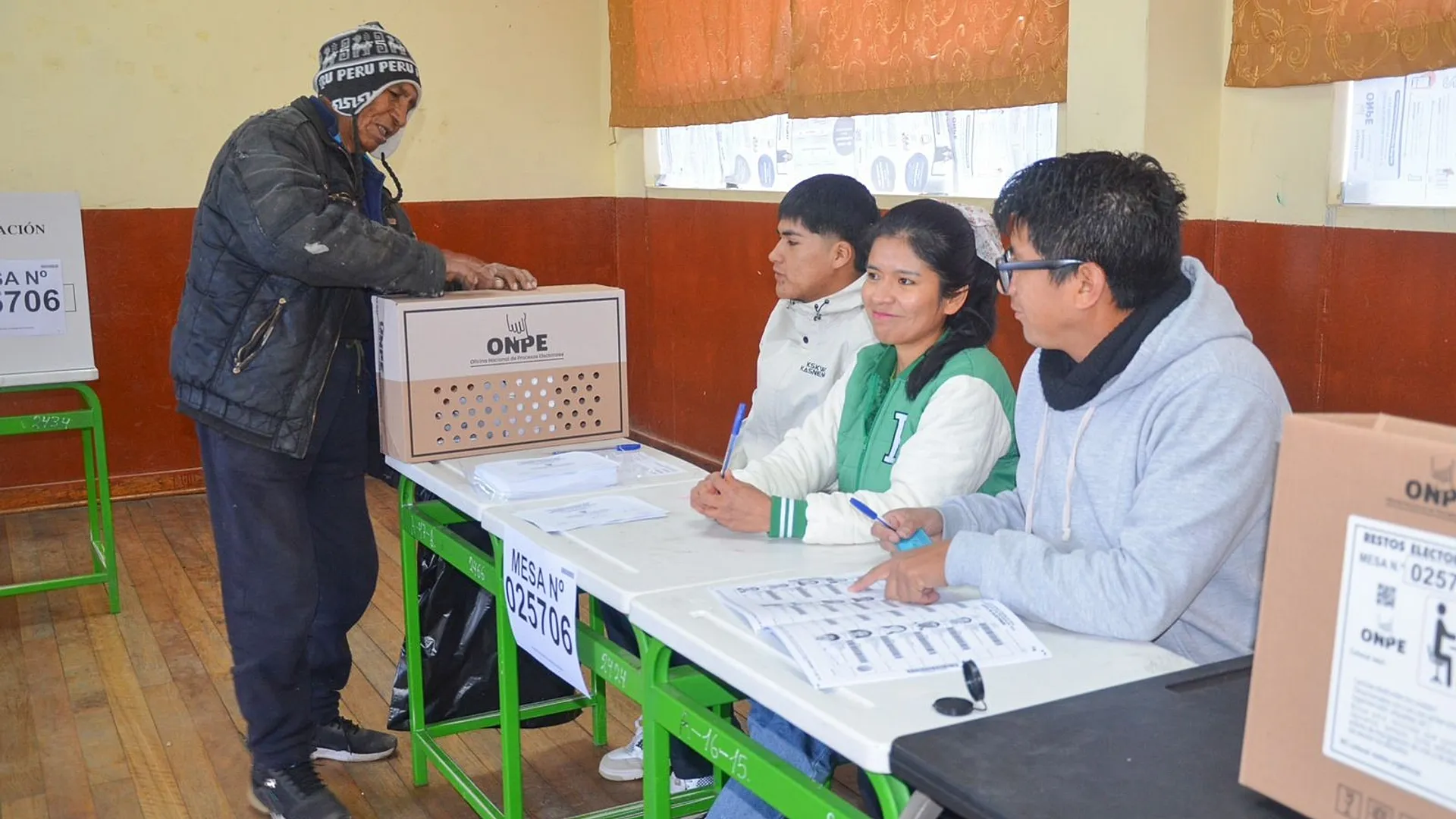
The election reflects a deeper crisis than politics alone.
Lima | June 2026. Peruvians headed to the polls to choose their ninth president in just ten years, a figure that captures the depth of the country’s institutional instability. The runoff election unfolded amid public frustration, corruption scandals, rising insecurity and widespread distrust of political elites.
The contest became a choice between sharply different political visions. One side promised order, economic continuity and a tougher response to crime, while the other called for structural reform, greater state intervention and a political reset. The narrow race reflected a nation divided by geography, class, security fears and exhaustion with its ruling class.
Behind the electoral battle lies a broader governance crisis. Peru has cycled through presidents, impeachments, resignations and interim administrations at a pace rarely seen in democratic systems. That constant turnover has weakened confidence in institutions and turned elections into exercises of survival rather than civic enthusiasm.
Crime emerged as one of the defining issues of the campaign. Extortion, organized criminal networks and insecurity in urban and rural areas transformed public safety into a national priority. For many voters, the question was not ideological purity, but who could restore control to a state perceived as increasingly fragile.
Regardless of who wins, Peru’s next president will inherit a fractured Congress, a skeptical electorate and a political system struggling to recover legitimacy. The real challenge will not be reaching power, but proving that the country can finally interrupt the cycle of instability that has defined the last decade.
The visible and the hidden, in context. / Lo visible y lo oculto, en contexto.