

 Phoenix 24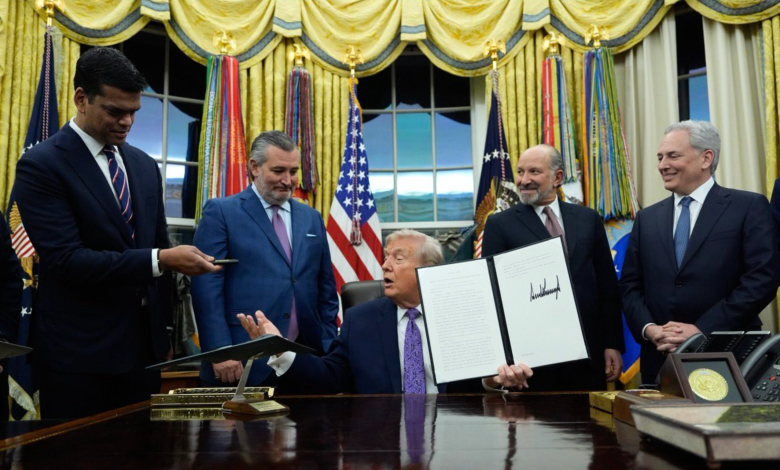
The battle over AI policy is entering a new phase.
Washington, D.C. | June 2026. Sriram Krishnan, one of President Trump’s principal advisers on artificial intelligence, will leave the White House at the end of June after helping shape the administration’s technology agenda. His departure comes as Washington confronts the growing security, economic and geopolitical weight of advanced AI systems.
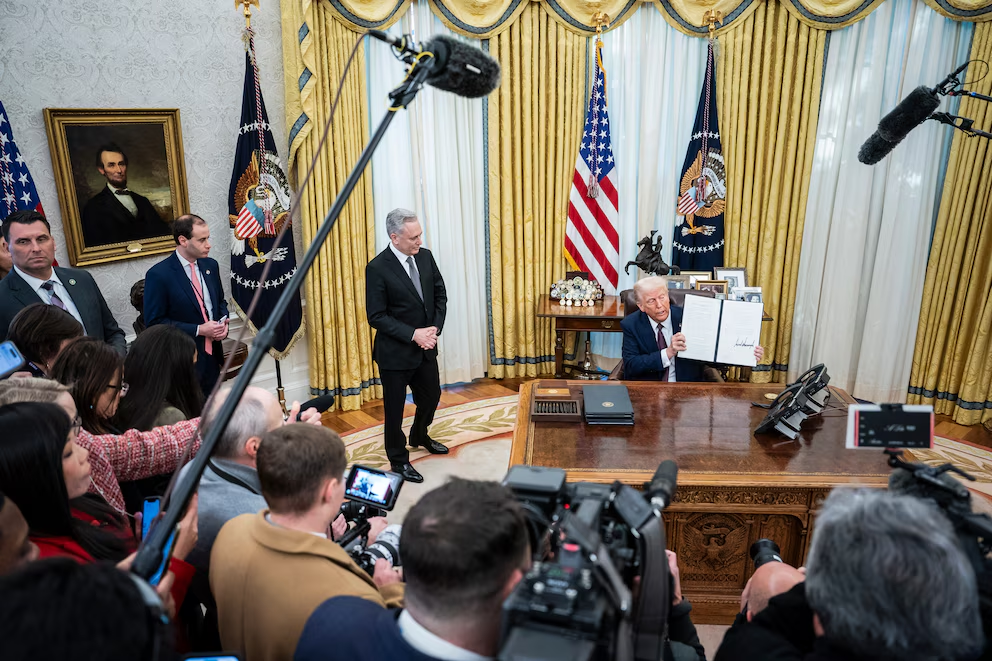
Krishnan had become a key voice for a pro-innovation strategy focused on accelerating AI development, expanding data center capacity and limiting regulatory friction. His influence reflected Silicon Valley’s push to keep the United States ahead in the global race for artificial intelligence, especially against China.
His exit also exposes a deeper policy tension. The administration must balance rapid deployment with concerns over cybersecurity, national security, energy demand and the concentration of technological power. AI is no longer simply a commercial sector; it is becoming strategic infrastructure.
The timing matters because the next phase of U.S. AI policy will likely define how far government oversight can go without slowing innovation. Whoever replaces Krishnan will inherit a battlefield shaped by corporate pressure, security warnings and global competition.
The departure is therefore more than a personnel change. It marks a transition from AI enthusiasm to AI governance, where the central question is no longer only who builds the most powerful systems, but who controls the rules around them.
Información que anticipa futuros. / Information that anticipates futures.