

 Phoenix 24
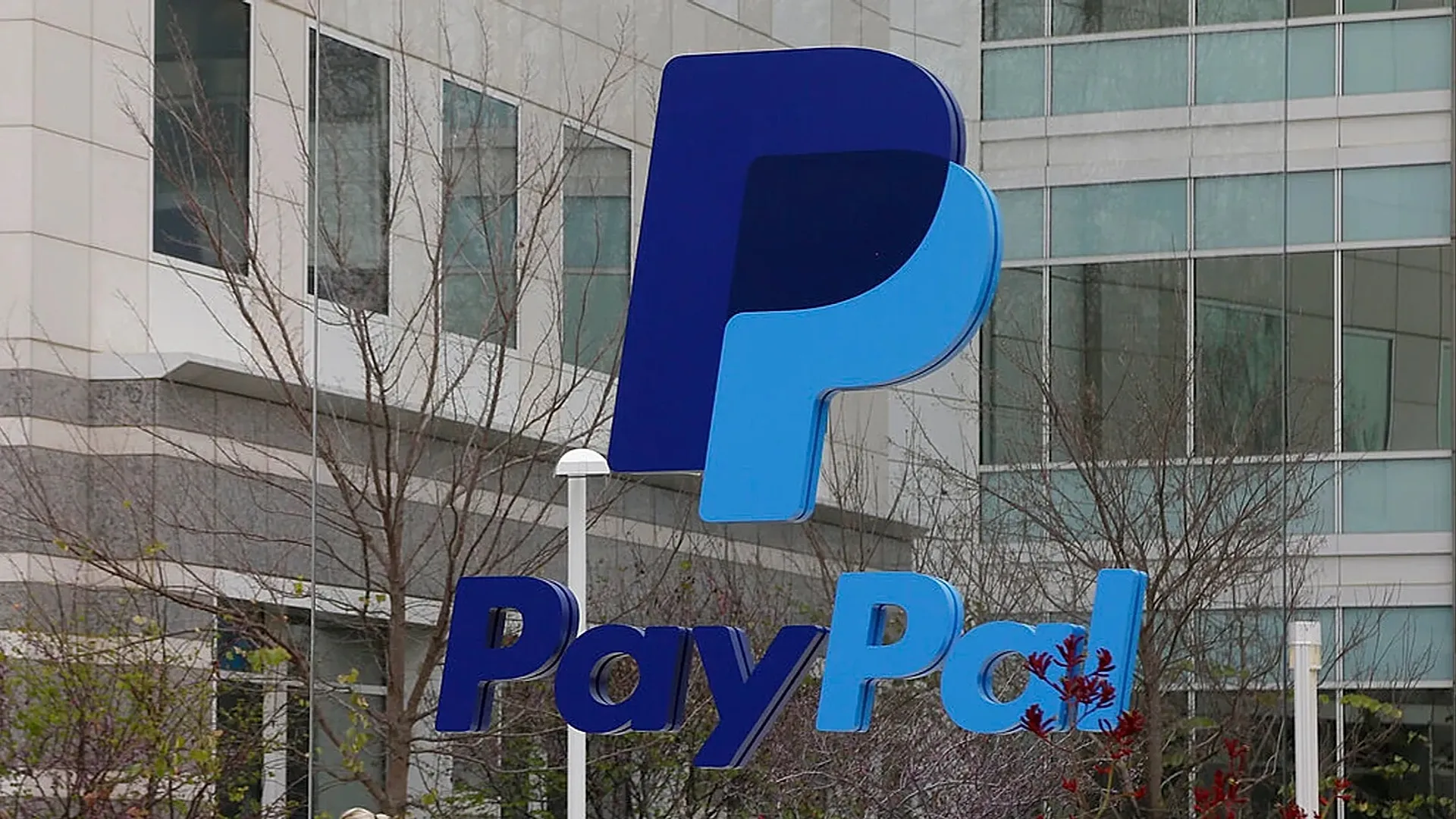
Fintech’s push into traditional banking is gaining momentum.
San Francisco, December 2025.
PayPal is taking concrete steps to obtain a banking charter in the United States, a strategic shift that would allow the company to expand its deposit taking and lending activities significantly. The move reflects a broader trend among financial technology firms seeking deeper integration with regulated banking systems as they pursue growth beyond payment processing and digital wallets.
The initiative involves engaging with U.S. banking regulators to secure approval for a banking license, a process that would subject PayPal to the same oversight and prudential requirements as traditional banks. Such a charter would enable the company to hold customer deposits directly, rather than through partner banks, and would position it to offer a wider range of financial products, including loans and savings services with potentially more competitive terms.
PayPal’s plans come at a time when global financial technology firms are reevaluating their roles within the financial ecosystem. By securing a bank charter, PayPal aims to reduce reliance on third-party banks for core operations, streamline regulatory compliance and enhance customer trust by operating under a unified regulatory framework. This step would align with similar moves by other large fintech players that have sought banking licenses to deepen their market participation.
Deposits held by banks subject to U.S. regulatory oversight benefit from federal protections, including insurance coverage for eligible accounts, a feature that PayPal executives have emphasized as a key advantage for consumers. By bringing deposits onto its own balance sheet, the company could potentially innovate around product offerings such as high-yield savings, transactional accounts and credit products tailored to both retail and small business customers.
The expansion into lending is a central component of PayPal’s strategy. With access to customer deposits, the company would be able to fund loans more efficiently, reducing its cost of capital relative to unsecured funding sources. This could enable PayPal to scale its consumer and merchant lending portfolios and compete more directly with banks and nonbank lenders alike. Lending revenue represents a lucrative segment of financial services, and entering this market could materially boost PayPal’s earnings if executed effectively.
Industry analysts note that obtaining a banking charter is a complex and resource-intensive process that involves rigorous scrutiny of risk management, capital adequacy and consumer protection practices. Regulators may require PayPal to demonstrate robust systems for credit underwriting, liquidity management and compliance with a host of banking safety and soundness standards before granting approval. The timeline for such regulatory approval is uncertain and could take multiple years to complete.
From a competitive perspective, PayPal’s potential evolution into a bank places it in closer proximity to traditional financial institutions that are themselves enhancing digital offerings and investing in technology. Large banks have increasingly adopted digital platforms and mobile services in response to competition from fintech firms, while fintech companies have likewise sought to leverage regulatory gateways to broaden their service portfolios.
PayPal’s broader ambition includes expanding financial inclusion by offering services to underbanked populations that may lack access to traditional banking relationships. By leveraging its extensive global user base and digital infrastructure, the company could facilitate access to credit, savings and payment solutions in markets that have historically faced barriers to financial participation.
The broader U.S. banking sector is watching PayPal’s move with interest, recognizing that the entry of a major fintech platform into regulated banking could accelerate innovation but also reshape competitive dynamics. Established banks may respond by accelerating their own digital transformation efforts or by forming strategic partnerships with technology firms to retain customer relationships.
PayPal’s initiative also raises questions about the future regulatory landscape for fintech firms, including how oversight frameworks may evolve to balance innovation with financial stability and consumer protection. Policymakers and regulators have signaled a willingness to engage with emerging business models, but they emphasize that any expanded role in deposit taking and lending must be accompanied by rigorous compliance and risk mitigation measures.
As PayPal advances its banking strategy, the financial industry will be watching both regulatory milestones and competitive responses. If successful, the move could mark a significant step in the convergence between technology platforms and traditional banking services, reshaping how customers save, borrow and transact in an increasingly digital economy.
La verdad es estructura, no ruido. / Truth is structure, not noise.