

 Phoenix 24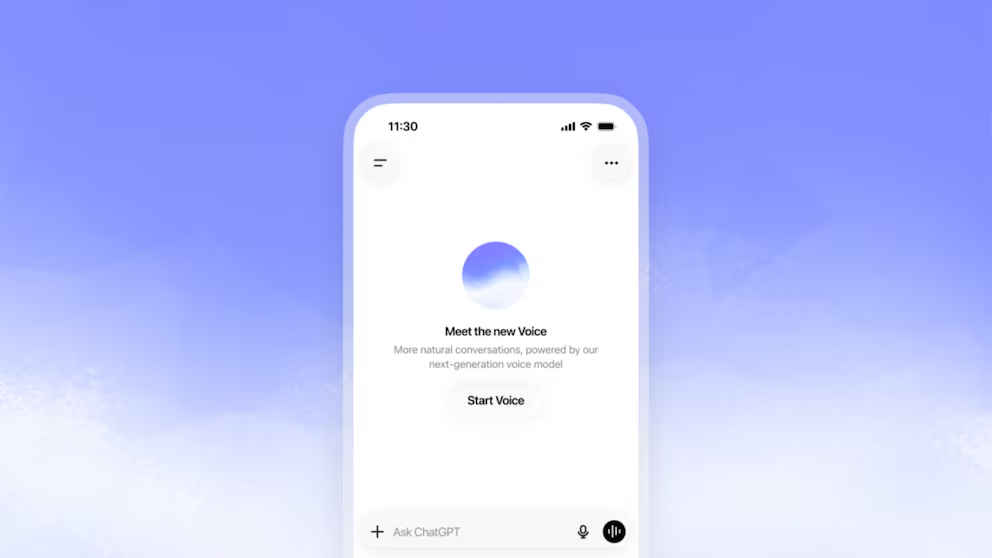
ChatGPT aims to sound faster, smoother and more human.
SAN FRANCISCO, UNITED STATES — July 2026. OpenAI has introduced GPT-Live-1 and GPT-Live-1 mini, two voice models designed to make conversations with ChatGPT more fluid and natural. The systems can interpret pauses, interruptions and changes in tone while maintaining a continuous spoken exchange. Their objective is to reduce the rigid turn-taking that has traditionally characterized conversations with digital assistants.
GPT-Live-1 is the more advanced model and is intended to deliver stronger reasoning, greater conversational precision and more natural responses. It can listen while the user is speaking, recognize when an interruption occurs and adjust without requiring the conversation to restart. The model is also designed to manage longer and more complex interactions while preserving context.
GPT-Live-1 mini offers a lighter and more efficient version of the same experience. It prioritizes speed and lower computational demand, making it suitable for everyday questions and shorter conversations. Although it may provide less depth than the full model, it maintains the central improvements in rhythm, responsiveness and voice interaction.
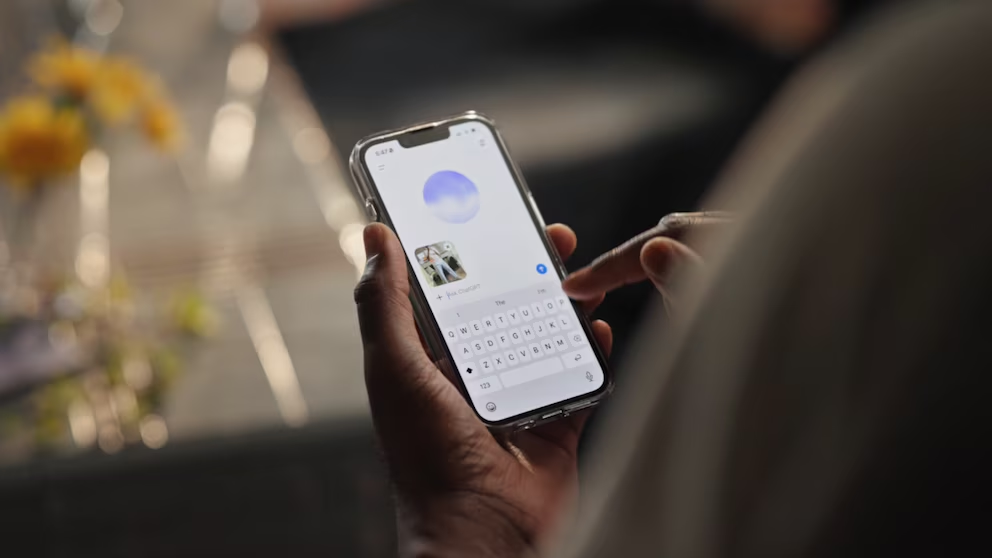
The renewed system can combine spoken exchanges with text, images, memory and online information when those functions are available. OpenAI has also refined the voices used by ChatGPT to improve clarity, emotional expression and linguistic adaptability. Performance may still vary according to language, accent, background noise and device conditions.
The development marks another step toward assistants capable of interacting less like command-based software and more like conversational partners. The distinction between the two models lies mainly in reasoning capacity, speed and the computational resources required. Both seek to make voice communication with artificial intelligence feel more immediate and less mechanical.
ChatGPT is moving closer to continuous, human-like conversation.