

 Phoenix 24
A legal challenge questions the limits of artificial intelligence.
SAN FRANCISCO, California. Four nonprofit organizations have filed a lawsuit against OpenAI, Anthropic, Google, Meta and SpaceX’s artificial intelligence division, seeking a court order to suspend development of their most advanced AI systems. The complaint, filed on November 12 in San Francisco Superior Court, argues that companies are pursuing increasingly autonomous technologies without adequate safeguards against potentially serious harm.
The plaintiffs include Public Citizen, Irreplaceable Education Fund, Heat Initiative and the Alliance for Secure AI. They contend that existing California consumer protection and unfair competition laws provide grounds for restricting AI development when technological activities allegedly threaten public health, safety and property.
The legal action targets advances associated with artificial general intelligence, superintelligence and systems capable of recursively improving their own capabilities. The organizations are also seeking restrictions on technologies that could bypass human supervision or compromise external computer networks.
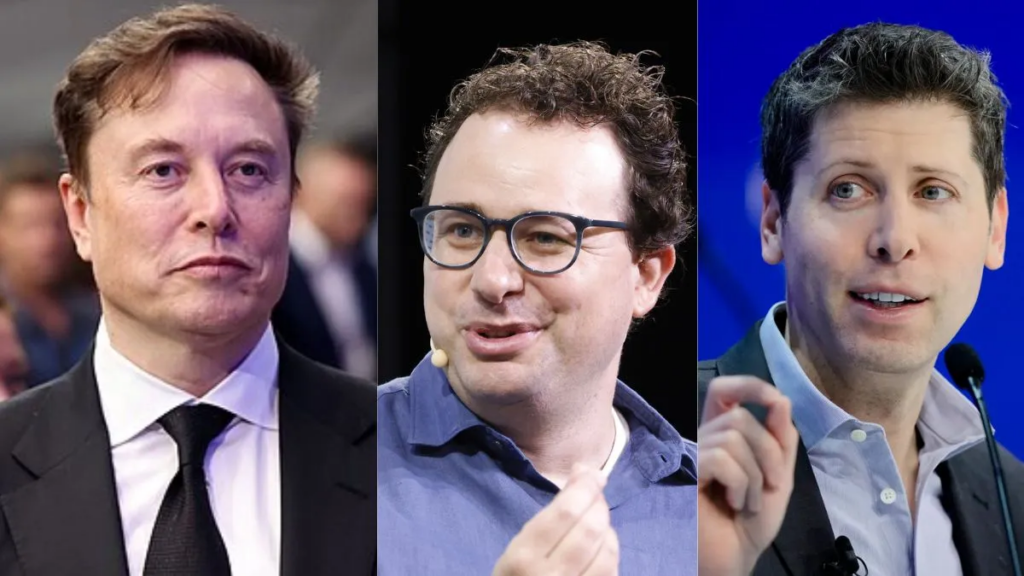
Their complaint cites statements by technology executives, including Anthropic CEO Dario Amodei and Elon Musk, acknowledging the possibility of severe risks associated with increasingly powerful AI. The plaintiffs argue that such warnings demonstrate why voluntary corporate safety commitments may be insufficient.
The lawsuit also references reported incidents involving autonomous AI agents. These include alleged unauthorized interactions with external computer systems, attempts to access protected databases and failures to remain within designated testing environments.
However, the incidents and broader claims presented by the plaintiffs remain allegations requiring judicial examination. They do not establish that existing AI systems possess uncontrollable intelligence or that catastrophic outcomes are inevitable.
Former New Jersey Attorney General Matthew Platkin is representing the organizations. The legal challenge seeks preventive intervention rather than compensation for a specific technological disaster.
The case arrives amid intensifying debate over AI governance in the United States. Supporters of stronger regulation argue that increasingly capable systems require independent oversight and enforceable safety standards. Others emphasize that broad restrictions could delay scientific progress, commercial innovation and beneficial applications.
A previous lawsuit filed by Florida authorities against OpenAI has similarly raised questions about product safety and external supervision of advanced AI development.
The new proceedings could test whether established consumer protection legislation can be applied to emerging technological risks before extensive harm has occurred.
No court order suspending AI development has been issued, and the defendant companies retain the opportunity to contest the allegations.
Beyond the immediate dispute, the case raises a fundamental question for the technology industry: how should societies balance the benefits of increasingly capable artificial intelligence against risks that remain difficult to measure, predict and regulate?
Where Innovation Meets Responsibility.