

 Phoenix 24
A disputed discovery exposes the limits of automated scientific research.
MEXICO CITY, Mexico. A Google researcher who claimed that 48 artificial intelligence agents had identified a previously unknown Maya archaeological site in Mexico has acknowledged that the location was already documented in a scientific study published in 2025. The episode has prompted debate over the reliability of autonomous AI research and the importance of expert verification.
Pietro Miotti, who conducted the experiment independently without using Google’s computing resources, deployed 48 AI agents to examine approximately 1,200 square kilometers of publicly available NASA lidar data. The technology uses laser measurements to reveal terrain features beneath dense vegetation, making it particularly valuable for archaeological surveys.
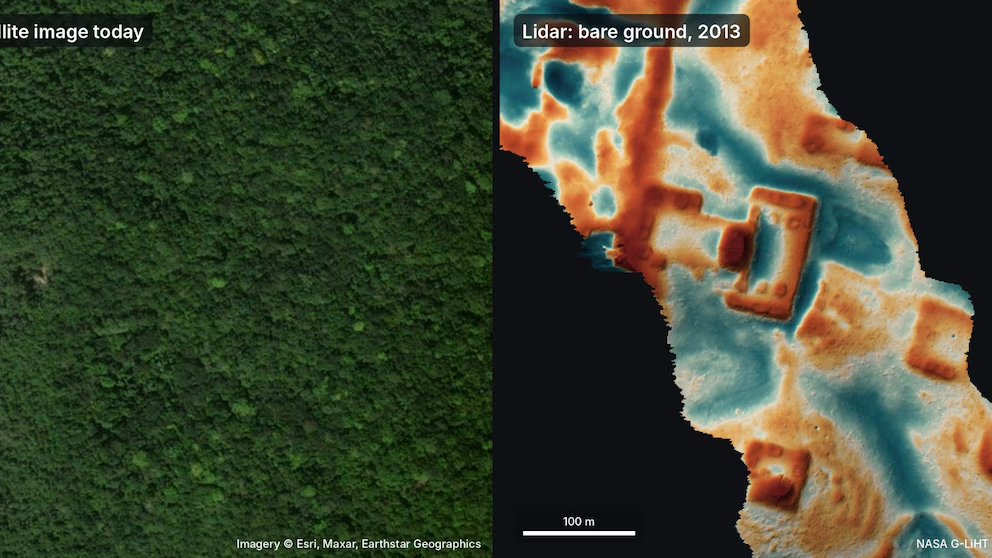
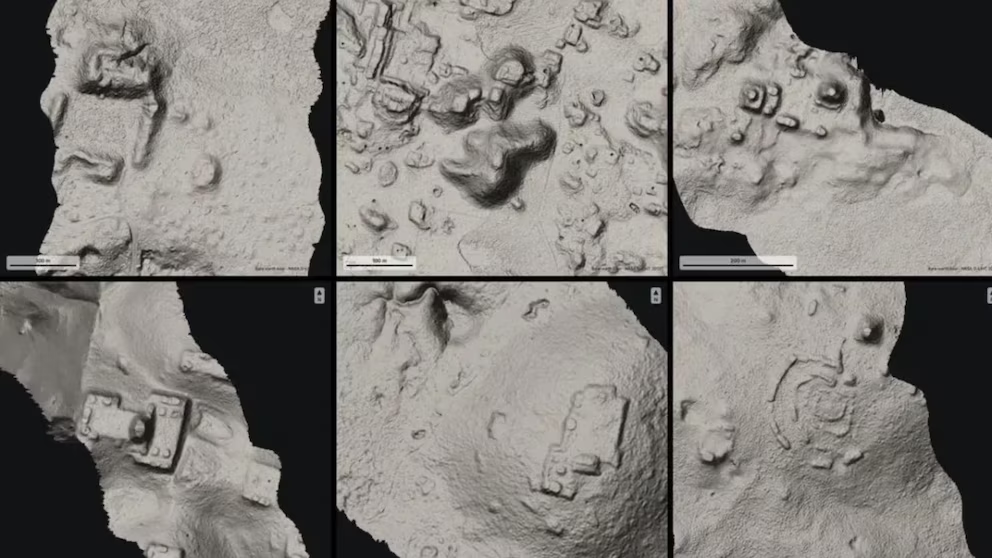
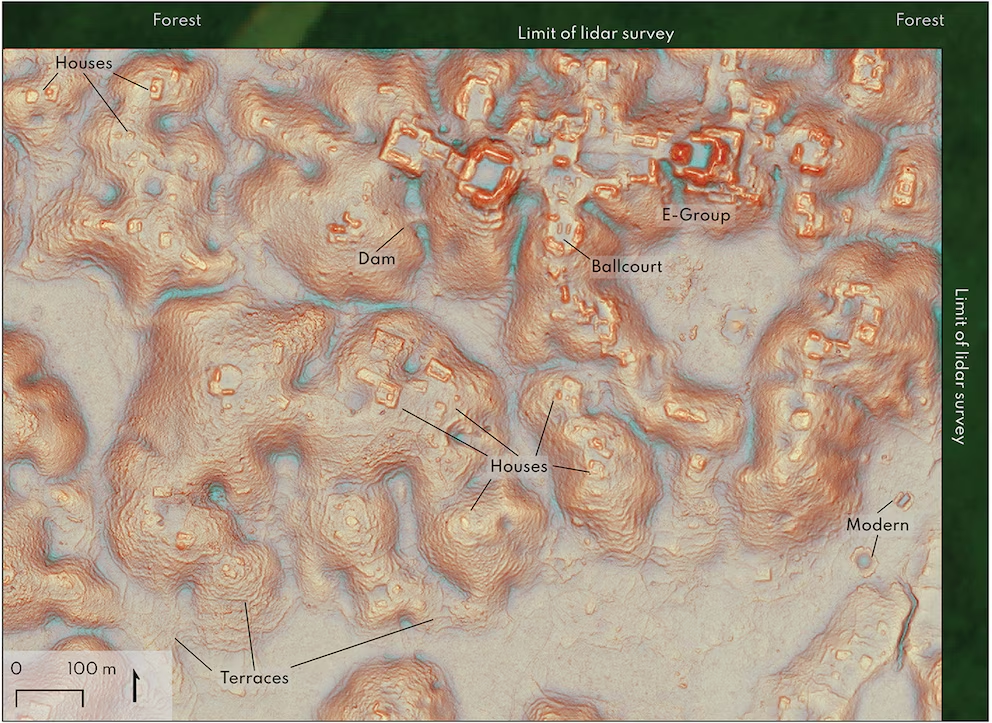
The agents identified several potentially significant structures, including a hilltop complex featuring a leveled plaza, an oval pyramid and an elevated courtyard. Miotti initially believed the location had not been documented and contacted Mexico’s National Institute of Anthropology and History (INAH).
The institute reportedly confirmed that the coordinates did not correspond to a site registered in its database. Miotti interpreted the response as supporting evidence of a potential discovery, describing how the process had progressed from an initial idea to official correspondence in approximately 72 hours.
However, archaeologists subsequently identified the same location in a 2025 study published in Journal of Archaeological Science: Reports by Francisco Estrada-Belli, Marcello Canuto, Ivan Šprajc and Juan Carlos Fernandez-Diaz.
On November 11, Miotti corrected his original account, acknowledging that the agents had rediscovered a previously mapped site rather than made a new archaeological discovery.
The distinction highlights a fundamental limitation of AI-assisted research: identifying patterns in large datasets does not automatically establish scientific novelty. Confirming an original discovery requires reviewing existing literature, interpreting archaeological evidence and consulting specialists familiar with the region.
Archaeologist Sarah Parcak emphasized the importance of peer review, while Elizabeth Graham of University College London questioned the assumption that sites absent from official registers are necessarily unknown. Local communities may already possess knowledge of archaeological locations long before they appear in institutional databases.
The controversy also raises heritage protection concerns. Publishing precise locations of archaeological sites without appropriate safeguards can increase their vulnerability to unauthorized excavation and looting.
Despite the criticism, Miotti maintains that AI agents can help researchers analyze substantial volumes of remote-sensing information. Their usefulness, however, depends on integrating automated detection with established scholarly methods and human expertise.
The episode offers a broader lesson for scientific applications of artificial intelligence: computational efficiency can accelerate investigation, but the credibility of a discovery ultimately depends on evidence, disciplinary knowledge and independent validation.
When Evidence Speaks, Narratives Change.