

 Phoenix 24
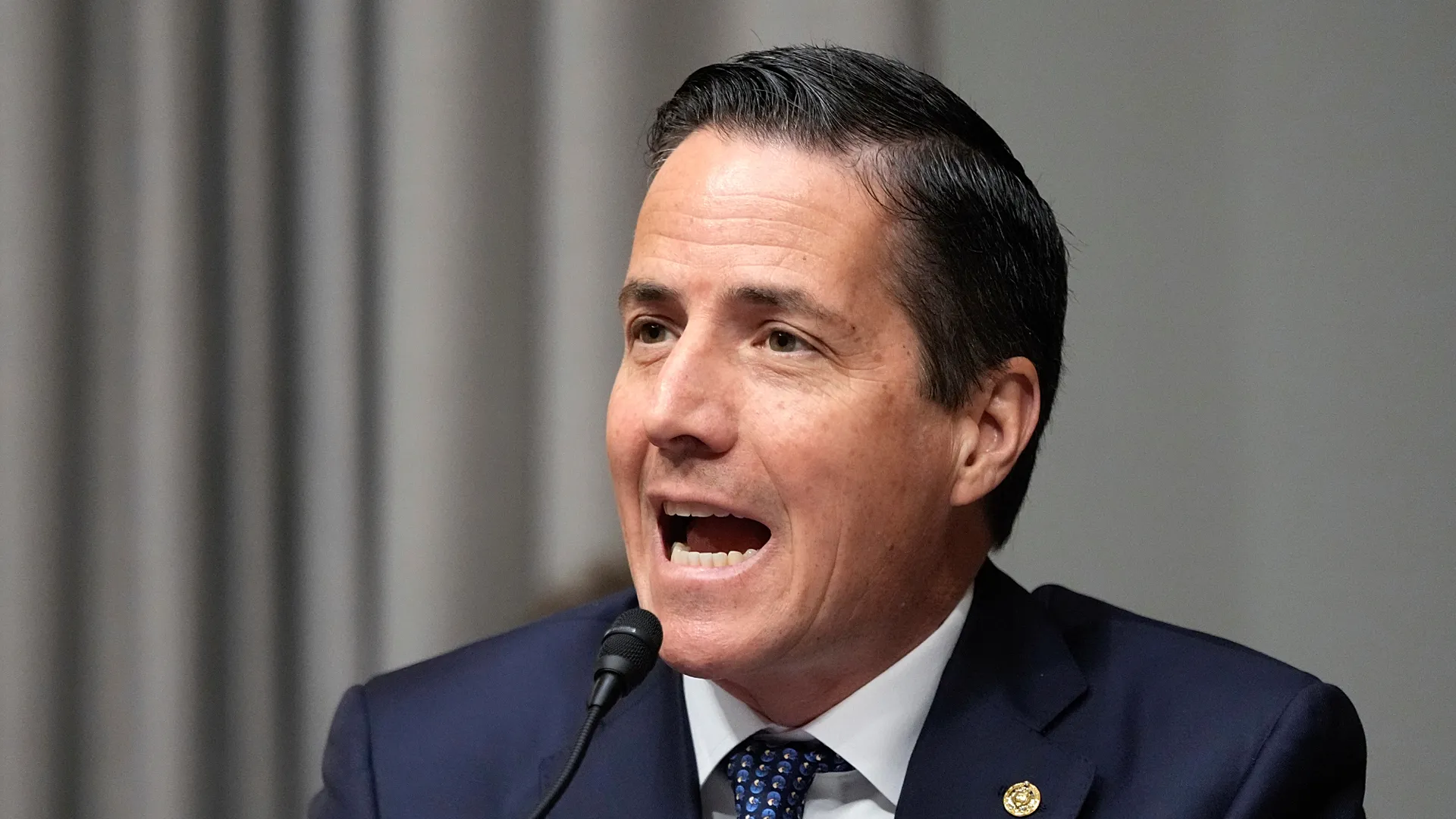
Identity becomes a battlefield when the law demands a single answer to the question of who you are.
Washington D.C., December 2025
A new legislative proposal in the United States has opened a fierce debate about allegiance, cultural belonging and the evolving meaning of citizenship in an interconnected century. The initiative, introduced by U.S. Senator Bernie Moreno, who was born in Colombia before becoming an American citizen, seeks to abolish dual nationality in the United States. Under the Exclusive Citizenship Act of 2025, any person who currently holds U.S. citizenship alongside another nationality would be required to choose one within a twelve month window. If the bill were to pass, obtaining a foreign citizenship in the future would result in the automatic loss of U.S. citizenship.
Moreno argues that dual nationality creates competing loyalties and frames his proposal as a necessary step to reinforce the primacy of a single civic allegiance. He maintains that being American should represent an undivided commitment and that multiple national identities weaken that fundamental bond. The proposed law is written with unusually categorical language, which has intensified the political reaction.
Civil rights groups, immigrant associations and multicultural organizations quickly expressed alarm. They insist that millions of Americans maintain legitimate cultural and emotional ties to other countries and that dual citizenship does not diminish loyalty to the United States. They also argue that the measure would disproportionately impact communities with large immigrant populations, particularly those from Latin America, Asia and the Middle East. For many families, dual nationality has long served as a bridge that preserves cultural heritage, facilitates mobility and maintains social continuity across borders.
Legal scholars point out that enforcing a mandatory renunciation of foreign citizenship could collide with constitutional protections. United States jurisprudence has consistently affirmed that citizenship cannot be revoked involuntarily, and that loss of nationality can only occur when an individual performs an action with explicit intent to relinquish citizenship. The bill’s automatic loss clause therefore raises significant constitutional questions, including whether Congress has authority to compel such a choice.
Across Latin America, where dual nationality is widely recognized as a legitimate form of belonging, the proposal has been received with unease. Countries such as Colombia allow their citizens abroad to maintain dual legal identities precisely because migration has created complex transnational families. For many Latin American communities in the United States, being told to renounce one nationality would be more than a bureaucratic requirement. It would represent the forced abandonment of part of their history, language and familial memory.
International observers also note that the proposal arrives at a moment when global mobility is a defining characteristic of economic and cultural life. European analysts emphasize that dual nationality is common in the European Union, where citizens regularly move, work and settle across different member states while retaining more than one legal identity. Asian policy institutes point out that countries with large diasporas rely on dual citizenship frameworks to maintain economic ties and investment flows. African regional experts mention that diaspora communities often act as connectors for trade, education and development programs. In all these cases, dual nationality strengthens rather than diminishes national interests.
Within the United States, the proposal forces a deeper reflection on the country’s identity. For generations, the United States has been shaped by people who carried more than one cultural world inside them. Artists, scientists, entrepreneurs and public officials have held dual identities without generating conflict. The debate now centers on whether loyalty can be both emotional and civic, or whether law should demand a singular, non negotiable answer.
Supporters of the bill argue that the global landscape has become more turbulent and that a unified legal allegiance is necessary for national cohesion. Opponents counter that the country’s strength has always emerged from its plural identities and its capacity to integrate different origins into a shared democratic project. Both sides acknowledge that the stakes are high, because the legal definition of citizenship influences political rights, family structures, inheritance, property ownership and the emotional anchor that binds individuals to a nation.
As Congress prepares to examine the proposal, millions of Americans who maintain connections to more than one homeland watch the debate cautiously. For some, the law would impose a painful decision. For others, it challenges the inclusivity that has long characterized the United States. What becomes clear is that the struggle over this bill is not only legal or political. It is cultural, emotional and generational. The outcome will help determine whether the American identity of the future will be singular or layered, narrow or expansive, rigid or adaptable to the realities of a world built on movement.
Every silence speaks. / Cada silencio habla.