

 Phoenix 24
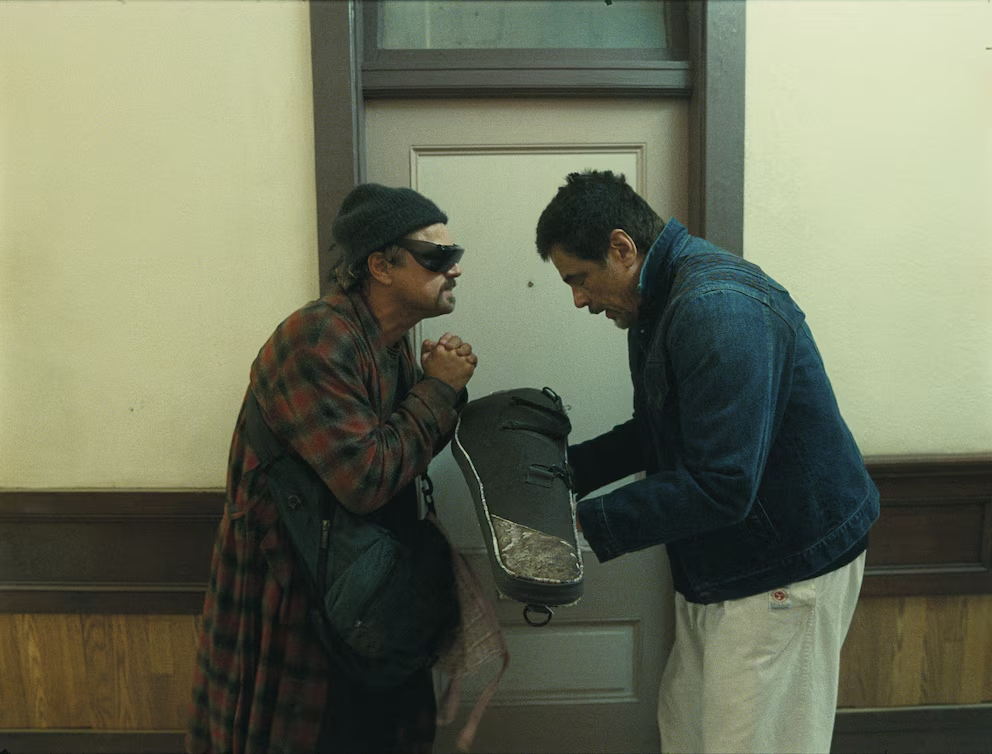
A film that blends dark humour and social critique has emerged as one of the most talked-about global releases of the year.
Mexico City, December 2025.
The new film “One Battle After Another,” now available on major streaming platforms, has captured international attention with its unflinching portrayal of violence, absurdist satire and the human toll of contemporary migration crises. Blending dramatic narrative with elements of surreal critique, the movie has become a cultural touchpoint — prompting discussion among critics, audiences and sociopolitical commentators about its thematic ambition and stylistic risks.
Directed by an auteur known for challenging conventions, the film follows multiple intersecting storylines involving characters whose lives are shaped by socio-economic displacement, institutional inertia and the randomness of modern conflict. Through a patchwork of episodes that oscillate between tragic intensity and satirical whimsy, “One Battle After Another” aims to illuminate the lived experience of people navigating borders both literal and metaphorical. Its approach has been described by some reviewers as bold and unsettling, a cinematic language that refuses to offer simplistic resolutions to complex human realities.
Violence in the film is not presented merely for spectacle, but as a narrative device that underscores the erosion of social certainties and the desperation of characters caught in systemic pressures. Scenes that juxtapose quotidian routines with sudden upheavals draw attention to the precariousness of life for those on the margins, while also inviting audiences to reflect on the broader structures that sustain cycles of displacement and uncertainty. The stylistic choice to blend stark imagery with moments of dark humour further complicates the viewing experience, challenging viewers to engage intellectually as well as emotionally.
Migration, as depicted in the film, is not a backdrop but a driving force that shapes character motivations and narrative arcs. From border crossings fraught with risk to tenuous interactions in unfamiliar cities, the film’s protagonists embody the tensions and contradictions of movement in a world marked by inequality and contested sovereignty. Their stories intersect with bureaucratic indifference, exploitative economies and episodes of interpersonal solidarity, creating a mosaic that resists reduction to a single theme. Critics have noted that this multidimensional portrayal aligns with ongoing global conversations about forced migration, asylum policy and human dignity.

Satire emerges as another defining element of the film’s voice, used not in a spirit of levity but as a tool of critique. Institutions, media narratives and political rhetoric are depicted with an irreverence that exposes their contradictions and blind spots. Rather than offering comedic relief, these satirical touches provoke discomfort, highlighting how public discourse often obscures the lived realities of those most affected by crisis. The result is a cinematic experience that navigates fine lines between comedy, tragedy and social commentary.
The ensemble cast delivers performances that anchor the film’s shifting tones, with actors inhabiting roles that range from weary migrants to disillusioned officials and observers caught between empathy and complicity. These portrayals have drawn praise for conveying nuance and emotional texture without lapsing into caricature. Such depth reinforces the film’s ambition to portray human complexity in situations marked by moral ambiguity and systemic constraint.
Since its release on streaming, “One Battle After Another” has sparked a lively discourse across cultural forums and social media, with viewers debating its aesthetic choices and the ethical questions it raises. Scholars in film studies have also weighed in, situating the work within a lineage of politically engaged cinema that seeks not only to represent crisis but to interrogate the mechanisms by which images and narratives shape public imagination.
Beyond the film itself, the conversation around its themes points to enduring global concerns about migration, inequality and the narratives that surround them. By foregrounding characters whose experiences defy easy categorisation, the film invites audiences to confront the human dimension of crises too often understood in abstraction. Its reception suggests a hunger for art that engages seriously with the turbulence of the contemporary moment without retreating into didacticism.
In a cultural landscape dominated by formulaic releases and predictable genre conventions, “One Battle After Another” stands out for its willingness to unsettle, provoke and challenge. Whether embraced or contested, it has become a reference point for how cinema can grapple with the intersections of violence, satire and the human stakes of global movement.
Narrative is power too.
La narrativa también es poder.