

 Phoenix 24
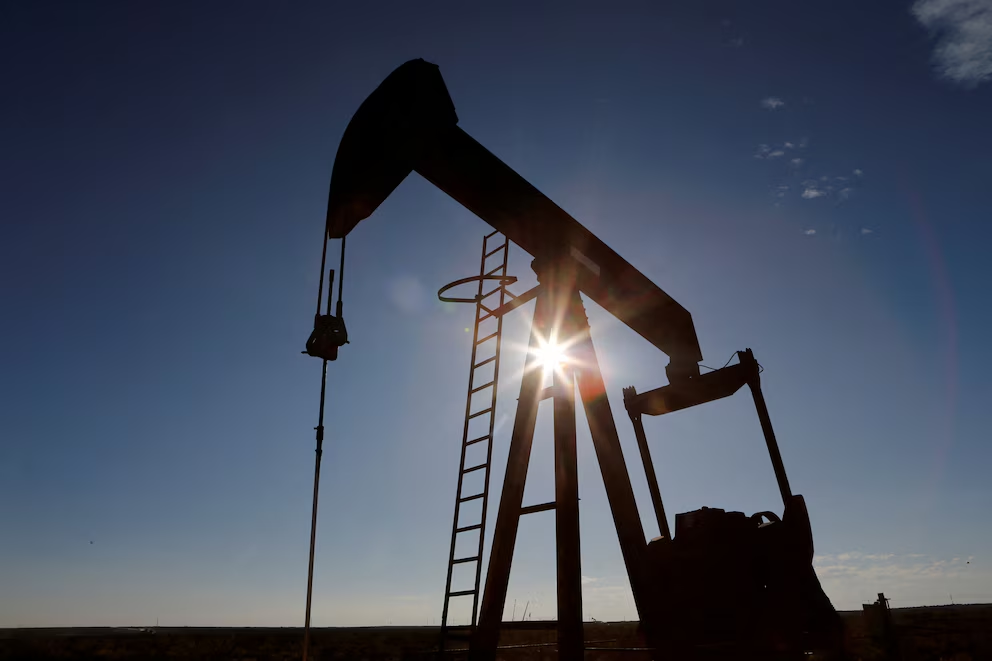
When geopolitics shakes confidence, commodity markets respond in real time.
Global Energy Markets, January 2026.
Crude oil benchmark prices for West Texas Intermediate (WTI) registered a noticeable increase in the wake of Nicolás Maduro’s capture and transfer to U.S. jurisdiction, as traders recalibrated risk expectations tied to supply stability in Venezuela and broader geopolitical uncertainty. The uptick in WTI reflects how oil markets remain finely tuned to developments that could disrupt production or reshape strategic relations within major producing regions.
Venezuela has long been a wildcard in global oil dynamics, possessing significant heavy crude reserves but facing persistent challenges in maintaining consistent output due to infrastructure limitations, economic constraints and political volatility. This context means that any event perceived as introducing further instability can prompt traders to adjust positions toward tighter supply scenarios, supporting upward pressure on benchmark prices.
The market movement also underscores the sensitivity of global energy prices to geopolitical signals beyond direct supply disruptions. Even where immediate logistical impacts are limited, changes in political leadership, legal exposure of key figures and the prospect of sanctions shifts can influence market psychology. Traders monitor such developments as part of broader risk assessments that encompass both short-term flows and medium-term production forecasts.
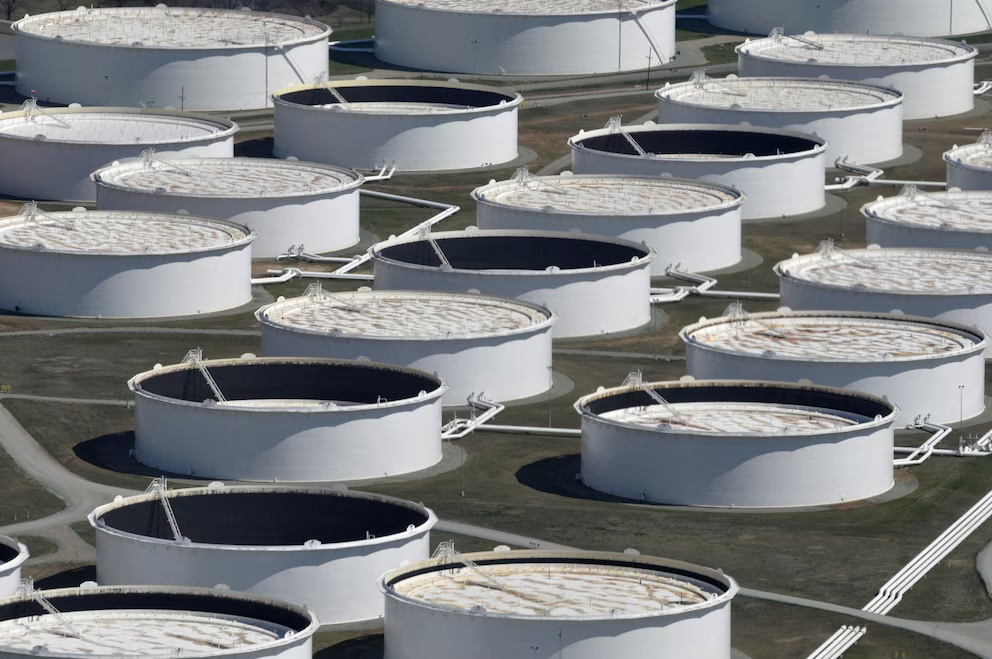
In this instance, the news of Maduro’s capture resonated across trading floors in New York and London, prompting risk-adjusted buying that pushed WTI prices higher in intraday sessions following the announcement. Market participants cited increased uncertainty about Venezuela’s ability to sustain or expand output under evolving political conditions and potential ripple effects on investor appetite for engagement in the region.
The price response also highlights how energy markets integrate geopolitical factors with broader demand considerations. While global economic indicators and demand forecasts remain pivotal drivers of crude valuations, unexpected political events can act as catalysts for rapid repricing when they intersect with existing structural concerns about supply resilience. In a landscape where spare capacity outside core producers is limited, even marginal shifts in risk perception can amplify price movements.
From a regional standpoint, uncertainty in Venezuela’s energy sector may prompt investment recalibrations by both national and international actors. For consumers and producers alike, the question is not only how much oil is physically available today, but how strategic relationships, contracts and operational stability will unfold in the near future. These considerations become especially salient when political developments intersect with ongoing debates about energy transition timelines and capital allocation across competing energy vectors.
Beyond the immediate price reaction, analysts note that the market impact is likely to remain contingent on how Venezuela’s broader production profile evolves in response to institutional shifts and international engagement. Should diplomatic channels stabilize and investment commitments resume, price pressures could moderate. Conversely, increased fragmentation in management of production assets or further political volatility could sustain risk premiums in crude benchmarks.
The episode illustrates how interconnected geopolitics and commodity markets have become. Oil does not only trade on supply and demand fundamentals; it trades on confidence, expectations and the perceived reliability of producing nations to deliver over time. In this sense, WTI’s rise following political upheaval in Venezuela reflects a market that prices narratives as much as barrels.
La verdad es estructura, no ruido.
Truth is structure, not noise.