

 Phoenix 24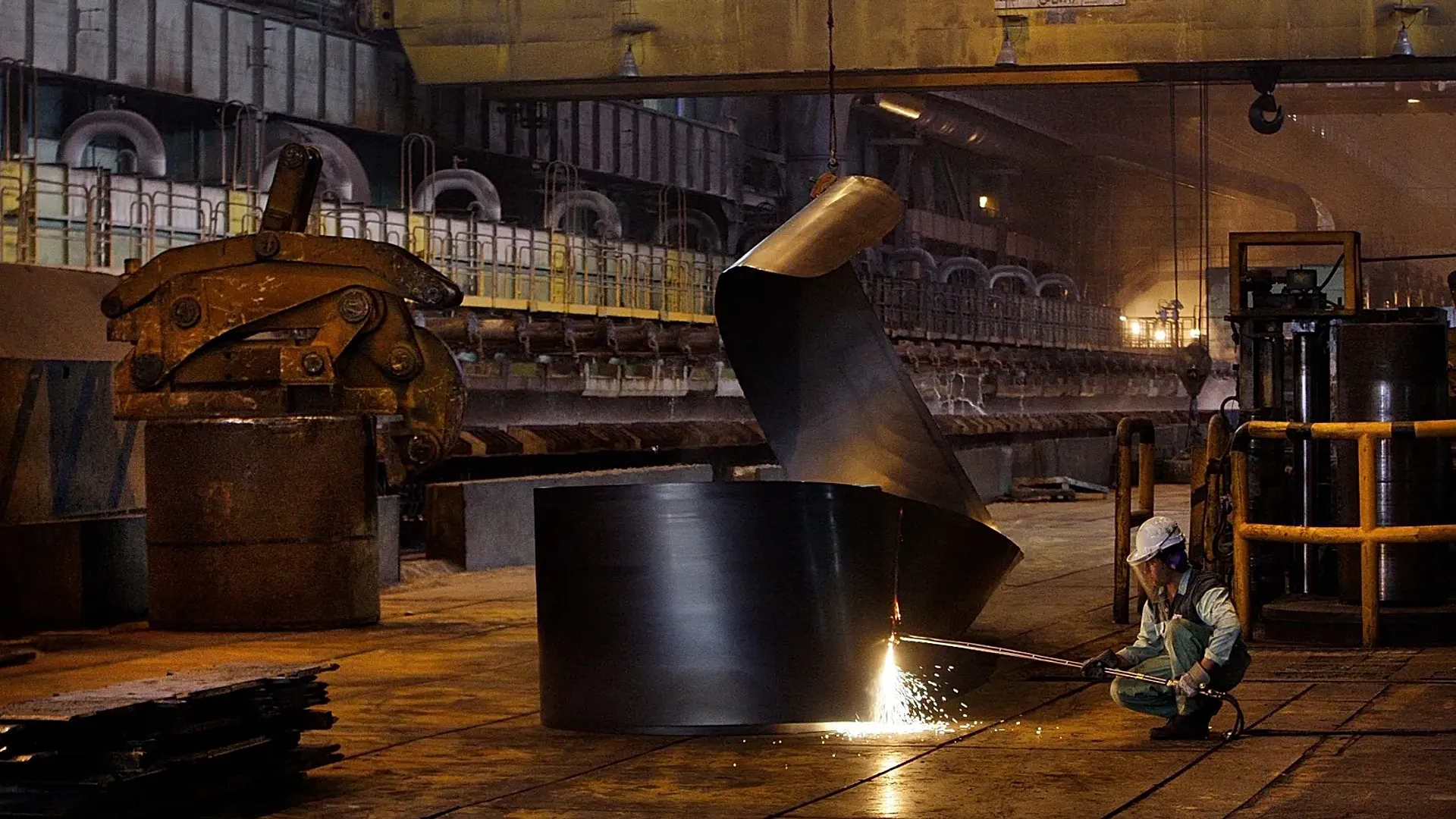
Industrial damage is now part of the message.
Jerusalem, April 2026
Benjamin Netanyahu has pushed the war’s narrative into a new register by claiming that Israeli strikes have destroyed 70 percent of Iran’s steel production capacity. The statement matters not only because of its scale, but because it frames industrial capacity itself as a battlefield indicator alongside missiles, launchers and nuclear infrastructure. In effect, the Israeli government is presenting damage to steelmaking as evidence that the campaign is reaching deeper into the material base of Iranian power. That shifts the conversation from tactical strikes to economic and industrial attrition.
The number, however, should be read as a wartime claim rather than as a definitively verified final assessment. What is clearer is that major Iranian steel facilities have been drawn into the wider target map of the conflict and that the sector has become part of the pressure architecture of the war. That alone is strategically significant. Steel is not merely another export industry; it underpins construction, heavy industry and parts of military production, making it a high value pressure point in any campaign designed to weaken state resilience over time.
The broader industrial context makes the claim even more consequential. Iran has remained one of the world’s major steel producers, which means this is not a symbolic sector being invoked for rhetorical effect alone. It is a large national industry with real economic and strategic weight. If the level of destruction described by Netanyahu were even partially accurate, the damage would reach far beyond immediate factory output and into supply chains, revenue flows and long term recovery capacity.
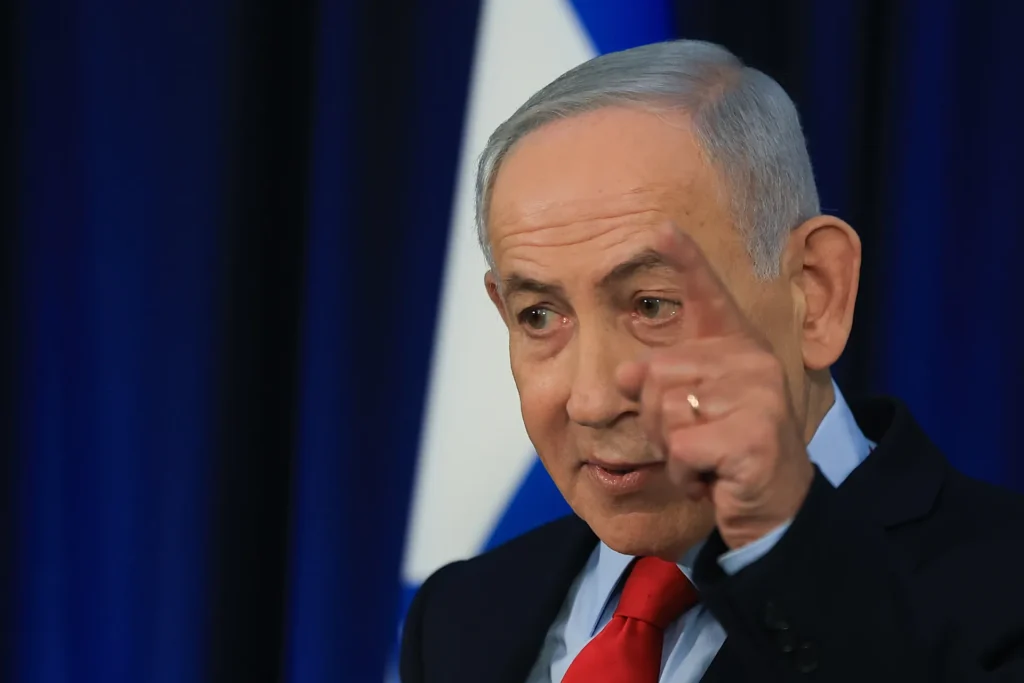
There is also a political logic behind elevating steel to headline status. Governments at war do not choose metrics randomly when addressing domestic and international audiences. By highlighting steel capacity, Netanyahu is signaling that Israel wants the campaign to be understood not just as a security operation, but as a systematic erosion of Iran’s ability to regenerate strength. It is a language of cumulative weakening, meant to show that the war is biting into infrastructure tied to both national revenue and strategic endurance.
That framing also sharpens the legal and geopolitical stakes. Once a war narrative moves from military assets toward industrial and civilian adjacent infrastructure, the argument over proportionality becomes harder to contain. The battlefield may still be described in security terms, but the consequences become unmistakably structural. What is being contested is no longer just military capability in the narrow sense, but the industrial foundations that support national continuity under pressure.
The deeper pattern is hard to miss. Netanyahu’s steel claim is not only about what has been destroyed, but about how modern war is being narrated to the world. Industrial capacity, energy systems and transport networks are no longer peripheral to the story; they are increasingly the story itself. In that kind of conflict, victory is measured not only in battlefield control, but in how much of an adversary’s material future can be broken before diplomacy catches up.
Beyond the news, the pattern. / Beyond the news, the pattern.