

 Phoenix 24
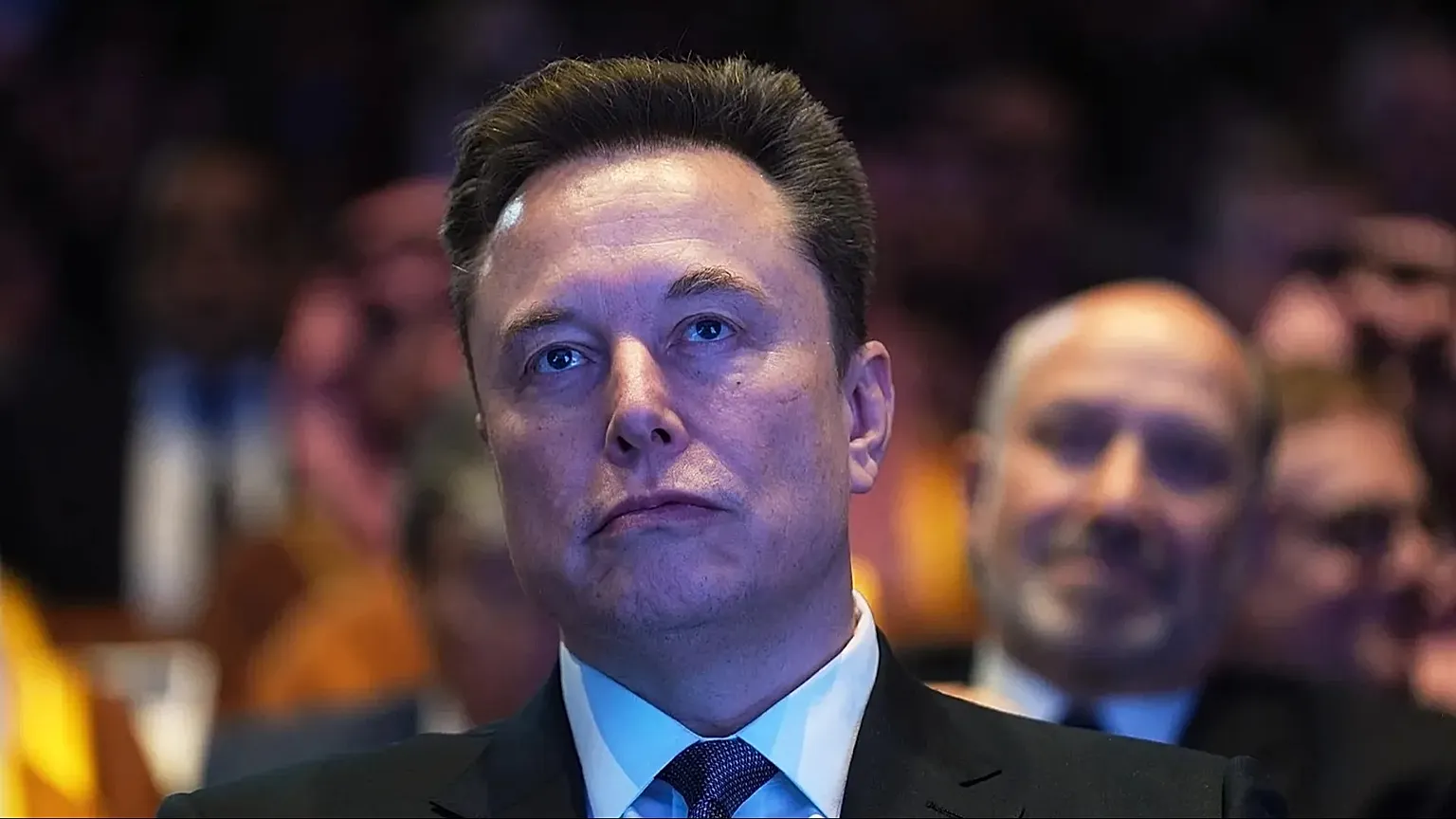
A forceful declaration meets a wall of scrutiny as Europe tests the boundaries between digital influence, platform accountability and the projection of technological power.
Brussels, December 2025. Elon Musk’s assertion that X has become Europe’s number one news application ignited a surge of debate across the continent, colliding with market data, regulatory findings and the increasingly complex politics of digital governance. The statement, delivered with characteristic confidence, followed the European Commission’s decision to impose a substantial penalty on the platform for violations of transparency standards under the Digital Services Act. The timing and tone of Musk’s claim generated immediate attention, not least because it arrived at a moment when X faces heightened legal obligations and growing skepticism from policymakers who view the platform as an evolving test case for whether global tech giants can align with European norms.
Musk framed X as a central information hub across the twenty seven member states, describing the platform’s rising download statistics and user interactions as proof of dominance. Yet specialists in digital behavior across Europe note that these short term fluctuations rarely translate into structural leadership. Independent analysts tracking long horizon adoption patterns have observed significant disparities between markets, with some major countries showing prolonged declines in active usage. They emphasize that download surges often coincide with isolated news events or public controversies, and therefore cannot, on their own, validate the claim of continent wide supremacy in the information landscape.
Regulatory officials in Brussels, who have intensified oversight of large platforms under the new legislation, underscored that compliance and transparency obligations apply regardless of market position or executive claims. Institutions focused on digital integrity in the European Union argue that X has yet to demonstrate the level of operational clarity expected of platforms that shape public discourse at scale. These expectations involve not only the labeling of accounts and the clarity of verification systems but also the provision of data access for independent researchers and the maintenance of advertising archives that allow external scrutiny. European authorities maintain that such measures are essential to protecting democratic processes and ensuring that online ecosystems do not distort or manipulate civic participation.
Beyond Europe, observers in North America continue to evaluate the ongoing tension between the platform’s governance practices and the regulatory ambitions of democratic institutions. Think tanks in Washington have highlighted that the dispute is part of a larger confrontation between differing philosophies of digital regulation. While some political actors in the United States defend Musk’s criticism of Brussels as an expression of technological freedom, others see it as evidence of a widening transatlantic divide on how to balance innovation with user protection. Analysts note that this divergence is likely to influence broader debates on the future of global tech governance and the extent to which platforms can operate with minimal oversight.
In Asia, researchers studying the evolution of digital ecosystems point to the strategic implications of Musk’s statement. They argue that narrative framing plays a central role in shaping market perception, especially in competitive environments where platforms vie for relevance across regions with diverse regulatory cultures. Institutions in East Asia have noted that asserting market leadership, whether or not supported by empirical data, can serve as a powerful signal to investors, advertisers and geopolitical actors who view digital platforms as instruments of soft power. From this perspective, Musk’s declaration is as much a move in a larger strategic communication game as it is a metric driven claim about market share.
European media scholars warn that the classification of X as a “news application” complicates the debate, since the platform functions less as a curated news source and more as a social amplifier whose informational quality depends on user behavior rather than institutional editorial standards. This ambiguity, they argue, makes traditional rankings difficult to interpret. While X unquestionably influences political discourse and can shape public narratives during crises, substantial segments of the population continue to rely on legacy outlets, subscription based publications and regional news aggregators for verified information. As a result, claims to continental leadership must be assessed against the broader mosaic of Europe’s media consumption habits.
For its part, X has maintained that the European Commission’s enforcement actions misinterpret the platform’s intentions and impose disproportionate obligations that hinder innovation. Company representatives insist that they have implemented changes designed to meet regulatory expectations while preserving what they describe as the platform’s core commitment to openness and unfiltered speech. Nonetheless, critics in European civil society organizations remain unconvinced, arguing that the platform’s evolving verification practices and moderation policies contribute to the spread of misleading or manipulative content. They contend that robust accountability mechanisms remain essential, particularly in a year marked by intensified political campaigning across multiple European states.
As the confrontation continues, Musk’s claim has become more than a debate over numbers. It has evolved into a symbolic struggle over who defines the metrics of digital influence and how those metrics intersect with legal obligations and democratic expectations. The clash reflects a future in which platforms are no longer evaluated solely on popularity but on their capacity to operate within transparent, rights respecting frameworks that reinforce trust rather than undermine it.
Phoenix24: truth stands.
Phoenix24: la verdad permanece.