

 Phoenix 24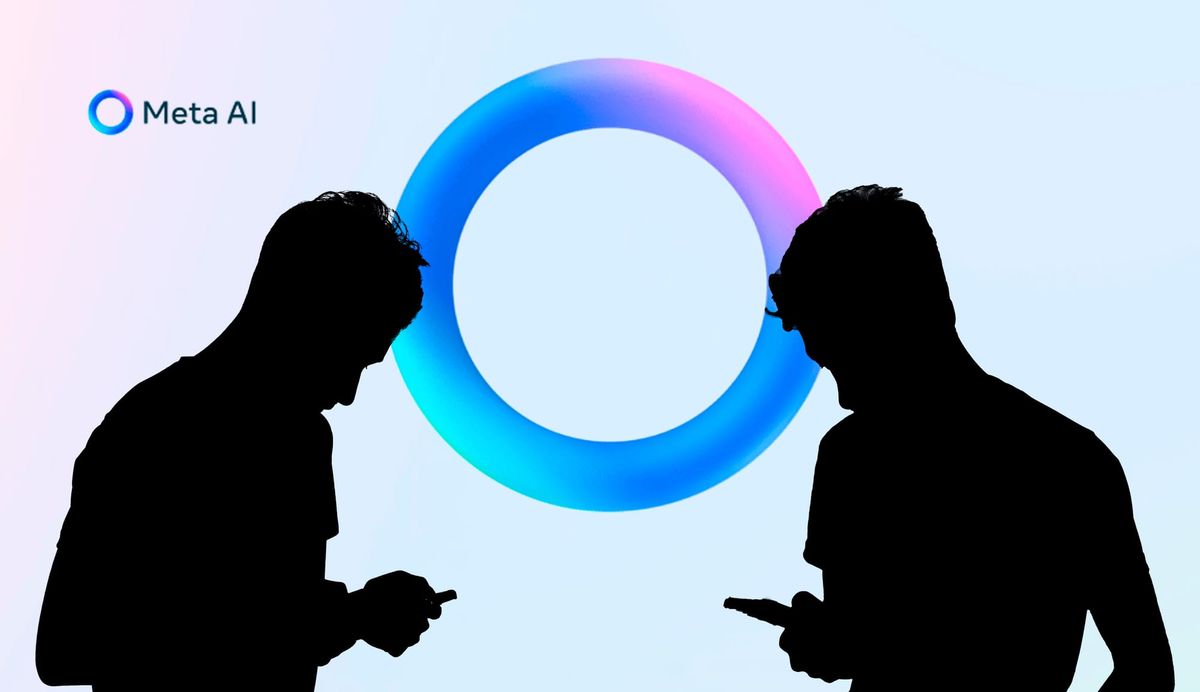
The office is becoming the next surveillance frontier.
Menlo Park, June 2026. An internal leak has raised concerns that Meta’s artificial intelligence systems could access information related to international employees, opening a sensitive debate about privacy, governance and the limits of corporate AI inside global technology companies. The issue is not merely technical. It touches the core question of whether workers can trust the same systems their employers are rapidly deploying to accelerate productivity.

The concern centers on internal data exposure. In large multinational companies, employee information can include workplace communications, performance records, location-linked metadata, internal documents, organizational charts and other operational traces. If AI tools can process or surface that information without strict safeguards, the workplace becomes a data environment where professional life is constantly transformed into machine-readable material.
Meta’s case is especially significant because the company is aggressively restructuring around artificial intelligence. As AI becomes embedded in workflows, analysis, automation and internal productivity systems, the boundary between assistance and surveillance becomes harder to define. A tool designed to help employees work faster can also become a mechanism for monitoring, profiling or extracting organizational intelligence.
The international dimension deepens the risk. Employee data does not move through a single legal culture. European privacy rules, U.S. corporate practices and local labor protections can collide when AI systems operate across borders. What may appear as an internal efficiency tool in one jurisdiction can become a serious compliance and trust problem in another.

For workers, the psychological effect is just as important as the legal one. If employees believe internal AI can access sensitive information about them, they may self-censor, avoid documentation, reduce dissent or treat corporate platforms as hostile environments. That weakens collaboration and turns innovation culture into controlled behavior.
The deeper lesson is that enterprise AI cannot be governed only as software. It must be governed as power. Every model trained, connected or deployed inside a company changes who can see, infer, classify and act upon information. Without transparency, consent limits and auditable controls, artificial intelligence becomes an invisible layer of managerial authority.

Meta now faces a familiar technology-sector dilemma: how to accelerate AI adoption while proving that the infrastructure will not erode employee trust. The company may frame the issue as a matter of configuration, access controls or internal policy, but the public concern is broader. Workers want to know whether AI is being built with them or quietly turned toward them.
The leak is therefore more than a corporate privacy incident. It is a preview of the next workplace conflict in the AI economy. As companies race to automate intelligence, the struggle will not only be over jobs. It will also be over visibility, consent and the right to remain human inside systems designed to read everything.
Phoenix24: clarity in the grey zone. / Phoenix24: claridad en la zona gris.