

 Phoenix 24
Health becomes harmful when perfection performs.
Buenos Aires, June 2026. Fitspiration began as a motivational trend around exercise, discipline and healthy living, but its digital evolution has made it increasingly problematic for young people. Behind images of toned bodies, strict routines and inspirational captions, the phenomenon can create unrealistic expectations that link personal worth to physical appearance and constant self-optimization.
The danger lies in its apparent positivity. Unlike openly harmful body-shaming content, fitspiration often presents itself as health advice, empowerment or lifestyle discipline. That makes it harder to question. A message that seems to promote wellness can still intensify anxiety, body dissatisfaction and obsessive comparison.
Young users are especially vulnerable because social media rewards visibility, aesthetics and repetition. When feeds are filled with idealized bodies, extreme routines and moral language around food or training, exercise can stop being a source of well-being and become a measure of personal failure. The body is no longer lived; it is monitored, corrected and judged.

The psychological impact can include guilt, low self-esteem, compulsive exercise, restrictive eating and distorted body perception. The problem is not fitness itself, but the transformation of health into permanent performance. A healthy routine allows flexibility. Fitspiration often pushes control disguised as motivation.
Families, educators and health professionals should pay attention to warning signs. These may include excessive concern with appearance, anxiety after missing workouts, rigid food rules, constant body checking or emotional distress linked to social media exposure. The earlier these patterns are identified, the easier it becomes to interrupt them.
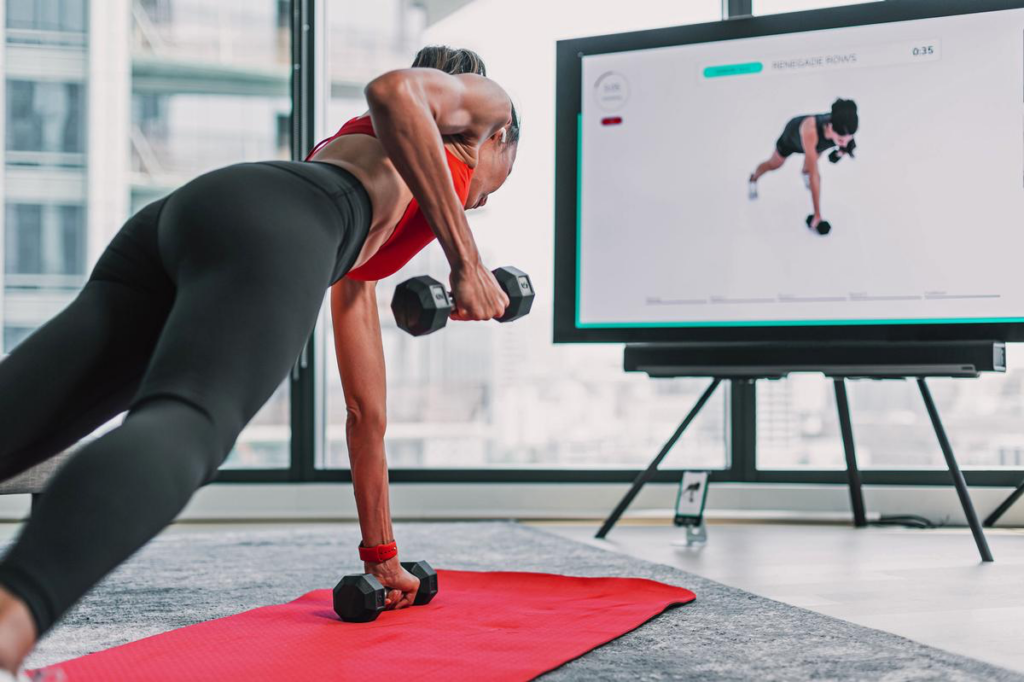
A healthier approach requires shifting the conversation from appearance to function, pleasure and balance. Exercise should help young people inhabit their bodies with confidence, not punish them into conformity. Nutrition should support energy and development, not become a moral test.
The fitspiration phenomenon reveals a broader failure of digital culture. Platforms have learned to package insecurity as aspiration and sell discipline as identity. In that environment, protecting mental health means teaching young people that wellness is not a body type, a caption or a performance for strangers.
La verdad es estructura, no ruido. / Truth is structure, not noise.