

 Phoenix 24
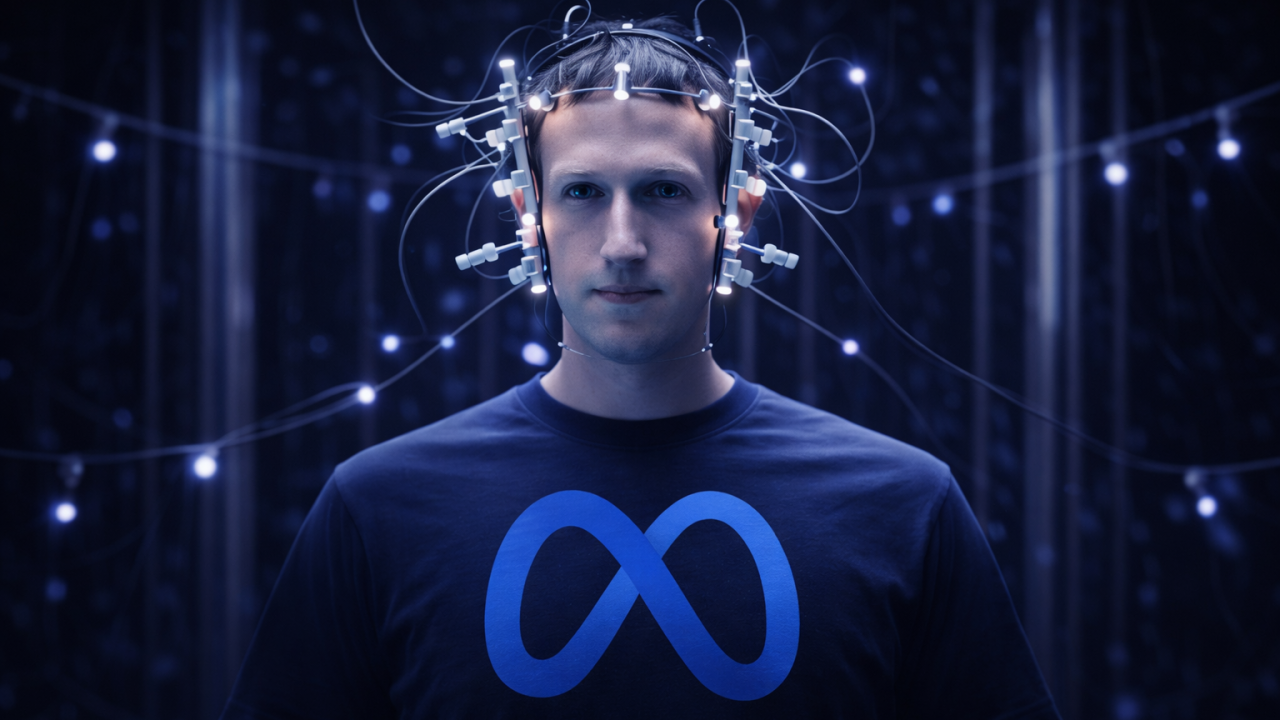
A brain model is never just a technical model.
Menlo Park, March 2026
Meta’s new AI system pushes the company deeper into one of the most delicate frontiers of contemporary technology: the attempt to model how the human brain responds to what it sees, hears, and reads. The project is presented as a research tool for neuroscience rather than as a consumer product. Even so, its symbolic force is much larger than the laboratory setting in which it was introduced. Once a company begins to say it can anticipate neural responses, the conversation stops being only scientific and starts becoming civilizational.
What makes the announcement especially charged is not simply the scale of the model, but the kind of claim surrounding it. The system was described as being trained on brain imaging data from participants exposed to video, audio, and language, with the goal of predicting patterns of neural activity at a much finer level than older approaches. In plain terms, the ambition is to build a computational mirror of how the brain reacts to stimuli. That does not mean the machine reads minds in the cinematic sense. It does mean the distance between behavior prediction and brain prediction is shrinking in ways that deserve scrutiny, not just applause.
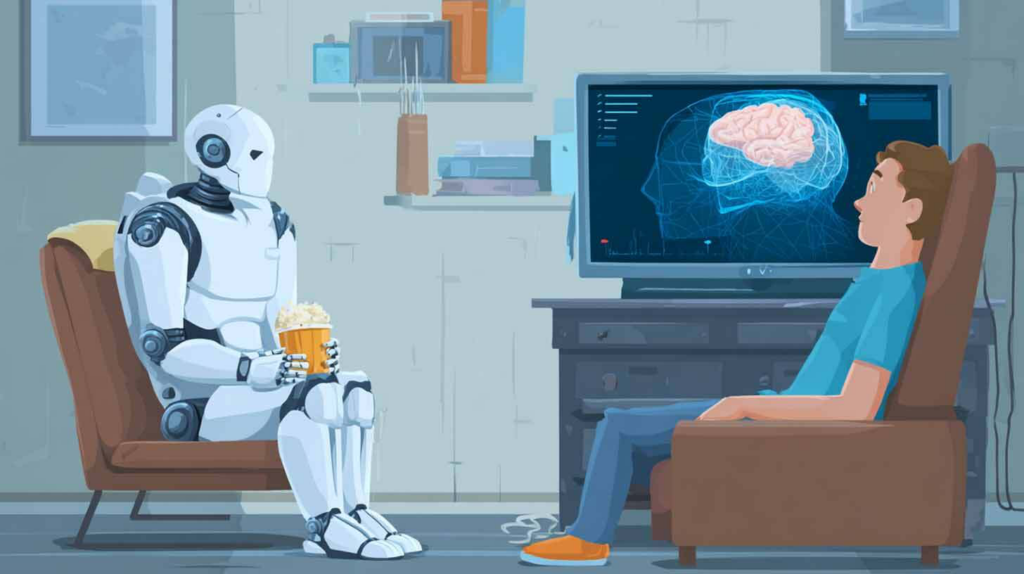
The scientific promise is real enough to explain the excitement. A model like this could accelerate basic neuroscience, improve experimental design, and help researchers test hypotheses without relying only on slower and more expensive imaging workflows. It could also become useful for brain computer interfaces and for understanding how perception and language are encoded across subjects. But technical usefulness does not neutralize the deeper issue. The more accurately a system can simulate neural response, the more attractive it becomes for institutions that want not only to understand cognition, but to anticipate and shape it.
That is where the story becomes politically and ethically heavier. The same ecosystem that builds recommendation systems, attention maximizing platforms, and behavioral targeting tools is now helping develop models of neural response itself. Even if the present use case is purely scientific, the architecture of possibility expands. The question is no longer just whether AI can classify preferences from clicks and screen time. The question is whether future systems could be tuned around increasingly refined predictions of how the brain is likely to react before the subject fully interprets that reaction for themselves.

There is also a conceptual trap in the way these advances are narrated. Headlines suggesting that a machine may know the brain better than the person do not merely dramatize the finding. They quietly encourage a new hierarchy in which subjective experience starts to look less authoritative than predictive modeling. That shift matters. If enough prestige migrates from lived consciousness to external inference, then human interiority itself risks being redescribed as a dataset awaiting optimization. It is one thing to say a model can estimate neural averages. It is another to normalize the idea that self knowledge may become less trustworthy than machine prediction.
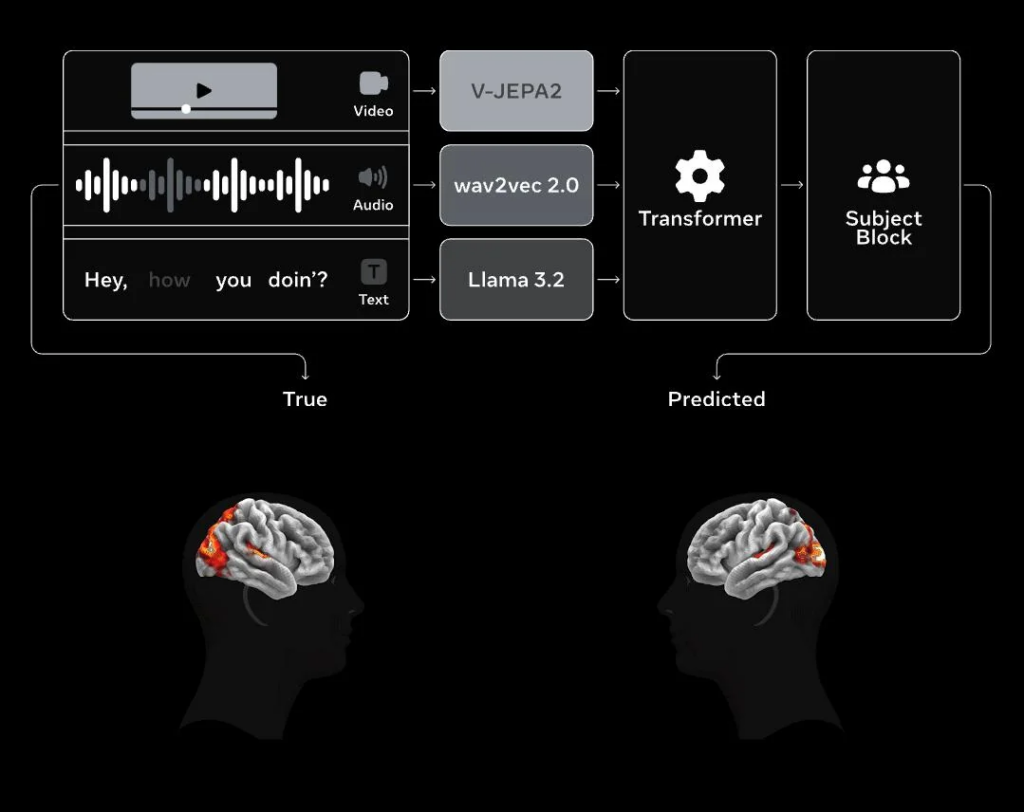
What Meta has unveiled, then, is not just a sophisticated neuroscience tool. It is another sign that the frontier between cognition and computation is being redrawn by actors whose power already extends far beyond research. The achievement is substantial, but so is the warning embedded inside it. As AI moves from language to perception and from perception toward neural prediction, the central issue will not be whether the models become more impressive. It will be whether society develops limits before prediction itself becomes a new form of asymmetrical power.
Phoenix24: journalism without borders. / Phoenix24: periodismo sin fronteras.