

 Phoenix 24

Compute supply is now strategic territory.
Menlo Park, February 2026.
Meta and NVIDIA have announced a long term infrastructure partnership built around one core objective: securing scale. The headline is “millions of chips,” but the deeper shift is architectural. This is not just a GPU buying spree for model training. It is a move to lock an integrated compute fabric that combines accelerators, CPUs, networking, and security tooling into one procurement logic. In a market where component scarcity can delay product roadmaps, the partnership reads less like a purchase order and more like a governance decision over supply, performance, and dependency.
The agreement, as described publicly, includes large scale adoption of NVIDIA’s next generation GPU platforms, specifically the Blackwell and Rubin families, alongside the use of NVIDIA CPUs and high performance Ethernet networking designed for AI scale clusters. That combination matters because modern AI bottlenecks are increasingly holistic. You can have powerful GPUs and still underperform if data movement, interconnect latency, or CPU scheduling becomes the limiting factor. The direction here is clear: reduce friction across the stack, increase utilization, and treat the entire system as one machine rather than a collection of parts.
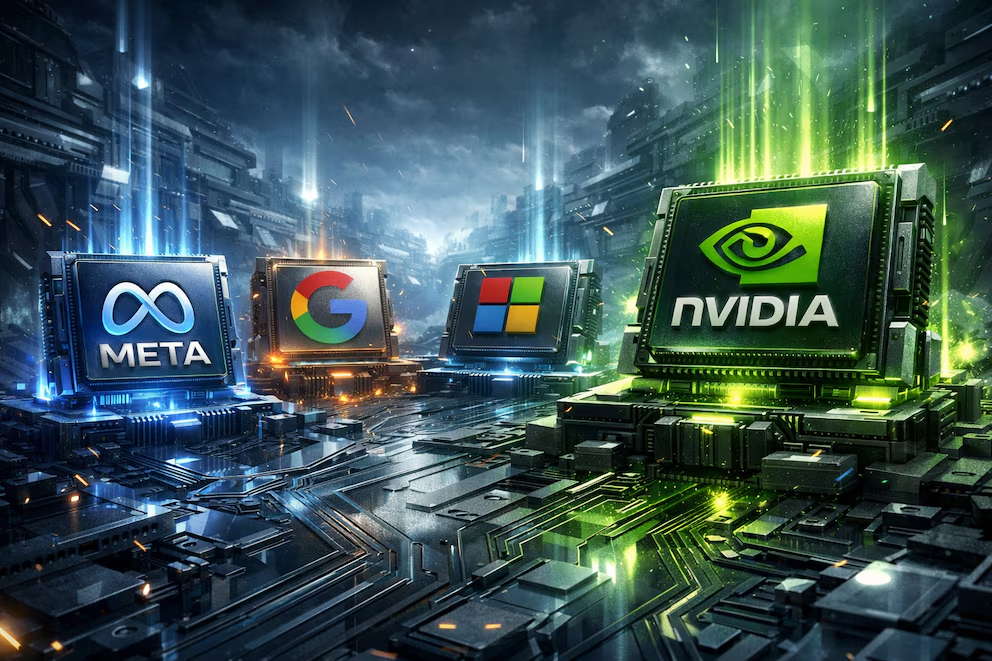
This also signals a realignment inside the data center CPU landscape. By leaning into NVIDIA’s CPU line at scale, Meta is effectively signaling that performance per watt and platform integration now outweigh traditional loyalty to incumbent server architectures. That does not mean every workload will shift immediately, but it does confirm that hyperscalers are willing to standardize on alternative CPU paths when the efficiency math and the ecosystem support look compelling. The quiet consequence is that the “AI race” is also a race to redefine what a standard data center looks like, and who supplies its core building blocks.
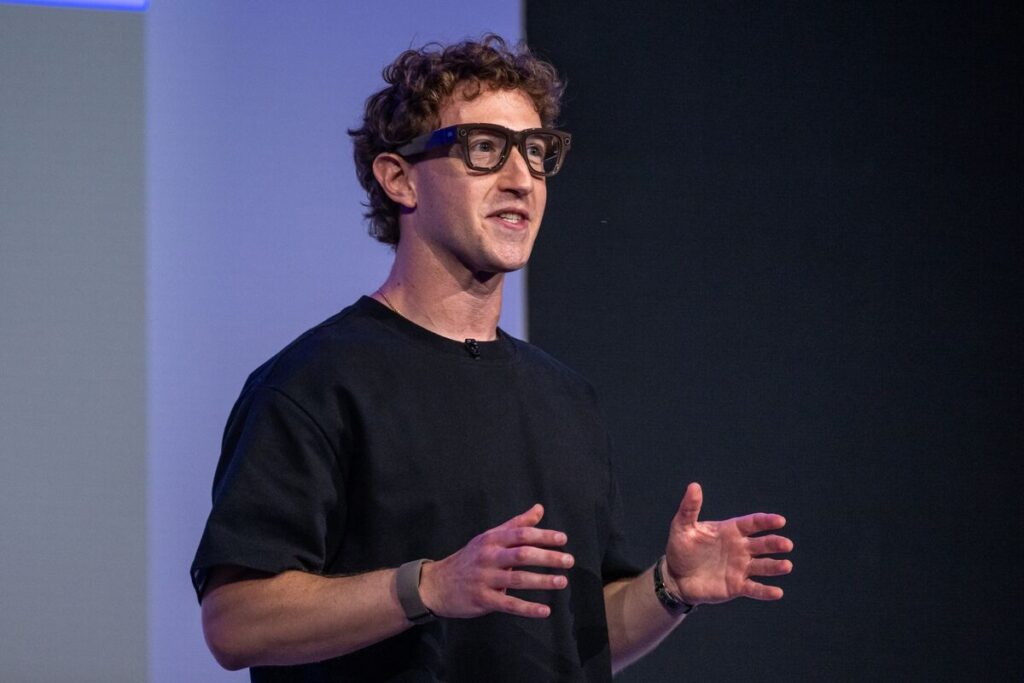
Meta’s posture in this partnership is best understood as hedged ambition. Large platforms increasingly explore in house silicon to reduce dependence and to optimize specific workloads, but custom chip programs are multi year bets, while product pressure is a quarterly reality. A long term deal with NVIDIA functions as insurance, it buys continuity of supply and a clear upgrade path, even as Meta keeps optionality in other parts of its hardware strategy. In supply chain terms, it is diversification by time horizon rather than diversification by vendor.
A less visible but strategically important layer sits in networking and secure processing. AI systems fail in practice not only at compute limits but at data movement bottlenecks and trust boundaries. High performance networking improves training and inference throughput by reducing the idle time that comes from waiting on data. Confidential computing and related security approaches matter because Meta wants to run AI capabilities across environments where privacy, integrity, and regulatory scrutiny are not negotiable, especially in messaging and identity sensitive contexts. The logic is simple: speed without trust creates risk, and risk can destroy adoption faster than a model can improve.
The partnership also functions as a competitive lock in move, for both sides. For NVIDIA, the advantage is not just selling chips, it is selling a platform, an end to end stack that makes switching expensive and makes each upgrade cycle easier to justify. For Meta, the advantage is operational stability. An integrated stack reduces coordination cost, reduces the probability of hidden incompatibilities, and turns scaling into a repeatable process rather than a series of bespoke engineering crises. The tradeoff is dependency. Integration increases efficiency, but it also increases the cost of moving away later.
Zooming out, this deal is another marker of a broader transition. AI infrastructure is becoming an alliance system. Once you commit at hyperscale to a given platform and roadmap, you inherit long term dependencies, upgrade cycles, and interoperability assumptions that are expensive to unwind. That dynamic resembles defense procurement in one key way: strategic advantage accrues to those who can secure supply, standardize quickly, and keep upgrading without interruption.
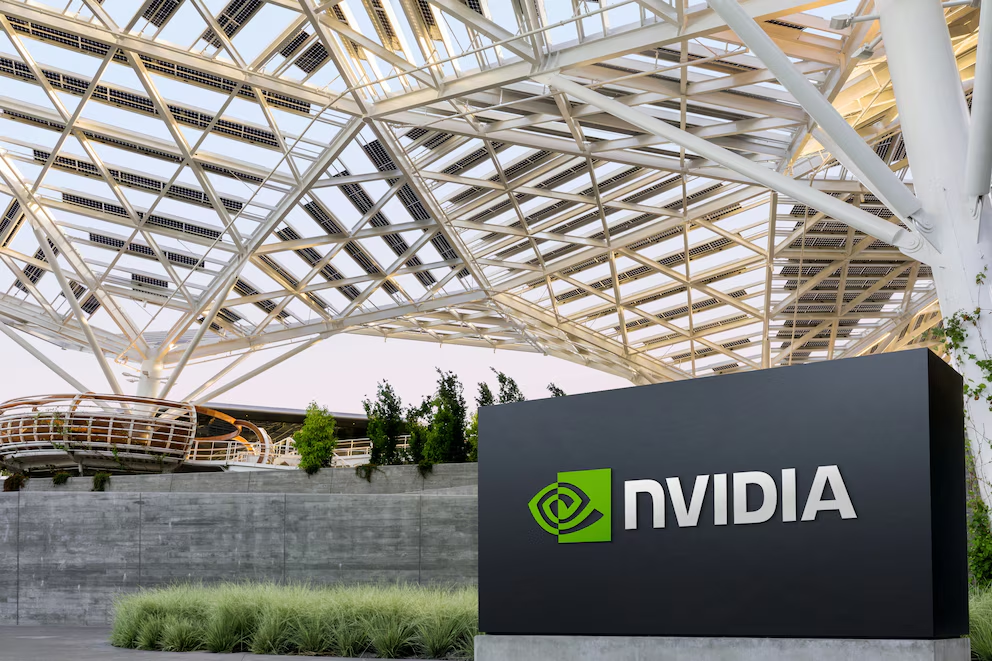
The public story will be remembered as “millions of chips.” The more accurate story is that the future of AI is being negotiated in supply commitments, network fabrics, and efficiency targets, because that is where power becomes durable. Compute is no longer just capacity. It is leverage, continuity, and the ability to set the pace of innovation when everyone else is waiting in line.
Hechos que no se doblan. / Facts that do not bend.