

 Phoenix 24

A full battery feels good, chemistry disagrees.
Seoul, February 2026.
The advice sounds almost too simple. Stop charging your laptop or phone around 80 percent, avoid draining it to zero, and keep it away from heat. It keeps resurfacing because it matches how lithium based batteries actually degrade over time. The goal is not perfection. The goal is to reduce the hours your battery spends under the most stressful conditions, high voltage and high temperature, because those are the regimes that accelerate wear.
The core mechanism is voltage stress. When a lithium ion cell sits near full charge, its voltage is high, and high voltage speeds up unwanted chemical side reactions inside the battery. Those reactions slowly consume active lithium and thicken internal layers that make a battery less efficient at storing and delivering energy. You still get a “100 percent” reading on the screen, but over months, the true usable capacity shrinks faster if the battery lives at the top of its range. Keeping the battery around 80 percent reduces that stress without demanding that you micromanage every charge cycle.
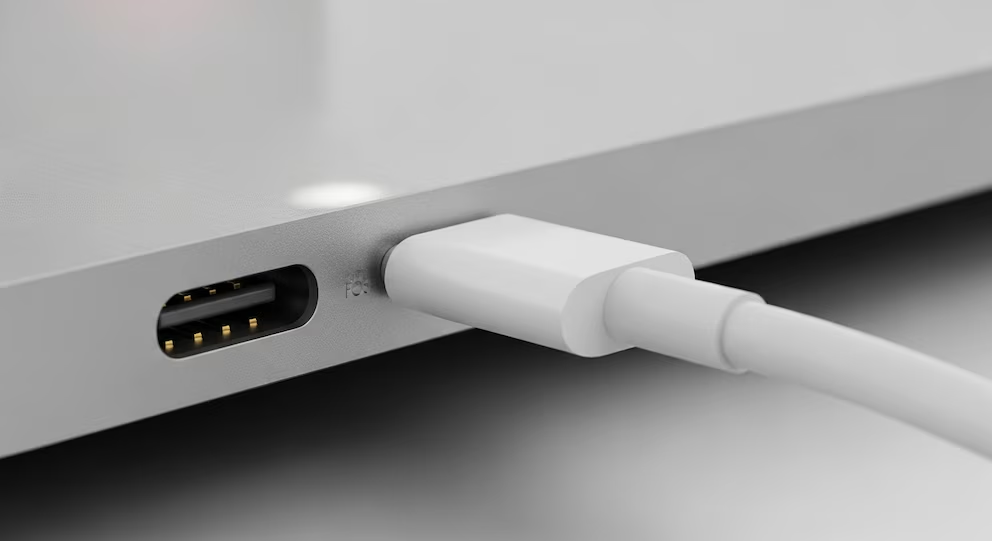
Heat is the accelerator. A warm battery ages faster, and the most damaging combination is heat plus high state of charge. That is why the pattern that hurts devices is not an occasional full charge. It is spending long periods fully charged while hot, for example charging quickly while gaming, leaving a laptop plugged in under load, or keeping a phone in the sun while topping up. In practical terms, if your device runs warm and you also keep it topped at 100 percent, you are stacking two degradation drivers at once.
The reason the 80 percent idea gained mainstream traction is that device makers have effectively acknowledged the tradeoff in software. Many laptops and phones now include battery protection features that pause or limit charging near the top of the range, especially when the device is often plugged in. That design choice is a quiet admission that the “always 100 percent” habit is not optimal for longevity, and that a small sacrifice in maximum daily range can buy a meaningful reduction in long term wear.
The 80 percent number itself is a heuristic, not a hard rule. Battery aging is a curve, not a switch. The big idea is minimizing time at extremes. Deep discharges add stress because the battery experiences larger voltage swings and because the system must operate closer to its lower safety limits. Full charges add stress because the battery remains at high voltage, and if heat is present, degradation speeds up. A “20 to 80” routine works because it keeps the battery away from both edges most of the time, while still letting you use the edges when you actually need them.
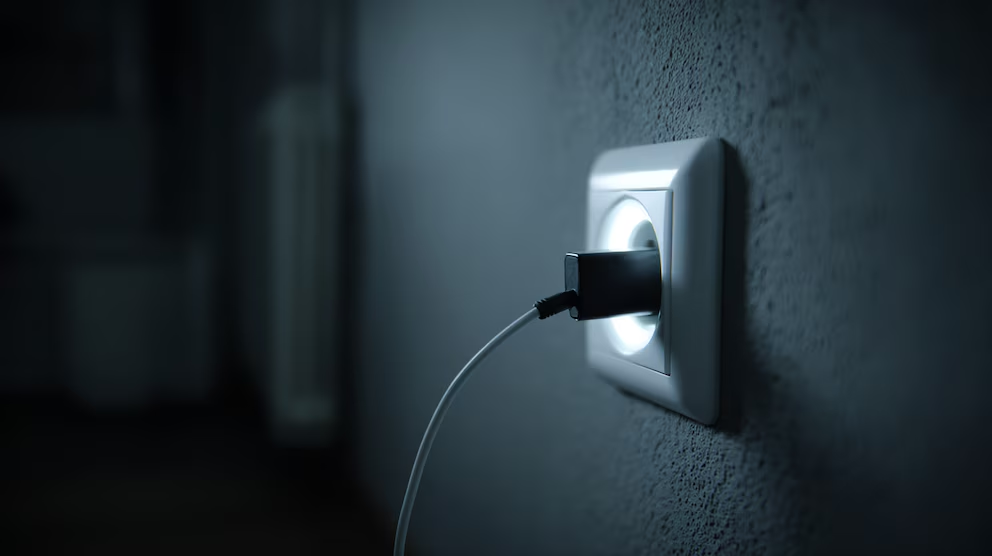
For laptops, this is particularly effective because many people use them like semi stationary machines. If your laptop lives on a desk, plugged in for hours, a charge limit is one of the highest leverage habits you can adopt, because it reduces the long dwell time at maximum charge. When you travel or expect a long day away from outlets, you can temporarily charge to 100 percent right before leaving, then return to the cap when you are back to a predictable routine. The principle is not to never reach 100 percent. It is to avoid living there unnecessarily.
For phones, the logic is similar, but the environment is harsher. Phones are exposed to more frequent short charges, more heat from pockets and sunlight, and more fast charging, all of which raise stress. If your phone offers a battery protection mode, using it during normal weeks can slow degradation, and you can disable it when you truly need maximum range. The effect is not dramatic overnight. It compounds over months and years.
The basics still matter as much as any percentage cap. Use reliable chargers, avoid charging under pillows or on surfaces that trap heat, and do not leave devices in hot cars. Temperature can erase the gains from an 80 percent limit. If you store a device unused for weeks, a mid level charge is generally kinder than storing it full or empty, because both extremes add stress over time.

The most useful mindset shift is to treat battery health as exposure management. The battery does not “remember” a single full charge, but it does respond to long hours at high charge, repeated deep cycles, and chronic heat. The 80 percent ceiling works because it makes the healthier pattern easy to follow without turning daily life into a lab experiment.
Cada silencio habla. / Every silence speaks.