

 Phoenix 24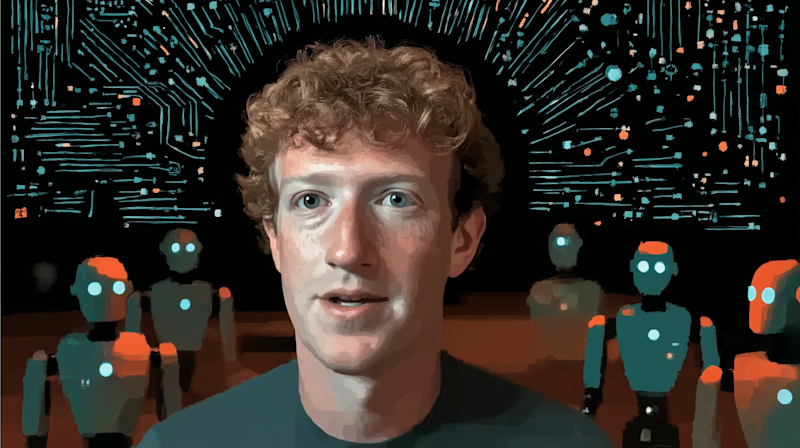
Meta’s CEO argues that the most profound impact of advanced AI will come from expanding human creativity rather than simply replacing human labor.
Menlo Park, California | August 2026
Mark Zuckerberg has presented an expansive vision for the future of artificial intelligence in which invention, creativity and individual empowerment, rather than mass automation, become the defining legacy of superintelligence. In a manifesto released on August 10, the Meta CEO argued that advanced AI should amplify human capabilities and distribute technological power instead of concentrating it within a small number of corporations, institutions or governments.
At the center of Zuckerberg’s argument is the idea of personal superintelligence. Rather than imagining AI primarily as an industrial mechanism for eliminating jobs and reducing labor costs, he envisions intelligent agents available to individuals as permanent collaborators capable of supporting learning, creativity, entrepreneurship, decision-making and everyday problem solving.
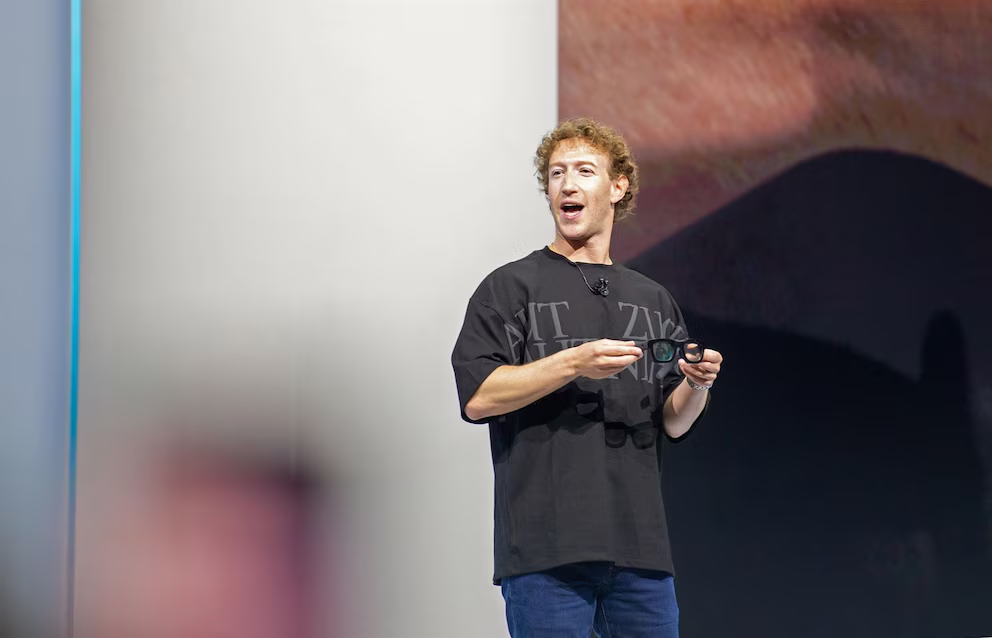
Zuckerberg maintains that the greatest economic transformation could emerge from lowering the barriers to invention. Individuals and small teams equipped with increasingly powerful AI systems could potentially create companies, develop products, conduct research or pursue artistic projects that previously required substantial capital, specialized personnel and large organizational structures.
The vision also places considerable emphasis on access. Zuckerberg argues that concentrating advanced artificial intelligence within a limited number of organizations would create economic and political risks. Broad access to powerful AI models, he suggests, could instead distribute innovation across society and allow more people to participate directly in technological and economic creation.
Meta’s strategy reflects this philosophy. The company is continuing to develop AI models and personalized agents while advocating greater availability of open-weight technologies. Zuckerberg sees this approach as part of a broader competition over who will control the infrastructure and capabilities underlying the next generation of artificial intelligence.
His argument nevertheless raises significant questions. Personal superintelligence could expand individual capabilities, but its effects will depend on who controls computing infrastructure, data, energy resources and the most advanced models. The promise of democratized intelligence therefore exists alongside an emerging global competition for the enormous resources required to build it.

Zuckerberg’s forecast ultimately challenges one of the dominant narratives surrounding artificial intelligence: that its historical significance will be measured primarily by how much human work it eliminates. His alternative is more ambitious. If superintelligence reaches its potential, its greatest legacy may not be the tasks humans no longer perform—but the things humanity becomes capable of creating for the first time.
Phoenix24: journalism without borders.
Phoenix24: periodismo sin fronteras.