

 Phoenix 24
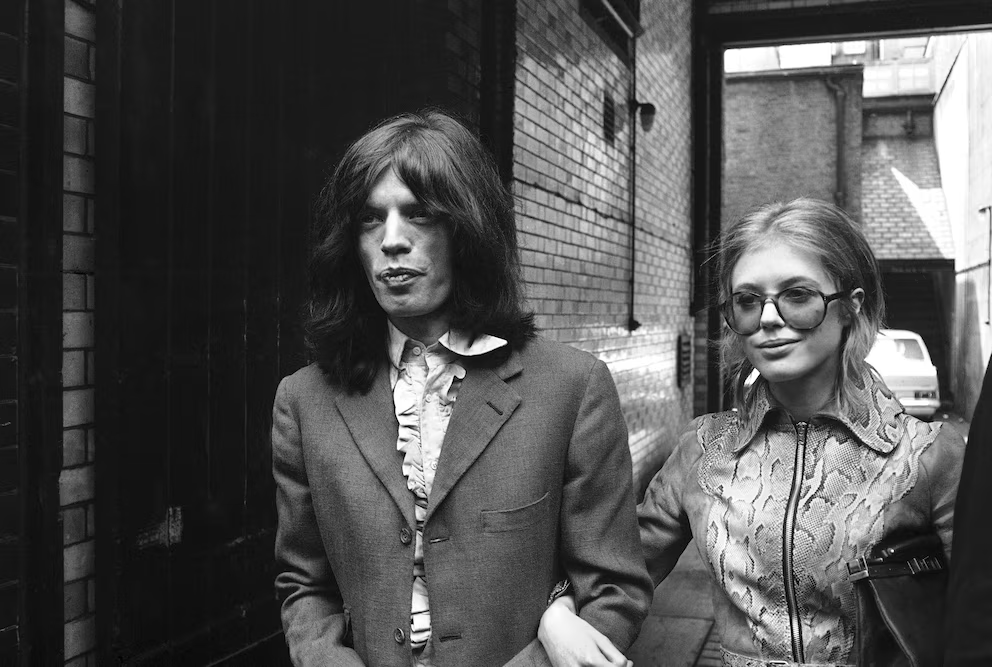
Sometimes an object, a notebook or a quiet sketch reveals more about a life than any published biography ever could.
London, November 2025
A rare collection of personal belongings, hand-written journals, artwork, clothing and furniture owned by Marianne Faithfull has gone under the hammer in London, igniting global interest among collectors, cultural historians and admirers of one of the most complex artistic figures of the last six decades. More than a public sale, the event opens a private archive that had remained closed for years, allowing a new reading of a life marked by reinvention, loss, survival and a stubborn creative pulse. Every item in the catalogue offers not only material value but emotional contour, offering glimpses of how Faithfull navigated fame, fragility and artistic rebirth.
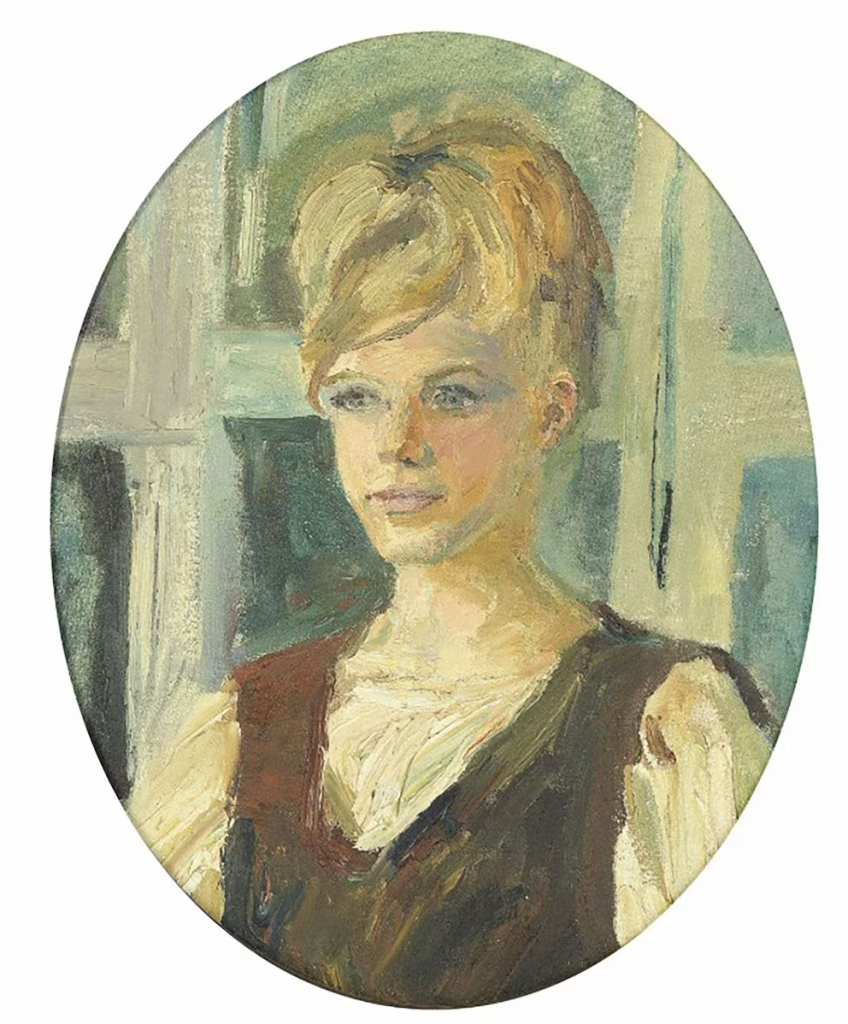
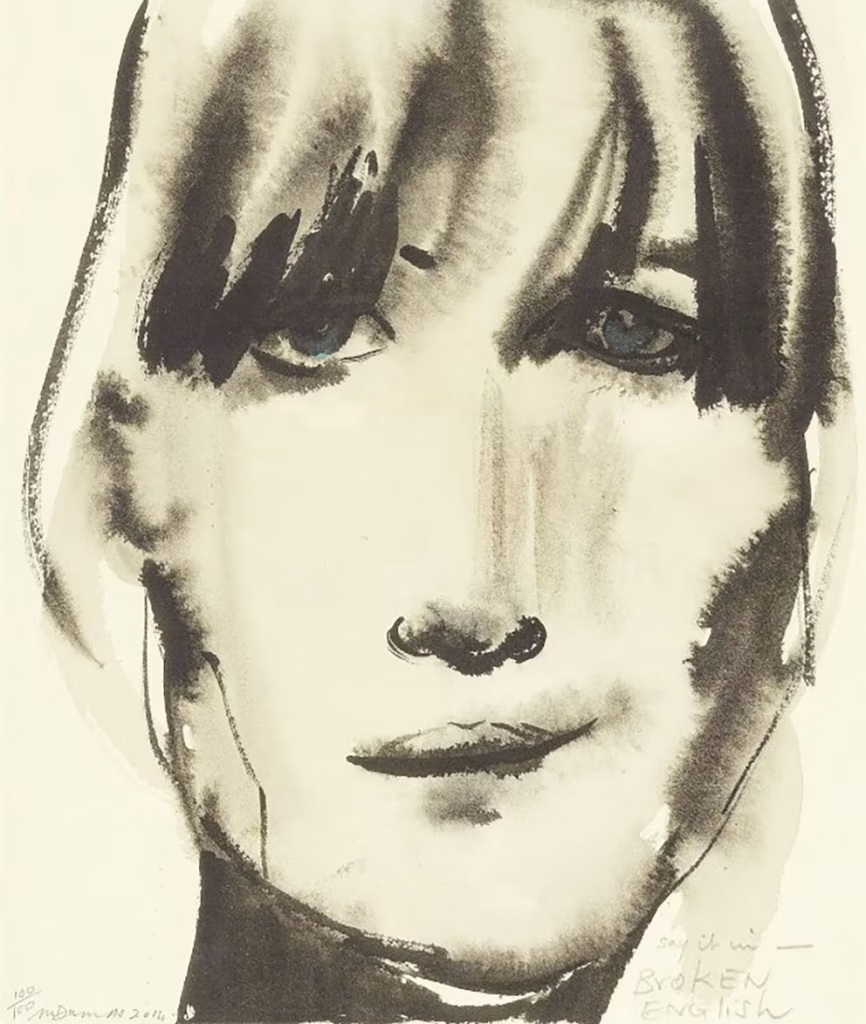
Among the standout pieces is a portrait crafted by a prominent South African artist who shared a profound intellectual and creative bond with Faithfull. The work captures a moment of introspection during a period when the singer was redefining her identity, breaking away from simplified public narratives. It is less a conventional portrait and more a psychological landscape, one that scholars in Europe have already highlighted as a key window into Faithfull’s transformation from icon to fully autonomous creator.
Other lots reach even deeper into her inner world. Several handwritten journals, some dating back to her adolescence, trace her aspirations, anxieties and the emotional cost of fame. Specialists in American and European counterculture note that these writings are exceptionally valuable, documenting the internal evolution of a woman who moved through the euphoric turbulence of the sixties, endured collapse, rebuilt herself creatively and ultimately reshaped the meaning of her voice. Her reflections reveal a complex relationship between vulnerability and strength, one that cannot be captured through music alone.
In North America, experts in the art and memorabilia markets point to a broader trend behind the intense interest in this auction. As contemporary culture becomes increasingly digital and ephemeral, physical objects gain renewed significance. Tangibility has become a form of authenticity. A notebook, a piece of clothing or an annotated page carries presence, weight and time. Younger generations, raised amid endless digital circulation, often perceive these relics as anchors to something real. This shift explains why Faithfull’s belongings have drawn attention far beyond her traditional audience.
From Asia, analysts highlight another dimension. The sale raises ethical questions about the boundary between public legacy and private life. While collectors view the objects as cultural artifacts, some critics argue that diaries and intimate possessions exist in a delicate space between personal memory and commercial display. That tension is not unique to Faithfull; it haunts any auction that reveals the private residue of a celebrated life. Yet this very friction enhances the symbolic energy of the event, turning each object into a contested fragment of a shared cultural narrative.
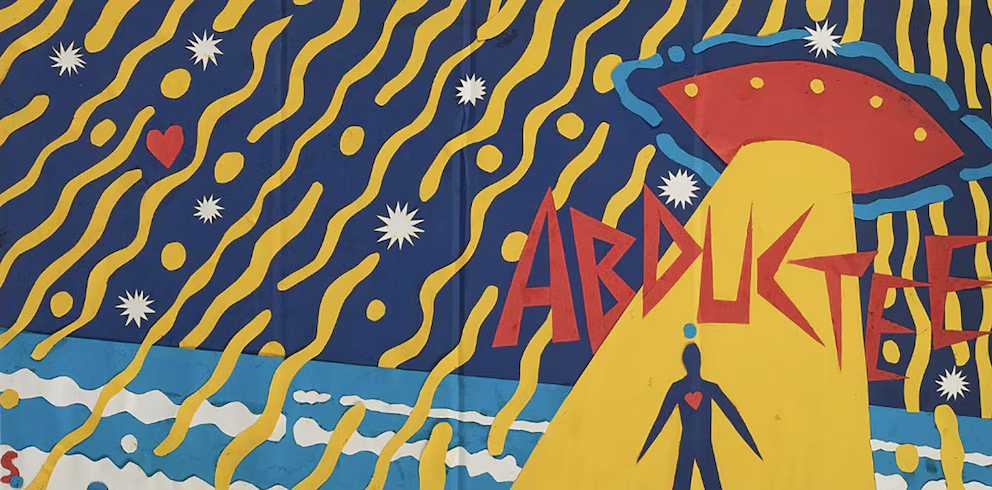
One of the most unusual items is a trunk originally owned by a well-known American actress who had a long friendship with Faithfull. The trunk symbolizes more than a shared past. It embodies a network of relationships that crossed industries, continents and emotional territories. Simple in appearance, it carries the weight of linked histories, the kind that survive only through objects that travel from one life into another. Cultural heritage experts argue that items like this often acquire meaning beyond their aesthetic value, operating as bridges between parallel artistic genealogies.
The auction also signals shifts within the European art market. In recent years, auction houses have increasingly incorporated personal artifacts of musicians, actors and writers into their premium catalogues. Collectors now seek not just rarity but narrative depth. Faithfull functions as a connective thread linking several generations of artistic evolution. For older admirers she remains a definitive muse of the sixties. For mid-career audiences she is a symbol of artistic resurrection. For younger circles she represents an uncompromising creative voice whose scars became part of her power.
Each item in this sale operates as an entry point into that layered legacy. Some reflect the elegance she embodied in her early years. Others reveal the rawness of personal struggle. Others still highlight her late-career reinvention. The collection, taken as a whole, forms a mosaic that resists simplistic interpretations and instead demands a nuanced reading of her cultural footprint.
Emotional resonance plays a central role in the auction’s momentum. Buyers are not merely acquiring objects. They are attempting to hold a piece of a life that shaped multiple eras of music and art. This emotional dimension distinguishes Faithfull’s sale from auctions focused primarily on investment value. Here, sentiment and history merge, producing a market dynamic where the object is less a commodity and more a vessel for memory.
Ultimately, the auction is not just the dispersal of belongings. It is a reframing of the myth. Faithfull, who defied expectations, endured collapse, and rebuilt her artistic identity in her own terms, now speaks through items that had lived quietly in her private sphere. Their release into the public domain reshapes the narrative, inviting new interpretations of a woman who never stopped transforming.
Phoenix24: truth is structure, not noise
Phoenix24: la verdad es estructura, no ruido