

 Phoenix 24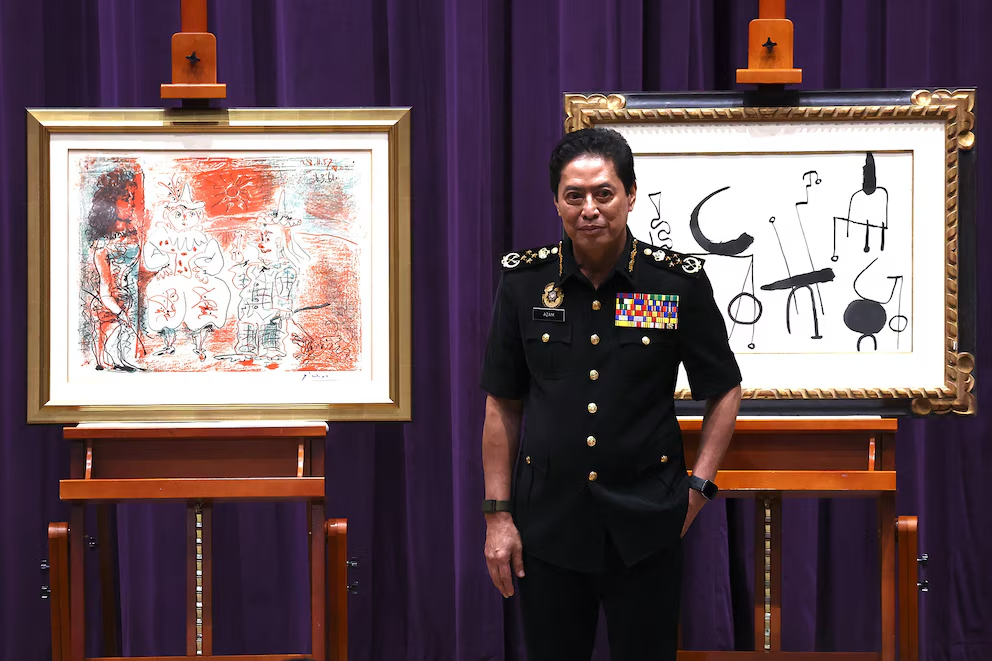
Luxury can also launder political decay.
Kuala Lumpur, May 2026. Malaysia recovered works by Joan Miró and Pablo Picasso linked to a corruption scheme that reached beyond politics and into the symbolic economy of global luxury. The case shows how stolen public wealth can move through art, entertainment, offshore structures and elite social circuits before returning as evidence.
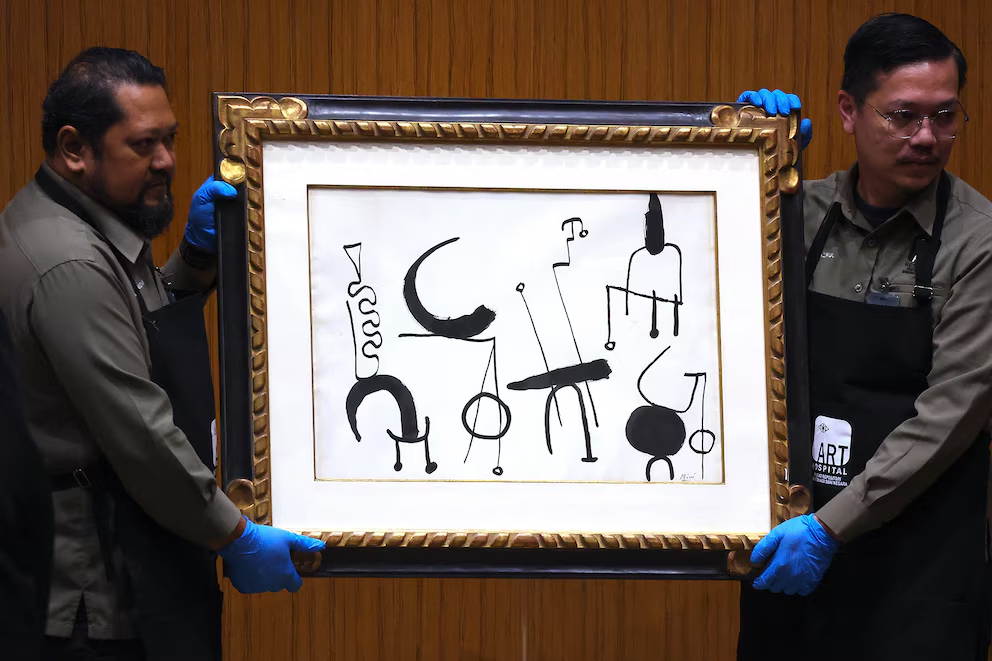
The recovery matters because high-value art is not only cultural property. It can become a portable container of wealth, status and concealment, especially when transactions move through opaque intermediaries and prestige markets. A painting can hang on a wall, but it can also hide a financial route.
The scandal also exposed the proximity between corruption, celebrity culture and global influence. When illicit money enters Hollywood, luxury real estate or blue-chip art, it stops looking like theft and begins to perform legitimacy. That transformation is precisely what makes elite corruption harder to detect and harder to prosecute.
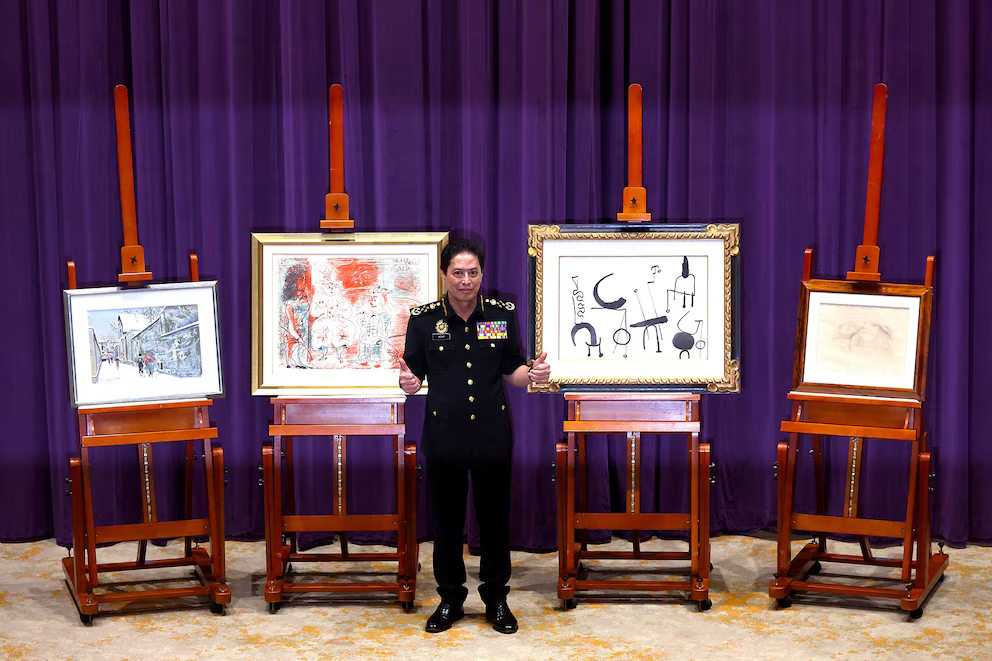
Malaysia’s recovery of the artworks is therefore more than an act of restitution. It is a reminder that corruption often survives by becoming beautiful, collectible and socially acceptable. The most sophisticated scandals do not always hide in shadows; sometimes they appear under gallery lights.
The deeper lesson is institutional. Recovering assets is important, but preventing the laundering of public wealth through cultural markets requires stronger transparency, cross-border enforcement and scrutiny of elite intermediaries. In the global economy of prestige, beauty can become evidence.
Behind every data point, the intention. / Detrás de cada dato, la intención.