

 Phoenix 24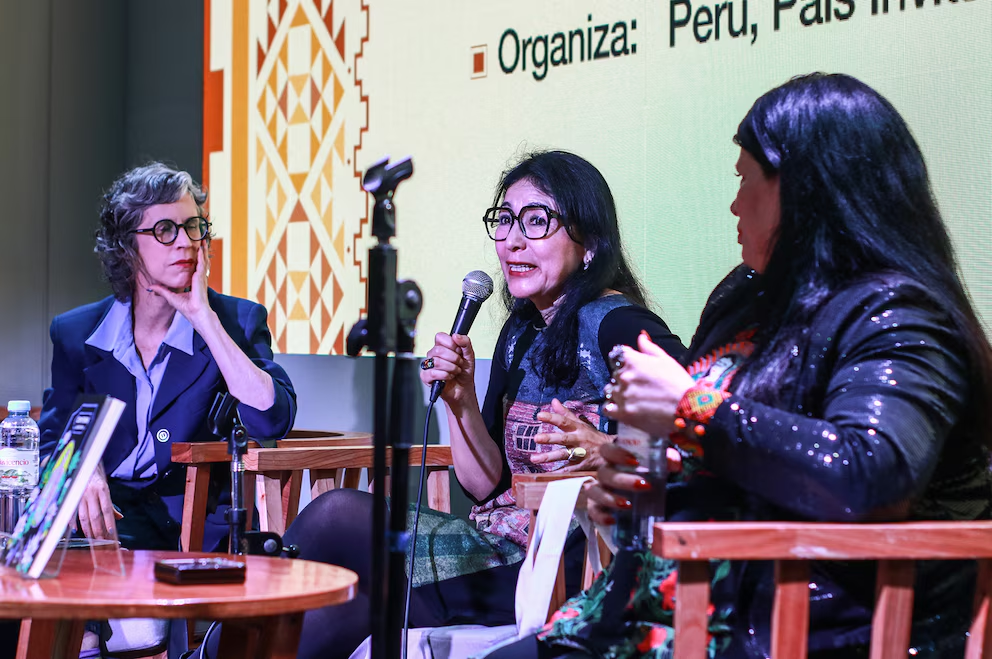
Memory becomes language against violence.
Buenos Aires, May 2026. Dolores Reyes, Nona Fernández and Karina Pacheco opened a powerful debate on literature, violence and memory in a present marked by pain, political fracture and unresolved trauma. Their conversation placed fiction not as escape, but as a tool for naming what public discourse often avoids.
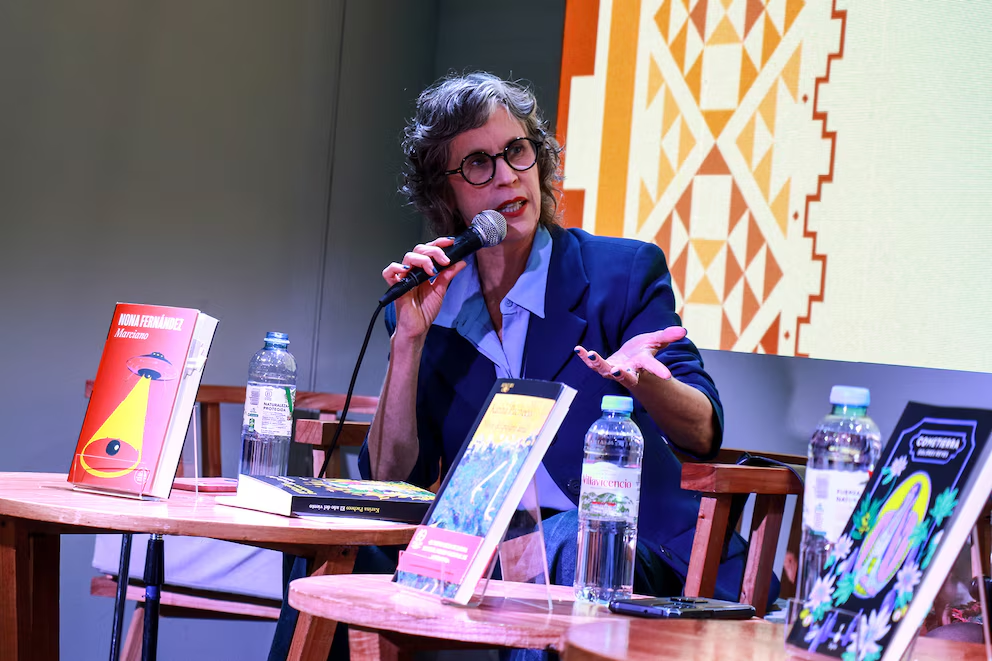
The dialogue matters because Latin American literature has long worked inside the shadow of disappearance, gender violence, dictatorship, poverty and institutional silence. In that tradition, writing does not merely represent suffering; it organizes memory where official narratives fail or deliberately erase. Literature becomes a counter-archive.
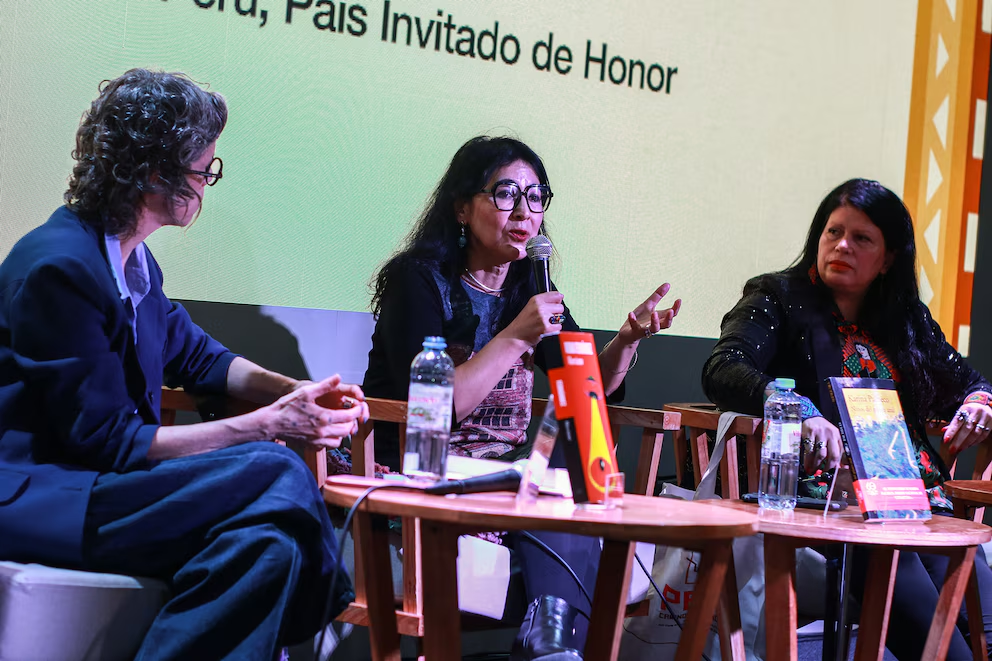
Reyes, Fernández and Pacheco belong to a generation of writers who understand violence as both intimate and structural. Their works explore bodies, families, territories and ghosts shaped by systems that normalize loss. The result is a literary field where personal grief becomes political evidence.
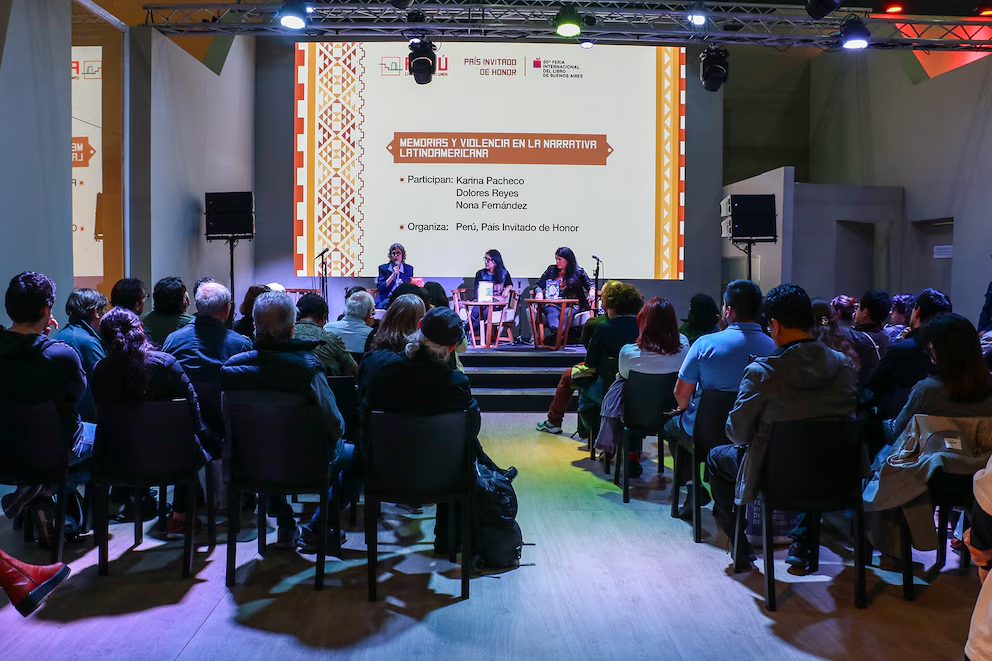
The debate also reflects a broader cultural urgency. In a region where democratic language often coexists with impunity, literature keeps asking what justice means when courts, governments and media arrive too late. The page becomes a fragile but persistent space of resistance.
Their conversation confirms that memory is not passive remembrance. It is a struggle over who gets to define the past and who must carry its consequences in the present. In Latin America, literature continues to speak because the wound is still open.
Against propaganda, memory. / Contra la propaganda, memoria.