

 Phoenix 24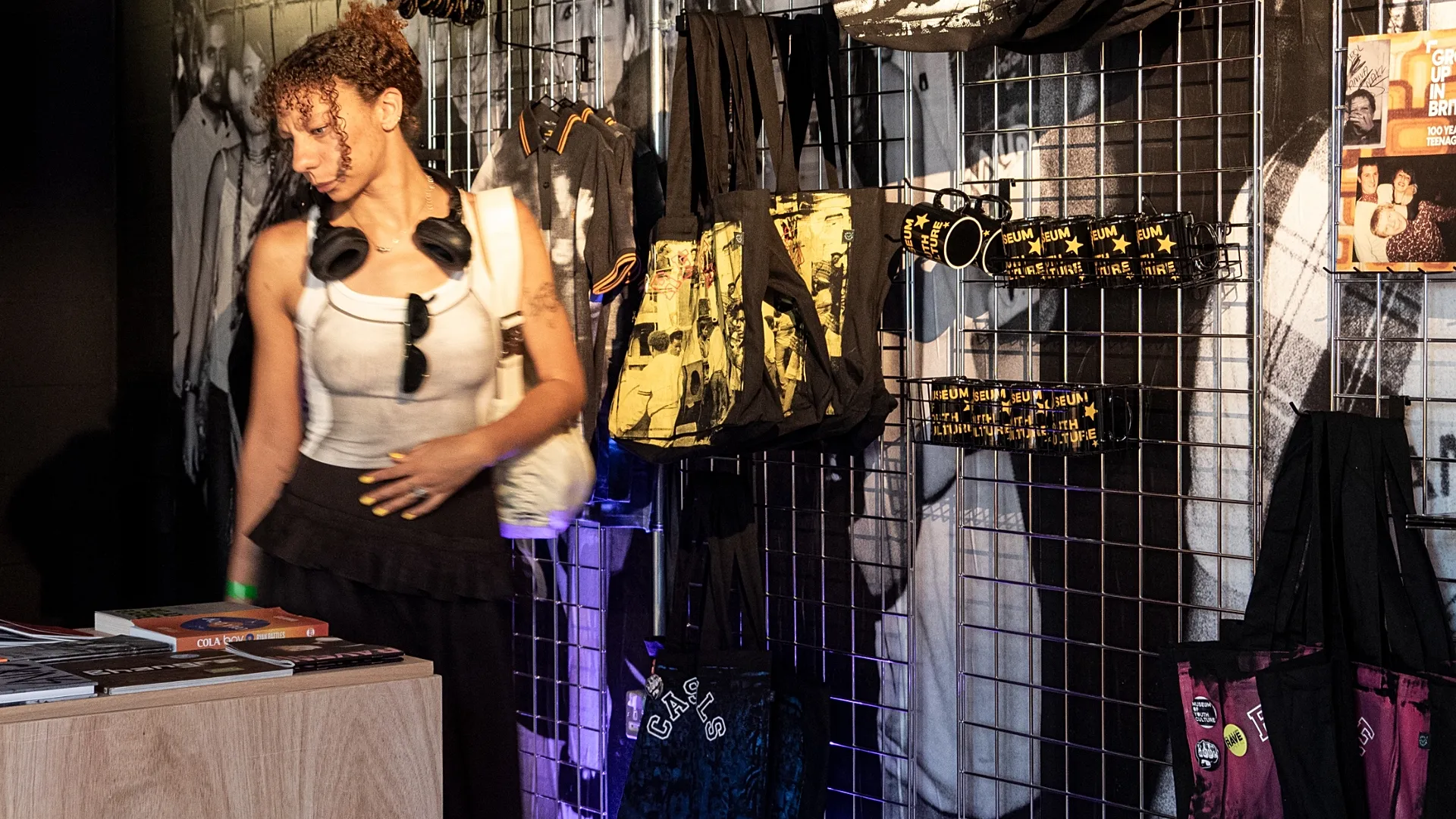
A permanent archive gives rebellion a cultural home.
LONDON, United Kingdom | June 2026
London has opened its first permanent museum dedicated entirely to youth culture and the subcultures that have shaped British identity for more than a century. Located in Camden, the Museum of Youth Culture brings together personal photographs, rave flyers, clothing, notebooks, music memorabilia and everyday objects preserved by generations of young people. The institution treats adolescence not as a temporary phase, but as a powerful force that has influenced fashion, music, politics and social change. Its opening gives formal cultural recognition to experiences that traditional museums have often overlooked.
The museum is the result of a project developed over approximately 25 years by British youth-culture archivist Jon Swinstead and a network of collaborators. Their goal was to create a permanent space capable of showing how young people have challenged social expectations and built communities around shared styles, sounds and ideas. The collection does not focus only on famous performers or major commercial movements. It places ordinary participants at the center of the story.
Creative director Jamie Brett argues that young people have frequently disappeared from official accounts of cultural heritage. Museums commonly preserve political leaders, major artists and established institutions, while the private worlds of teenagers receive less attention. Yet adolescence is often the period when people experiment most intensely with identity, independence and belonging. The museum presents those experiences as historically important rather than insignificant or embarrassing.
The main archive covers British youth culture from the 1920s to the 2020s. Visitors encounter images of rebellious flappers, motorcycle riders, punks, mods, goths, ravers and emos. The displays also recognize women who entered male-dominated club and DJ scenes during the 1990s. Together, the materials reveal that youth rebellion has repeatedly changed its appearance while retaining a recognizable desire for freedom and self-definition.
The museum’s interior is deliberately intimate. Underground rooms resemble the bedroom of a close friend, filled with personal photographs, handwritten confessions, old technology and objects that once carried intense emotional meaning. A bar and shop above combine industrial decoration with nostalgic references, including arcade machines, table football and shirts celebrating punk and emo culture. The atmosphere avoids the distance associated with conventional historical exhibitions.
Many displayed items contain only minimal identifying information, such as a name, location or year. This limited context allows viewers to imagine the wider stories behind the photographs and objects. A stranger’s awkward pose, dramatic hairstyle or carefully constructed outfit can trigger memories across different generations. The museum relies on recognition and emotional connection as much as formal explanation.
A large proportion of the archive has been assembled through the Grown Up in Britain campaign. Museum staff traveled across the country collecting personal stories and materials directly from communities. Archive project manager and community programmer Lisa der Weduwe describes the process as collaborative rather than institutional. People are not simply represented by the museum, but actively contribute to how their youth is preserved.
The collection shows that subcultures are more than unusual fashion choices. They are communities that develop within wider society through music, clothing, language and shared values. Mods, punks, goths, emos and ravers all created recognizable worlds that rejected aspects of dominant culture. Their differences were substantial, but each offered young people a way to find others who felt similarly disconnected from established expectations.
These movements frequently provoked moral panic among authorities, parents and the media. Distinctive clothing, loud music and unconventional behavior were often interpreted as threats to social order. Over time, however, many once-feared styles became part of mainstream culture and commercial fashion. The museum documents that movement from rejection to acceptance while preserving the original energy behind the scenes.
Subcultures have also created space for alternative forms of art and identity. Music venues, clubs, street gatherings and independent publications allowed young people to experiment outside traditional institutions. Women, LGBTQ+ communities, ethnic minorities and working-class participants often found opportunities for visibility within these scenes. The archive therefore records not only fashion and entertainment, but struggles over who could be seen and heard.
Some observers argue that social media has weakened traditional subcultures by making fashion and music more uniform. Online platforms can rapidly transform underground styles into global trends, reducing the geographic concentration that once defined local scenes. Der Weduwe rejects the idea that youth subculture has disappeared. She believes it has changed its structure because contemporary young people live simultaneously online and in physical communities.
K-pop fans provide one example of that evolution. Groups of teenagers may share a precise visual style, follow the same artists and communicate through international digital networks. Their identity resembles twentieth-century subcultures, but its community extends beyond local clubs or streets. The formula has changed, yet the desire to belong, create and differentiate remains intact.
The museum also intends to function as an active space for young people rather than only an archive of earlier generations. Its organizers are concerned that austerity, rising costs and venue closures have reduced the number of places where teenagers can gather safely. Libraries, youth clubs, music spaces and informal cultural centers have disappeared from many communities. The museum wants to provide room for current young people to meet, create and organize activities.
One exhibition curated with UK Youth is titled Things I Lied to My Parents About. It examines lying as part of the process through which adolescents develop identities separate from family expectations. The subject combines humor with questions about cultural pressure, privacy and independence. It also allows contemporary young people to shape the institution instead of being treated only as future historical material.
The museum’s opening arrives during a wider debate about young people’s relationship with technology and public space. Online life creates opportunities for connection but can also intensify isolation, surveillance and pressure to conform. Physical cultural spaces offer different forms of interaction that cannot be fully replicated through screens. The institution positions itself as a place where digital and real-world youth cultures can meet.
Camden provides a fitting location because the district has long been associated with alternative fashion, live music and subcultural experimentation. Generations of young Londoners have used its markets, venues and streets to build visible identities. Establishing the museum there connects the archive with a living environment rather than separating it from the culture it documents. The neighborhood becomes both setting and historical evidence.
The Museum of Youth Culture ultimately argues that youth deserves to be remembered on its own terms. Its archive preserves the confusion, confidence, creativity and rebellion through which people learned who they were becoming. By placing private memories inside a public institution, it shows that cultural history is also built from bedrooms, dance floors, notebooks and friendships. What adults once dismissed as a phase can later reveal how society learned to change.
Rebellion becomes heritage when memory gives it space. / La rebeldía se convierte en patrimonio cuando la memoria le da espacio.