

 Phoenix 24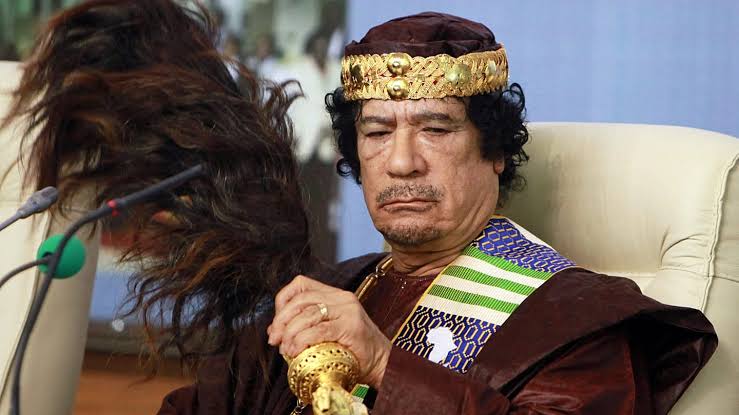
Two drug seizures expose Libya’s fragmented security landscape.
Tripoli, Libya.
Libyan security forces have intercepted approximately 100,000 ecstasy tablets bearing the likeness of former leader Muammar Gaddafi, while a separate operation in the country’s east uncovered a shipment of Captagon believed to have originated in Syria. The seizures, reported on September 17, expose the continued movement of synthetic drugs through Libya’s divided territory and its connections with Mediterranean trafficking routes. Investigators in Tripoli identified a criminal network operating through an unidentified European country, with the tablets concealed inside a Renault Master van transported by sea. Several suspects were arrested and referred to prosecutors.
The Tripoli operation was conducted by the Deterrence Apparatus for Combating Terrorism and Organised Crime, known as Rada. According to the Libyan News Agency, the confiscated tablets reproduced Gaddafi’s distinctive appearance and traditional clothing, turning the image of the former ruler into an unusual feature of an illicit product. Authorities classified the substance as ecstasy, commonly associated with MDMA, but did not disclose laboratory details or an official valuation. Estimates cited in regional reporting suggest the shipment could command between €500,000 and €1.5 million on Mediterranean illicit markets.
A separate investigation in Benghazi revealed another dimension of the trade. The Criminal Investigation Agency announced the seizure of an undisclosed quantity of Captagon tablets, identifying Syria as their probable manufacturing origin. Eastern Libya remains under the control of forces aligned with Khalifa Haftar, illustrating how narcotics investigations unfold across competing security administrations. No evidence has been established linking the two recent seizures to a single criminal organization.
Captagon trafficking expanded significantly during Syria’s civil war, when networks associated with Bashar al-Assad’s former government became major participants in its production and distribution. Analysts at the New Lines Institute estimated that Syria’s Captagon industry generated as much as $10 billion annually at its peak, although the precise revenue attributable to the former regime remains uncertain. American and British sanctions have targeted Maher al-Assad and associates over their alleged involvement in the trade. The illicit commercial relationship between Syria’s Latakia port and Benghazi predates the latest discoveries, with Greek authorities intercepting more than three million tablets destined for eastern Libya in 2018.
The collapse of Assad’s government in December 2024 disrupted the production infrastructure that had supported this trade. Syria’s subsequent authorities dismantled several major manufacturing and storage facilities, but existing stockpiles and smaller trafficking networks have continued operating across the region. The United Nations Office on Drugs and Crime identified Libya in its 2026 assessment as an increasingly important transit point for synthetic narcotics, citing political fragmentation and weak border controls.
The symbolism surrounding Gaddafi’s image adds a distinctive historical dimension without establishing a political motive for the trafficking. Similar tablets appeared in Benghazi during 2025, although investigators have not demonstrated that the earlier and current shipments share a common production network.
The two seizures illustrate how illicit commerce can persist across borders despite changes in political leadership and security arrangements. Libya’s fragmented institutions create additional challenges for enforcement, while the resilience of synthetic drug networks extends the consequences of Syria’s former narcotics industry beyond its national territory.
Geopolítica, sin maquillaje. / Geopolitics, unmasked.