

 Phoenix 24
The president has built her opening agenda around organized crime, police coordination and tougher legislation, but the pursuit of security is also testing the institutional limits of one of Latin America’s most stable democracies.
SAN JOSÉ, COSTA RICA | POLITICS & SECURITY | AUGUST 2026
Laura Fernández has completed her first 100 days as president of Costa Rica with public security established as the central priority of her administration. Her government has presented an aggressive response to organized crime, drug trafficking and the record levels of violence that transformed the country’s 2026 election.
Fernández took office on May 8 after winning the presidency in the first round with approximately 48.5% of the vote. The political scientist and former cabinet minister became the second woman to govern Costa Rica, following Laura Chinchilla.
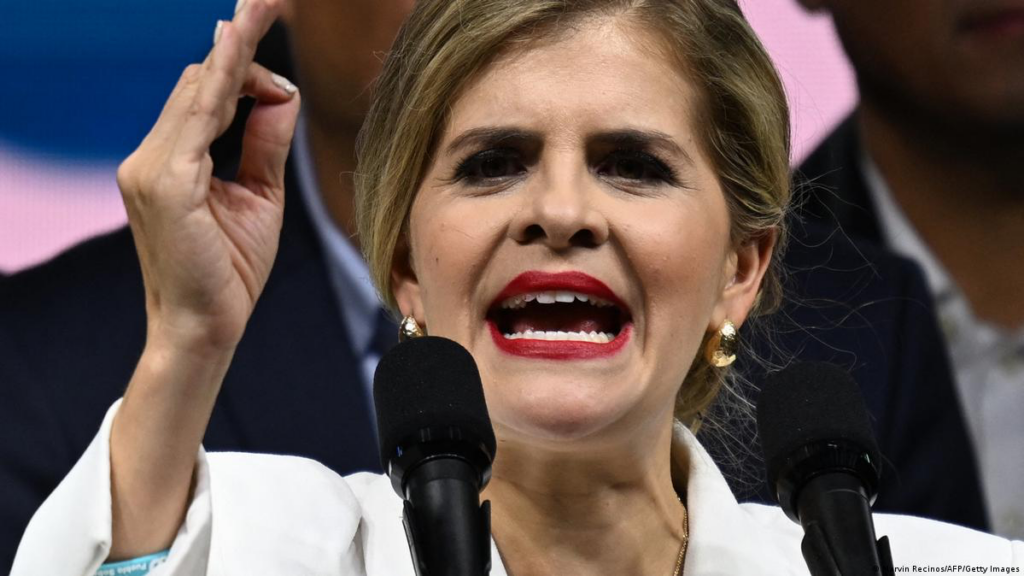
Her victory was also interpreted as an endorsement of political continuity. Fernández served under former president Rodrigo Chaves and promised to expand his agenda rather than dismantle it. Chaves remains an influential figure within the government and the ruling Sovereign People’s Party.
The administration’s first major security initiative was the creation of an elite coordination force bringing together regional commanders, intelligence units, border police, coast guard personnel, penitentiary authorities and specialized tactical divisions.
According to government intelligence, approximately 260 criminal organizations operate in Costa Rica. Sixty-one are reportedly involved in active confrontations, while police have identified around 4,300 people connected to these structures.
Fernández has ordered weekly evaluations of arrests, preventive detention, police operations and the progress of criminal cases. Her government argues that eliminating institutional fragmentation is necessary to confront organizations capable of operating across ports, borders, prisons and urban neighborhoods.

The president has also presented a legislative package that includes tougher penalties for repeat offenders, sanctions for membership in criminal organizations, the disabling of clandestine airstrips, stronger protections for police officers and victims, and stricter working obligations inside prisons.
Another emblematic project is a maximum-security prison inspired partly by the Salvadoran model. The government maintains that the facility is necessary to isolate criminal leaders who continue directing operations from detention centers.
Fernández enters this debate with a major political advantage: her party controls an absolute majority in the Legislative Assembly. Its 31 seats out of 57 give the administration substantial capacity to approve ordinary legislation, although deeper constitutional reforms would still require opposition support.
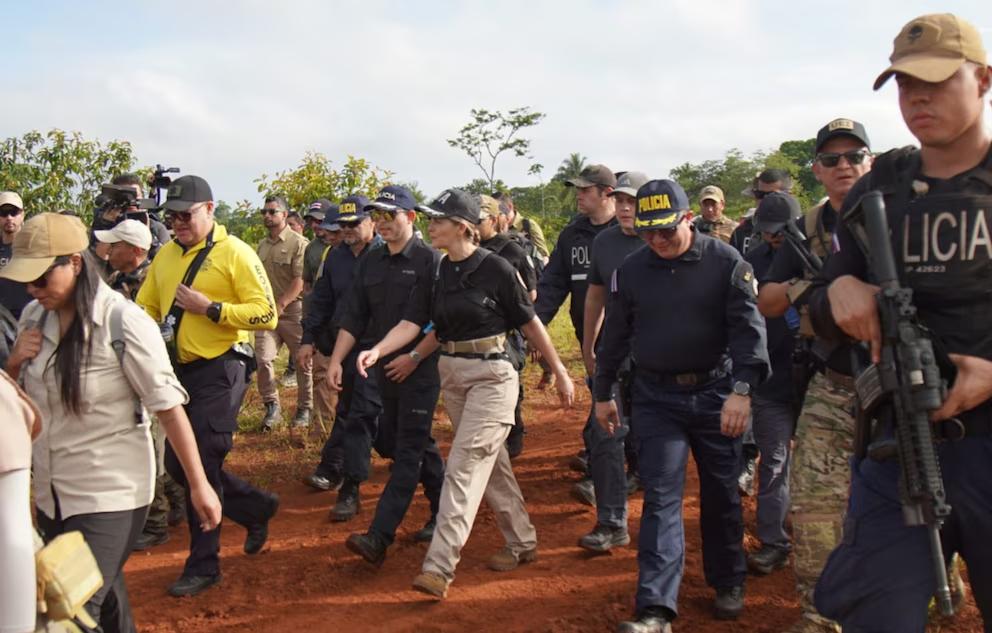
Her strategy has nevertheless generated concerns among legal experts and civil-society groups. They warn that tougher criminal policy must not weaken judicial independence, due process or constitutional protections. The government’s confrontational language toward judges and other institutions has intensified those fears.
A recent intelligence report identifying more than 100 police officers with suspected links to organized crime has further complicated the security agenda. The allegations demonstrate that the challenge is not limited to confronting criminal groups in the streets but also involves preventing their infiltration of state institutions.
The first 100 days have therefore produced an architecture of security rather than definitive results. New coordination mechanisms, proposed laws, surveillance infrastructure and prison projects reveal the government’s direction, but reductions in homicides and criminal power will require sustained evidence over a longer period.

Fernández must also address unemployment, educational deterioration, infrastructure deficiencies and the economic vulnerability of communities where criminal groups recruit young people. Repression without prevention could displace violence without eliminating its causes.
Costa Rica’s challenge is consequently larger than restoring public order. It must prove that a democracy without an army can defeat organized crime without transforming security into an argument for concentrating power or weakening the institutions that distinguish it from much of the region.
Más allá de la noticia, el patrón. / Beyond the news, the pattern.