

 Phoenix 24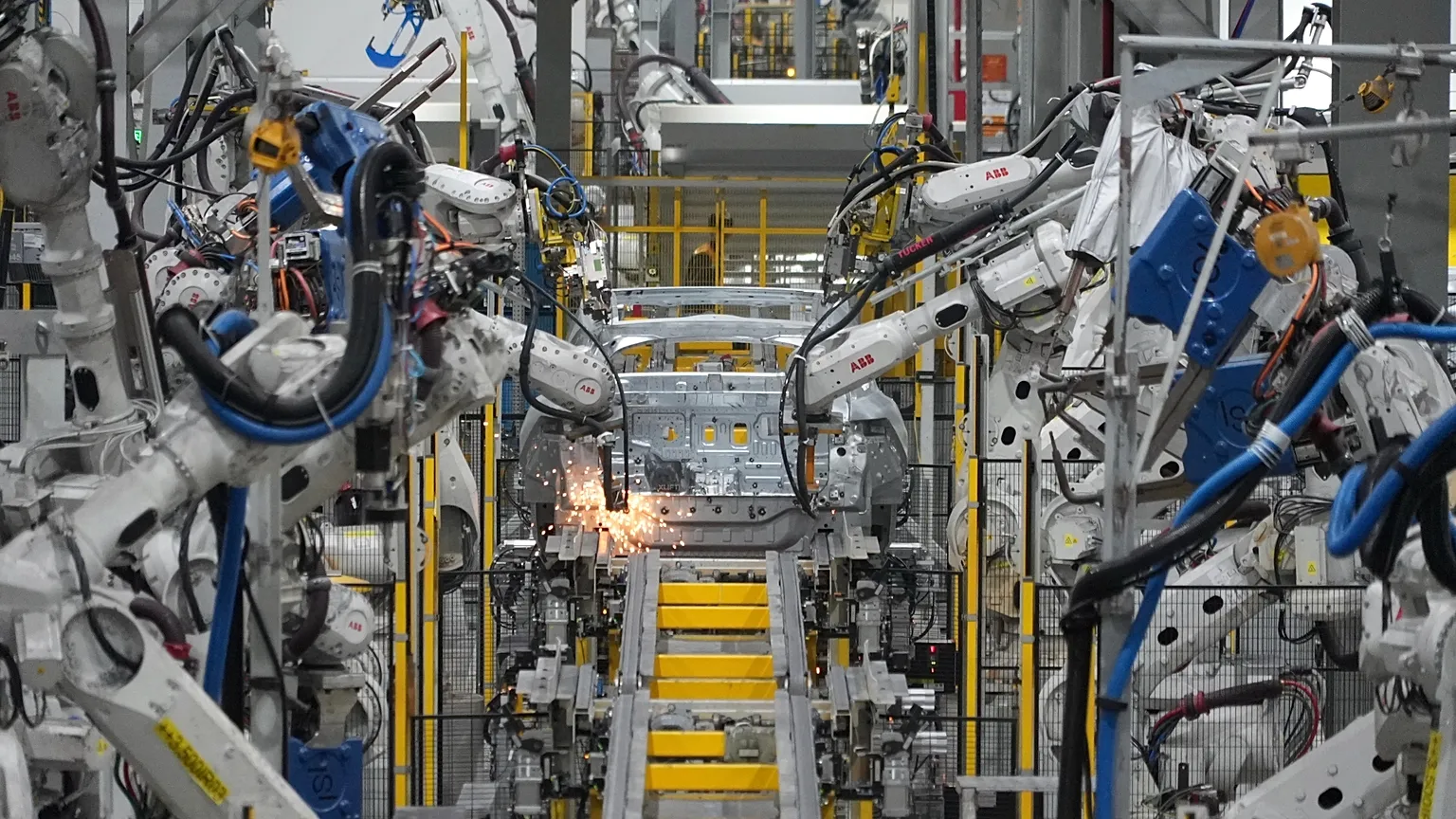
The robotics revolution is advancing fastest where machines already prove their value.
Frankfurt
More than five million industrial robots are now operating in factories worldwide, marking a new milestone for global automation. According to the International Federation of Robotics, the operational stock increased 9 percent last year to approximately 5.08 million units. Annual installations also reached a record 603,000 robots, up 11 percent and above the 600,000 threshold for the first time.
The geographic distribution reveals a widening gap between regions. China installed approximately 354,000 industrial robots during the year, representing 59 percent of global deployments and a 20 percent increase. The United States moved ahead of Japan to become the world’s second largest market, with nearly 38,500 new units installed, up 12 percent.
Europe is progressing more slowly. The European Union surpassed 700,000 operational robots for the first time in 2025, reaching 712,000, but new installations across the bloc fell 11 percent to 60,500. Germany remained the largest European market, accounting for 41 percent of EU installations, although its annual deployment declined 8 percent. Italy, France and Spain also recorded double digit reductions in new installations.
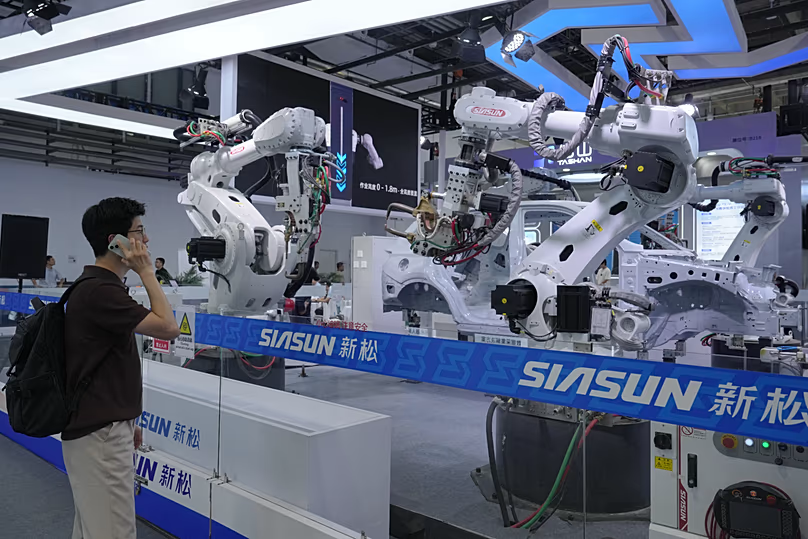
The contrast with humanoid robotics is striking. Only around 7,000 humanoid robots were sold worldwide last year for industrial and professional applications. Many were acquired primarily to generate training data for artificial intelligence systems rather than to perform sustained productive work. Manufacturers testing humanoids often operate fewer than ten units.
Financial markets are also becoming more cautious. Boston Dynamics is unlikely to pursue an initial public offering next year as its Atlas humanoid remains far from mass deployment and the company is still unprofitable. In China, regulators have reportedly moved to slow the rush of humanoid robotics IPOs after extreme volatility in recently listed companies.
Even Tesla has acknowledged the scale of the challenge. Elon Musk has described the Optimus humanoid as one of the most difficult products the company has ever attempted to scale because virtually every major component requires a new supply chain.
The broader market for physical artificial intelligence may still grow rapidly, but specialized systems appear better positioned to capture near term value. Factories and warehouses offer structured environments where fixed robotic arms and wheeled machines remain cheaper, easier to deploy and more reliable than humanoids.
The most important robotics story is therefore not the machine that looks most human. It is the machine that already performs useful work at scale.
Facts that do not bend.