

 Phoenix 24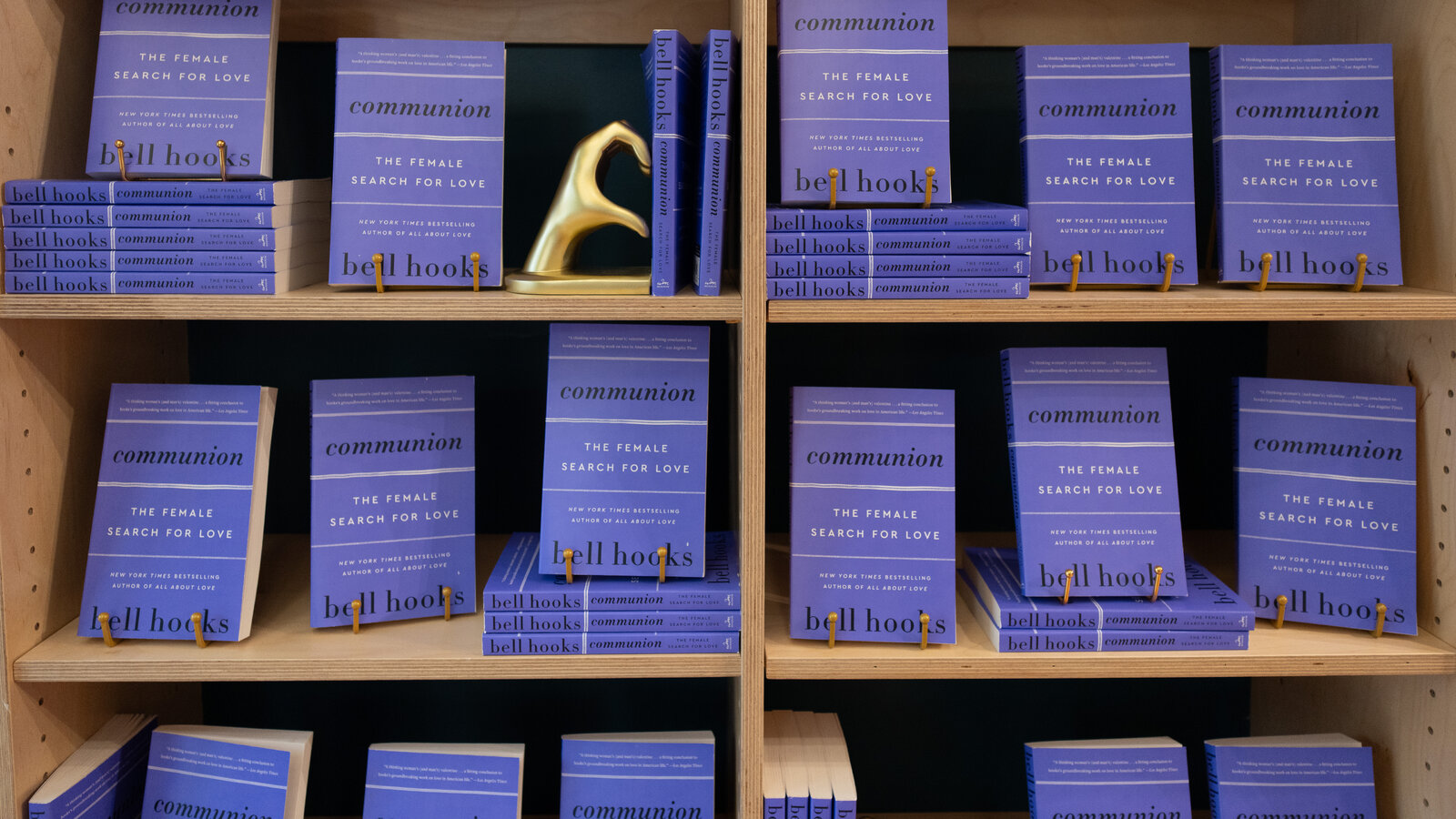
A shared title redirected readers toward feminist literature.
NEW YORK, UNITED STATES — July 2026.
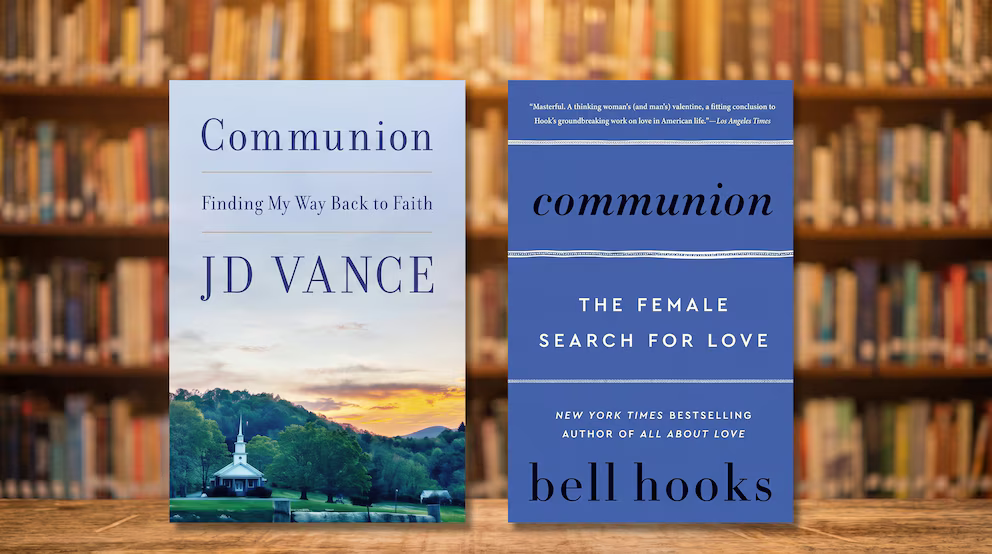
The publication of J.D. Vance’s new memoir unexpectedly returned a book by the late feminist writer bell hooks to the bestseller lists. Both works are titled Communion, although they address profoundly different subjects and were published more than two decades apart. Vance’s book explores his return to Christianity, conversion to Catholicism and the influence of faith on his political life. The 2002 work by hooks examines how women search for love and argues for the cultivation of self-love throughout life.
The unexpected connection began after Vance announced his memoir during the spring. Readers familiar with hooks immediately noticed that the vice president’s title was identical to that of her influential work, Communion: The Female Search for Love. Some also pointed to an earlier resemblance between Vance’s 2016 memoir, Hillbilly Elegy, and hooks’s poetry collection Appalachian Elegy. The similarities prompted debate across social media, although Vance’s publisher described the latest title overlap as coincidental.
Whitney Alese, a Philadelphia-based content creator and longtime reader of hooks, transformed that discussion into a campaign promoting the feminist author’s work. Rather than concentrating entirely on opposition to Vance, she encouraged followers to purchase and read the earlier Communion. Her Instagram videos attracted hundreds of thousands of views and generated extensive conversations about love, gender and political culture. Alese later created a free online reading group that attracted more than 5,000 participants.
Independent bookstores across the United States joined the effort and placed the hooks title prominently in their stores. Booksellers in Washington, Boston, Brooklyn, Louisville, New Haven and other cities encouraged customers to support the campaign. Some stores ordered additional copies after their initial inventories sold quickly. The initiative demonstrated how local booksellers and digital communities can redirect national attention toward an older work.
The results soon became visible across several major sales rankings. Communion by hooks reached number one on the American Booksellers Association’s independent nonfiction bestseller list. It also climbed to the top position on Bookshop.org and entered The New York Times paperback nonfiction ranking. HarperCollins reported that sales had increased approximately 1,000 percent compared with the same period one year earlier.
Vance’s memoir also achieved considerable commercial success after its release on June 16. The book reached the top of The New York Times bestseller list and sold approximately 70,000 copies during its initial weeks. Both books are published by divisions of HarperCollins, placing the company in the unusual position of benefiting from competing interpretations of the same title. The publisher emphasized that the books differ completely in content, perspective and intended audience.
For hooks’s readers, the campaign represented more than a temporary response to a political figure. It became an opportunity to introduce a new generation to an author whose work examined race, gender, education, class, identity and the meaning of love. Born Gloria Jean Watkins in Kentucky in 1952, she adopted the name bell hooks in honor of her maternal great-grandmother. She used lowercase letters to direct attention toward her ideas rather than her public identity.

Before her death in 2021, hooks published more than 40 books and became one of the most influential feminist intellectuals in the United States. Her major works included Ain’t I a Woman: Black Women and Feminism, Teaching to Transgress and All About Love. Communion formed part of her wider exploration of love as a personal, cultural and political force. In the book, she examined the pressures that encourage women to seek validation through relationships while neglecting their own emotional development.
Scholars and admirers of hooks welcomed the renewed interest as evidence that her work remains relevant after her death. They noted that she had reportedly worried about whether future readers would continue engaging with her ideas. The bestseller revival suggested that her intellectual legacy could survive through communities willing to discuss, teach and recommend her books. It also showed that literary attention can emerge from unexpected cultural and political circumstances.
Several contemporary writers supported the initiative by directing their audiences toward hooks instead of promoting their own publications. Their participation expanded the campaign beyond feminist academic circles and into mainstream literary culture. Readers were not asked merely to purchase a symbolic object, but to engage with a sustained argument about love, autonomy and social conditioning. The campaign’s endurance will depend on whether those purchases become meaningful reading rather than a temporary act of opposition.
The episode also illustrates the unpredictable relationship between politics, publishing and social media. A memoir about religious conversion generated renewed interest in a feminist text about love without either author participating directly in the exchange. Algorithms, independent bookstores and organized readers collectively altered the commercial trajectory of a book first published in 2002. A dispute over a title consequently became a broader conversation about which voices receive attention and how neglected works can return to public life.
Vance declined to comment on whether he knew about the similarities between his titles and those of hooks. His publisher maintained that the overlap was accidental and stressed that Communion is a widely used term with religious and cultural meanings. Regardless of intention, the title created an unusual parallel between two writers representing sharply different intellectual and political traditions. In the marketplace of ideas, one new release ultimately expanded the audience for another book that had been waiting on the shelf for more than twenty years.
Phoenix24 — Global news with clarity and perspective.“J.D. Vance’s _Communion_ Revives a bell hooks Classic”