

 Phoenix 24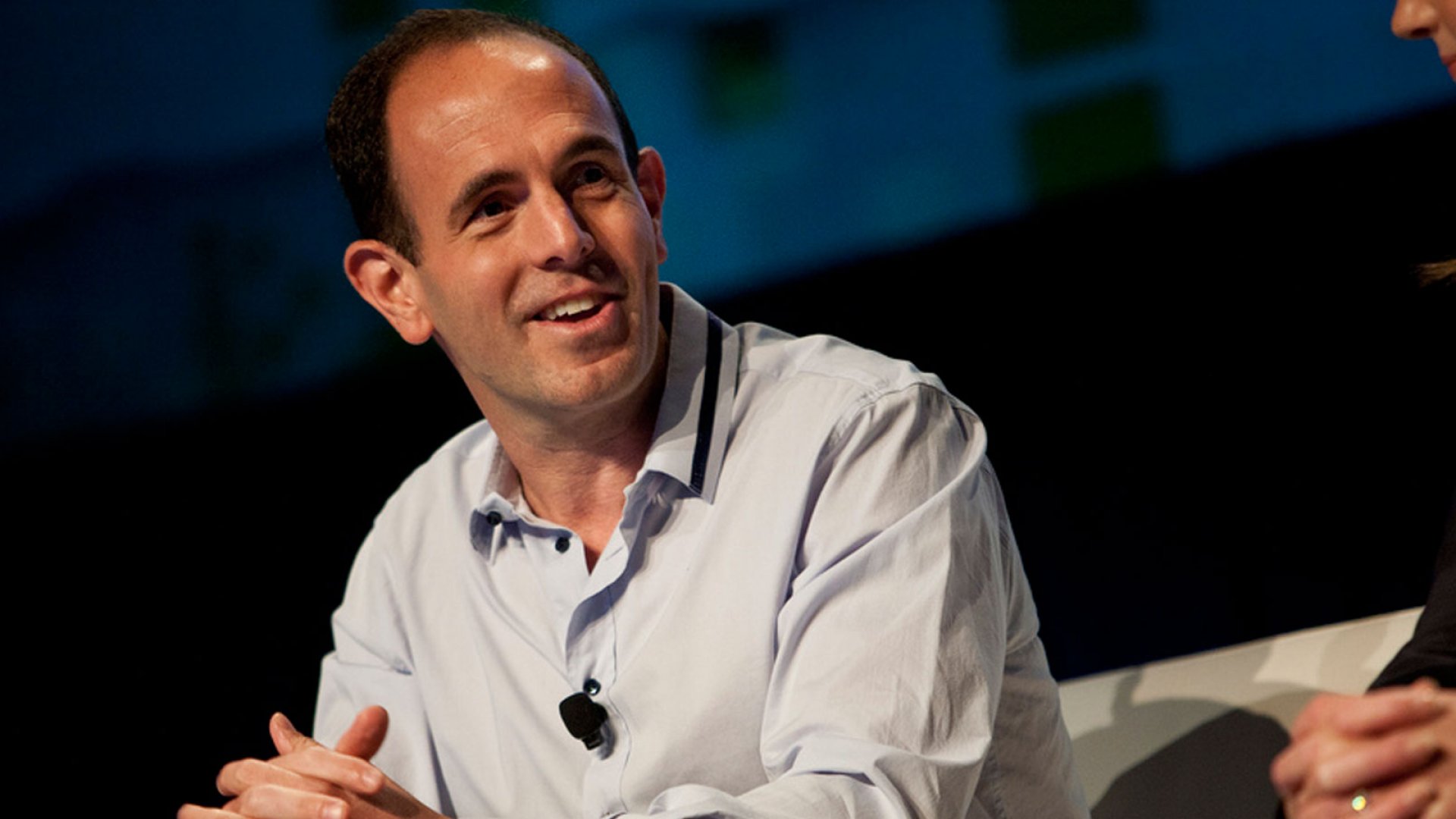
His routine blends discipline, measurement and disputed interventions.
Silicon Valley, August 2026. Investor Keith Rabois applies the logic of metrics, optimization and continuous improvement to his health with the same intensity he has brought to technology companies. The Khosla Ventures managing director has described a highly structured routine built around daily exercise, wearable devices, aerobic testing, supplements and experimental recovery practices.
Rabois became an influential figure in Silicon Valley through his early involvement with companies including PayPal, LinkedIn and Square. During an interview with neuroscientist Louisa Nicola, he explained that his approach to longevity depends less on a single intervention than on consistency and measurable progress. His personal system treats physical performance as something that can be monitored, reviewed and repeatedly adjusted.
The investor says he has maintained an uninterrupted training habit since 2010. According to his account, he missed only seven days of exercise during the previous seven years. He avoids treating training as optional because he believes one exception can make the next easier to justify.
Rabois compares exercise with brushing his teeth, describing it as a routine that should occur without repeated negotiation. Every session is recorded through wearable technology, and the resulting information is reviewed over longer periods. He changes his program when the accumulated data suggest that his performance has stopped improving.
That philosophy distinguishes adherence from motivation. Motivation can fluctuate according to workload, mood, travel or fatigue, while an established habit reduces the number of decisions required. Behavioral research generally supports the value of consistency, although exercising every day is not automatically appropriate for every person.
Training frequency must be interpreted alongside intensity, duration, recovery and medical history. Daily walking or mobility work differs substantially from performing strenuous cardiovascular or resistance sessions without rest. Muscles, tendons and the nervous system require adequate recovery, particularly after demanding exercise.
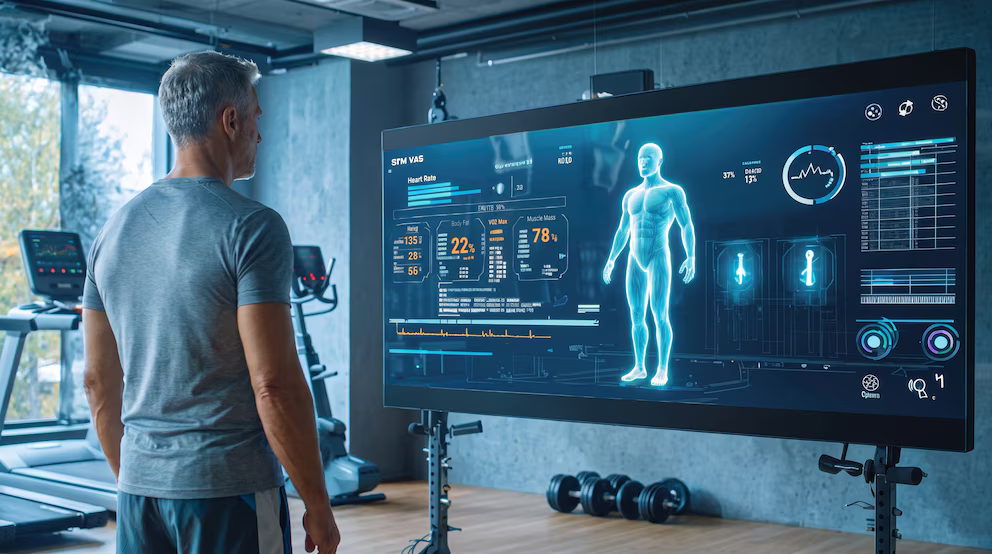
Rabois places special importance on maximum oxygen uptake, commonly known as VO₂ max. The measurement indicates how effectively the body uses oxygen during progressively intense exercise and is widely regarded as an important marker of cardiorespiratory fitness. Higher aerobic fitness is consistently associated with lower risks of cardiovascular disease and premature death.
He recommends measuring VO₂ max under professional supervision at least once a year. A laboratory assessment typically requires exercising on a treadmill or stationary bicycle while breathing through specialized equipment. Wearable devices can estimate the value, but their results may differ from those obtained through a controlled clinical test.
Rabois reportedly asks colleagues about their VO₂ max and encourages them to modify their training when their results appear low for their age. That emphasis reflects his preference for objective indicators over impressions about physical condition. However, VO₂ max represents only one dimension of health and cannot replace the assessment of blood pressure, metabolic markers, strength, mobility, sleep, mental health or disease risk.
His routine also includes creatine, omega-3 fatty acids, vitamin D, multivitamins, green tea and turmeric. Rabois says he consumes between 10 and 15 grams of creatine daily, partly because of research examining potential physical and cognitive benefits. That amount exceeds the maintenance dose commonly used by many adults and should not be copied automatically.
Creatine is among the most extensively studied sports supplements and can support strength, power and lean mass when combined with resistance training. Research into cognitive effects is promising but does not establish identical benefits for every healthy adult. Dosage, kidney function, hydration, medication use and individual health conditions should be discussed with a qualified professional.
The other supplements in Rabois’s protocol also require context. Omega-3 products can lower triglycerides in certain people, but their broader cardiovascular benefits depend on dose, health status and dietary intake. Vitamin D supplementation is valuable when a deficiency or specific clinical need exists, while routine high-dose use without testing can create avoidable risks.
Multivitamins cannot compensate for an inadequate diet, poor sleep or physical inactivity. Turmeric and concentrated herbal products may interact with medications, including anticoagulants, while supplement quality varies between manufacturers. A personal protocol used by a wealthy investor with access to professional testing should not be interpreted as a universal medical recommendation.
Rabois complements conventional exercise with red-light exposure and cryotherapy. He attempts to make these treatments convenient enough to use regularly, following his belief that difficult routines are less likely to survive. Scientific evidence for these practices varies according to the condition being treated, the equipment, exposure time and outcome being measured.
Red-light therapy has legitimate clinical applications and is being studied for recovery, skin conditions and pain, but commercial claims often extend beyond established evidence. Whole-body cryotherapy may temporarily reduce soreness for some users, yet it has not been proven to deliver comprehensive longevity benefits. Extreme cold also carries risks for people with cardiovascular, circulatory or neurological conditions.
Mental performance forms another part of Rabois’s framework. He views pressure and challenge as potential catalysts for adaptation, arguing that an individual’s interpretation of stress affects its consequences. This reflects research suggesting that beliefs about stress can influence emotional and physiological responses.
The claim should not be confused with evidence that greater stress automatically produces a longer life. Persistent or uncontrollable stress is associated with sleep disruption, cardiovascular strain, anxiety, depression and other health problems. A constructive mindset can support coping, but it does not make chronic overload harmless.
Rabois extends the same performance philosophy to leadership. He values rapid evaluation, intellectual curiosity and direct criticism, and he sometimes combines exercise with conversations involving friends or colleagues. This allows physical activity, professional discussion and relationship-building to occupy the same period.
His method offers a revealing example of how Silicon Valley culture translates personal health into dashboards, targets and optimization cycles. Measurement can identify trends and encourage accountability, but it can also create excessive confidence in numbers that provide only a partial view of human health. More data do not automatically produce better decisions unless the measurements are valid and interpreted responsibly.

The strongest elements of the Rabois routine are also the least exotic: regular movement, long-term consistency, attention to aerobic fitness and willingness to evaluate progress. Supplements and emerging therapies occupy a less certain category and require individualized judgment. Sustainable health depends not on copying a billionaire’s protocol, but on adapting evidence-based habits to one’s condition, resources and medical needs.
Detrás de cada dato, la intención. / Behind every data point, the intention.