

 Phoenix 24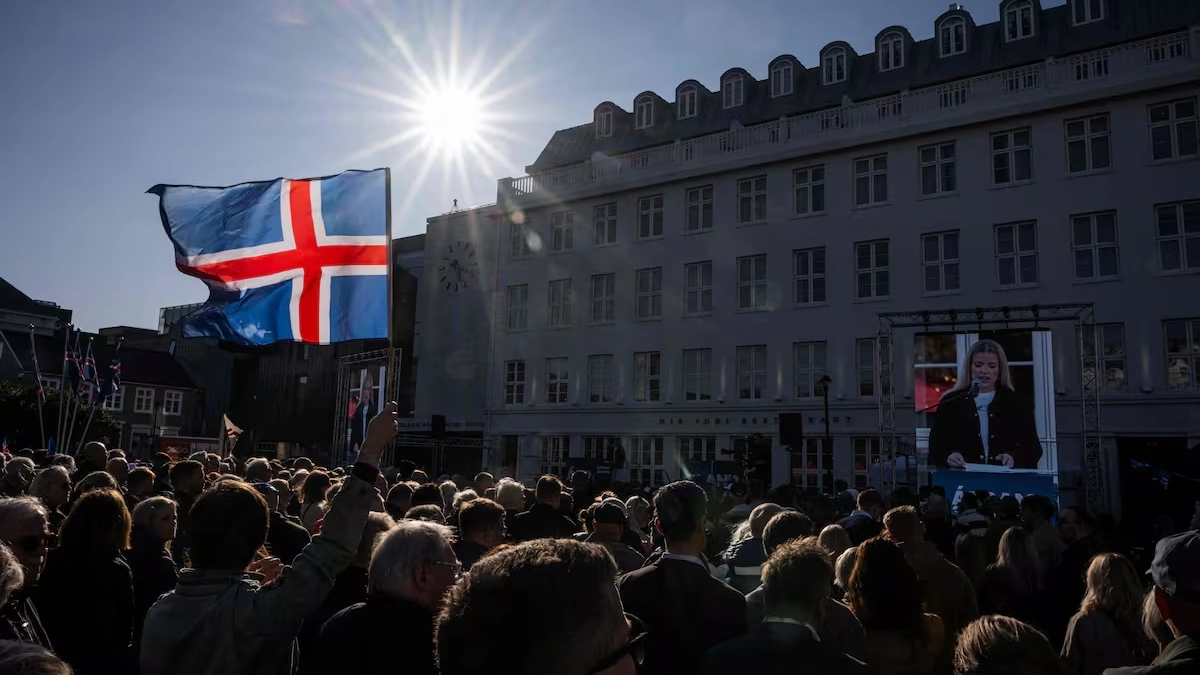
The vote closes the membership path for now without separating Iceland from the European system.
REYKJAVÍK, ICELAND
Icelandic voters have rejected reopening negotiations to join the European Union, with 52.8 percent voting against and 47.2 percent in favour. Turnout exceeded 82 percent, reflecting the importance of a debate that divided the capital from rural and fishing communities.
The referendum concerned only whether accession negotiations should resume. It was not a direct vote on EU membership, which would have required another national referendum after negotiators produced final terms. Prime Minister Kristrún Frostadóttir has said her government will respect the result and will not pursue talks during its current mandate.
Control over fisheries remained the decisive concern for many opponents. Seafood represents a substantial share of Iceland’s exports, and critics feared that membership would subject access to national waters to the EU’s Common Fisheries Policy. Supporters argued that joining could strengthen economic stability, provide influence over European rules and eventually open a path toward replacing the Icelandic króna with the euro.
The decision does not leave Iceland isolated. Through the European Economic Area, the country participates in the EU single market and incorporates much of its legislation without possessing voting rights in European institutions. Iceland is also part of the Schengen passport-free area and NATO, maintaining extensive economic and security relationships with European states.
For Brussels, the result is a symbolic setback at a moment when enlargement is being presented as a strategic response to instability in Ukraine, Russia and the Arctic. Iceland is a prosperous democracy that already satisfies many European standards and could have completed negotiations more easily than several existing candidates. Its rejection demonstrates that regulatory integration and security cooperation do not necessarily produce public support for political membership. The vote freezes accession, but its narrow margin ensures that Iceland’s European debate is unlikely to disappear permanently.
Hechos que no se doblan. / Facts that do not bend.