

 Phoenix 24

Built-in tools on iPhone allow quick object removal without additional software or advanced AI features.
Cupertino, United States.
iPhone users can remove unwanted objects from photos directly within the Photos app using simple built-in editing tools, a capability that does not require Apple Intelligence or third-party software. This feature, available on recent versions of iOS, offers a straightforward way to enhance images by eliminating distractions, refining composition and improving overall visual impact without significant technical steps. By leveraging native editing functions, users can achieve professional-like results in seconds, making everyday photo enhancement more accessible to those who do not want to rely on external applications or advanced artificial intelligence features.
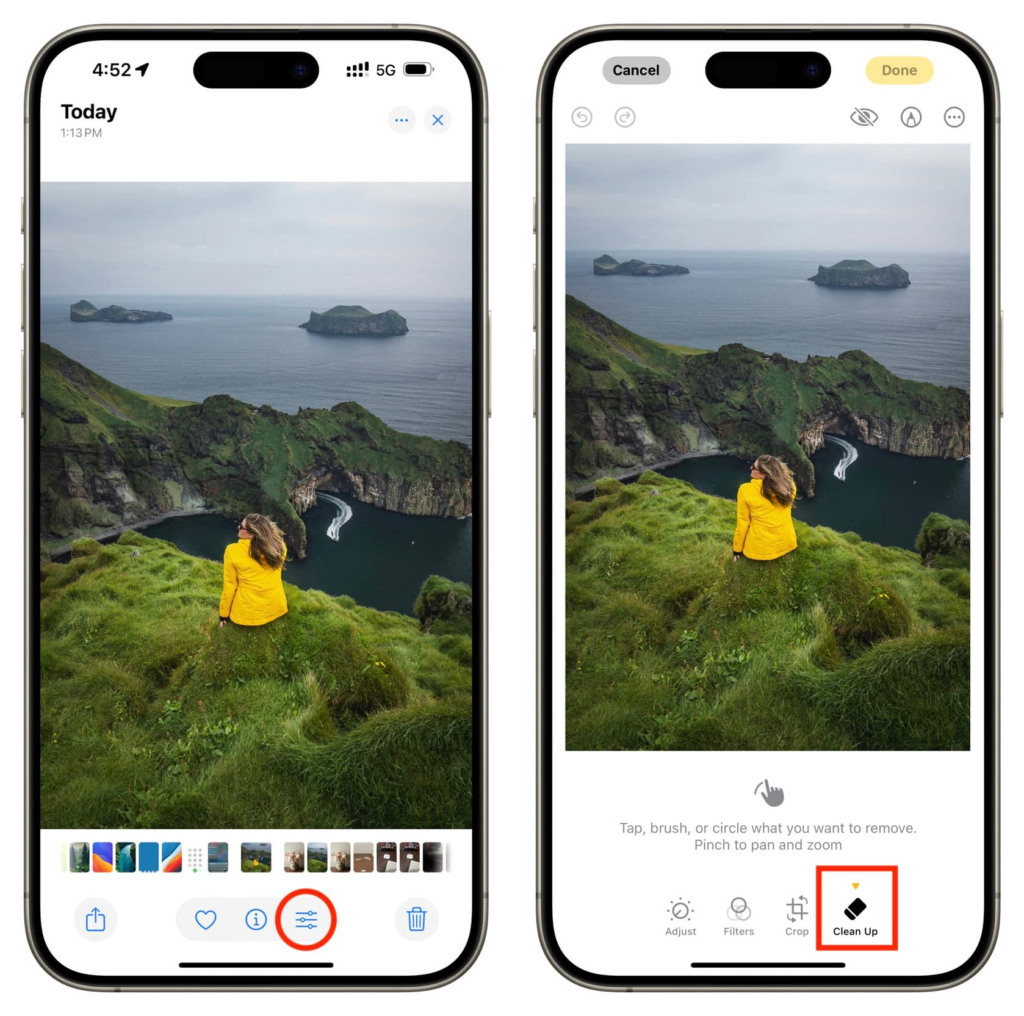
To begin editing, open the Photos app and select the image that contains the object you wish to remove. Tap the Edit button to enter the image adjustment interface, where a series of controls and tools become available for modification. Among these tools is the Remove Object feature, which is designed to intelligently sample pixels from the surrounding area and blend them over the target object, creating a natural-looking result without manual retouching.
Once in edit mode, locate the Remove Object tool in the toolbar, usually represented by a selection or marker icon. After activating the tool, use a finger to trace or highlight the object you want to eliminate. The system then processes the selection and seamlessly fills the area based on the textures and colors around it, minimizing any visible traces of the original element. This process typically takes only a few seconds and requires no advanced technical expertise beyond selecting the area to be removed.
If the initial result does not fully meet expectations, users can refine the selection by adjusting the highlighted area or using additional editing features such as cropping, exposure adjustment or color correction. Combining these tools enables more nuanced control over the final image, particularly in scenarios where lighting conditions or complex backgrounds present challenges. The ability to fine-tune these edits directly within the native photo editor enhances the flexibility and creative potential of the tool.

The object removal function is especially useful for improving snapshots taken in everyday situations, such as group photos with unintended background elements, travel images with unwanted signs or structures, and portraits where distractions compromise the visual focus. By eliminating these elements quickly, users can produce cleaner, more aesthetically pleasing photos suitable for sharing on social media, personal archives or professional portfolios.
This capability also aligns with broader trends in mobile photography that emphasize intuitive, real-time editing without relying on external applications or subscription-based software. Apple’s integration of these tools within the core Photos app reflects a design philosophy that prioritizes ease of use and broad accessibility, enabling users of varying experience levels to achieve high-quality results with minimal effort.
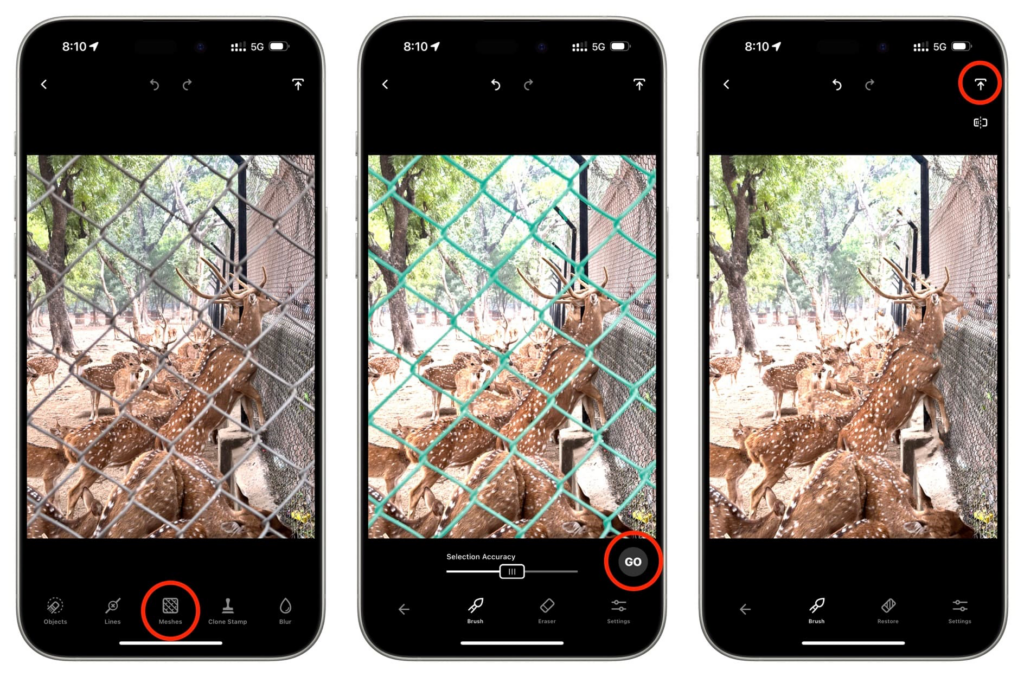
While more advanced AI-powered editing applications and external software offer additional precision and specialized features, the native object removal tool is often sufficient for common use cases. Its performance depends on the complexity of the background and the size of the area being removed, but for many images the built-in processing delivers satisfactory and visually coherent outcomes.
In practice, mastering this feature can streamline photo editing workflows and reduce reliance on multiple applications. It also encourages users to explore other built-in capabilities of the Photos app, such as filters, lighting adjustments and cropping tools, which together form a comprehensive set of functions for everyday image enhancement. As mobile photography continues to evolve, features like quick object removal empower users to express their visual creativity without additional technical barriers.
Detrás de cada dato, hay una intención. Detrás de cada silencio, una estructura.
Behind every data point, there is an intention. Behind every silence, a structure.