

 Phoenix 24

Simple techniques and preventive habits can reduce the likelihood of discomfort and swimmer’s ear.
Miami, United States.
After swimming, water trapped in the ear canal can lead to irritation, muffled hearing and, in some cases, infection known as otitis externa or swimmer’s ear. Health experts recommend several safe methods to remove residual water and lower the risk of bacterial or fungal growth, especially when swimming in pools, lakes or the ocean where moisture can linger and create conditions conducive to microbial proliferation.
One commonly advised technique is gravity assisted drainage. By tilting the head to the side with the affected ear downward and gently pulling the earlobe backward and upward, the ear canal can straighten slightly and facilitate water flow out of the ear. This position combined with light hopping on one foot can encourage trapped water to exit the canal unaided. It is important to avoid inserting cotton swabs, hairpins or other objects into the ear, as this can push water deeper or damage the sensitive skin lining the canal.

Another method involves creating a vacuum effect. With the head tilted to the side, forming a tight seal with the palm over the ear and then gently pushing and releasing the palm can generate negative pressure that helps draw water out. Warm compresses applied over the outer ear can also promote drainage by relaxing the ear muscles and soft tissues, though direct heat should be used cautiously to avoid burns.
Health professionals also underscore the value of prevention. After swimming, tilting the head to each side and allowing excess water to drain is a basic but effective habit. Wearing swim earplugs designed to keep water out can significantly reduce moisture entry, particularly for frequent swimmers or individuals with a history of ear infections. Drying the outer ear with a soft towel and avoiding prolonged exposure to water can further mitigate risk.
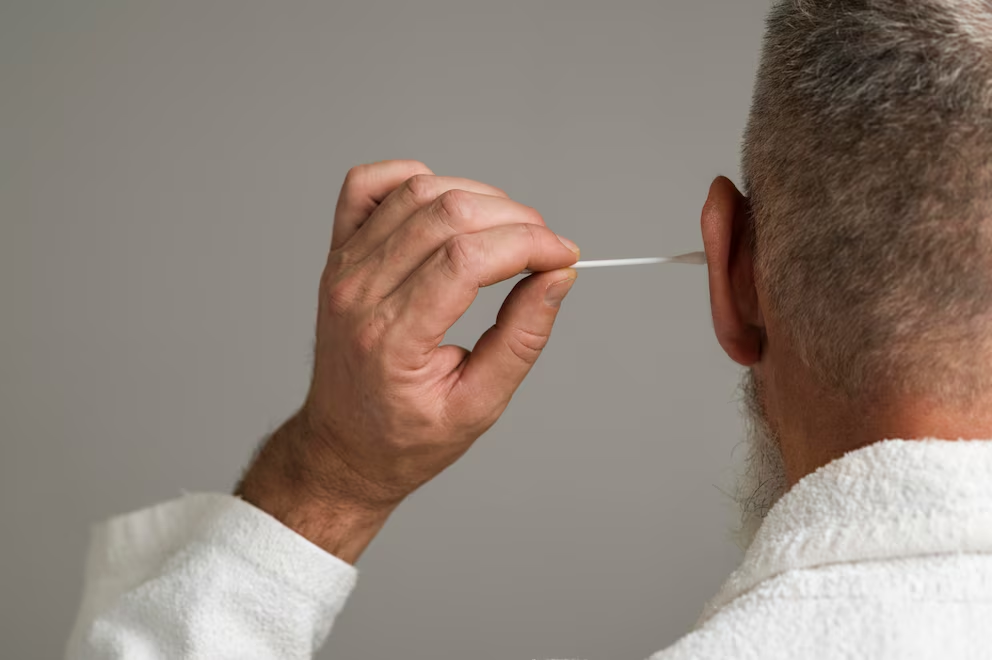
In some cases, a mixture of equal parts rubbing alcohol and white vinegar may be recommended by clinicians for occasional use. The alcohol helps evaporate trapped water while the vinegar’s acidity can inhibit bacterial growth, though this approach should be used with caution and under medical guidance, especially for individuals with a perforated eardrum, ear tubes or existing ear conditions.
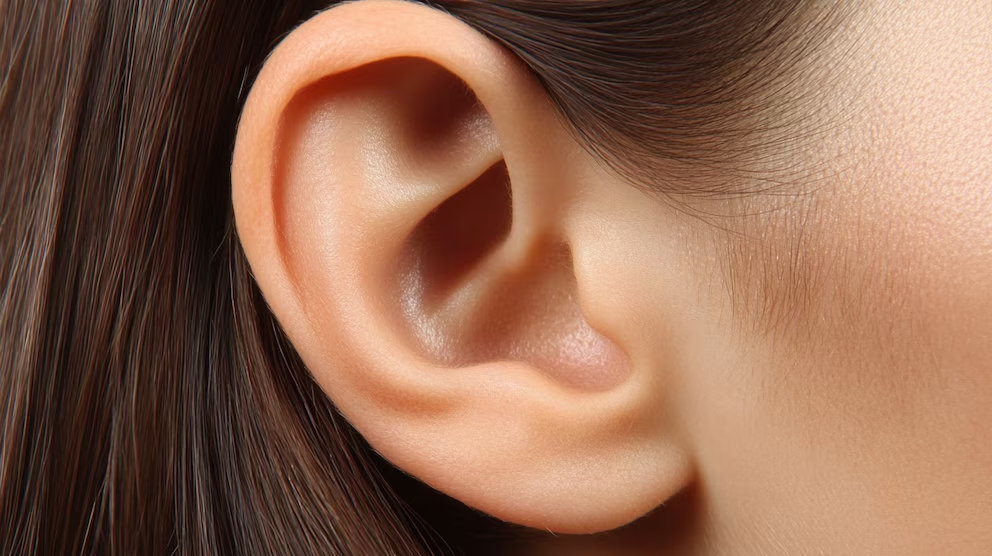
If water remains trapped in the ear despite these measures or if symptoms such as pain, itching, discharge or hearing changes develop, experts advise seeking professional evaluation. Persistent moisture can create an environment where bacteria and fungi thrive, leading to inflammation, infection and the need for medical treatment. Early consultation with a healthcare provider can prevent complications and determine appropriate therapy, which may include prescription eardrops or oral medication.
Children and individuals with compromised immune systems may be more susceptible to swimmer’s ear and should be monitored closely after water exposure. Instructing young swimmers on effective water-removal techniques and integrating preventive habits into swim routines can reduce the incidence of post-swim ear problems.
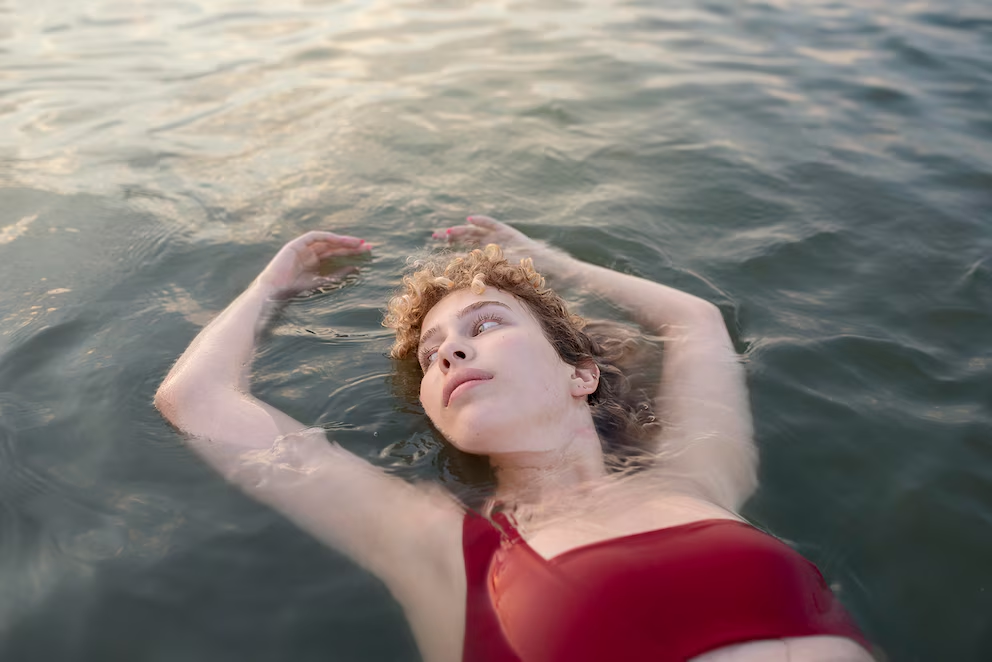
In sum, addressing trapped water in the ear after swimming involves a combination of safe self-care practices, careful prevention and timely medical evaluation when necessary. By understanding simple drainage techniques and recognizing early signs of infection, swimmers can protect ear health and maintain comfort in and out of the water.
Detrás de cada dato, hay una intención. Detrás de cada silencio, una estructura.
Behind every data point, there is an intention. Behind every silence, a structure.