

 Phoenix 24
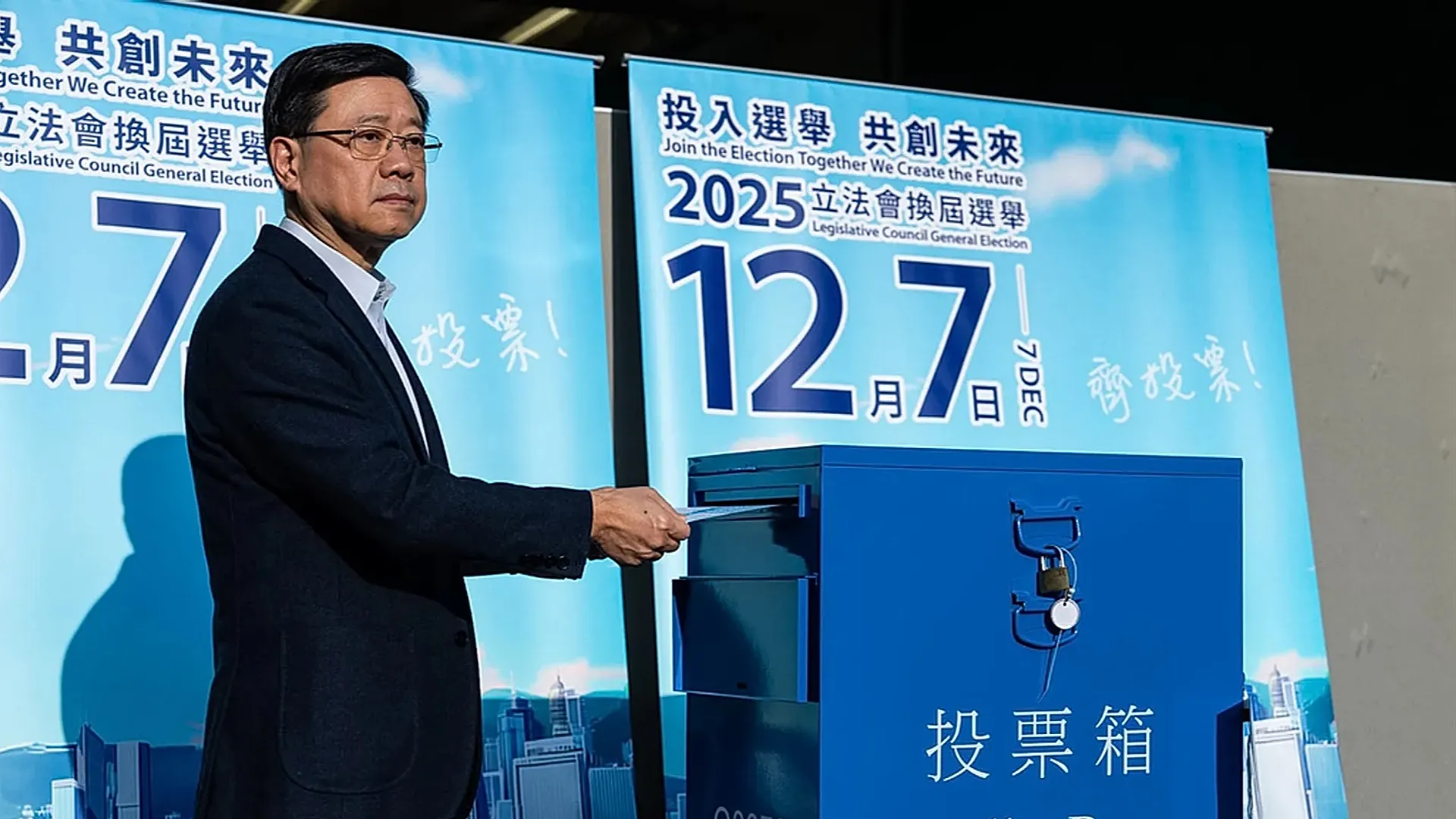
A territory still stunned by a deadly blaze walks into an election that feels less like a democratic exercise and more like a test of collective endurance.
Hong Kong, December 2025
The legislative elections unfolding in Hong Kong have become inseparable from the tragedy that struck the city only days earlier, when a fire tore through a residential block and left more than a hundred and fifty people dead. The scale of the devastation transformed an already restrictive and politically curated electoral process into an event marked by silence, sorrow and frustration. As residents step into polling stations, the air remains thick with smoke, memory and unresolved questions about why a disaster of this magnitude was possible in one of Asia’s most densely monitored urban environments.
Authorities pressed ahead with the vote despite widespread calls for postponement. The official justification emphasized the need to maintain institutional continuity and ensure that a functioning legislature could oversee recovery and reconstruction. Yet many citizens perceive this insistence as a refusal to acknowledge the emotional and political impact of the tragedy. The accelerated reopening of campaign activities, however subdued, has not erased the image of families standing before the charred remains of their homes, searching for belongings or waiting for confirmation of missing relatives. In that setting the promise of political representation feels distant, almost abstract.
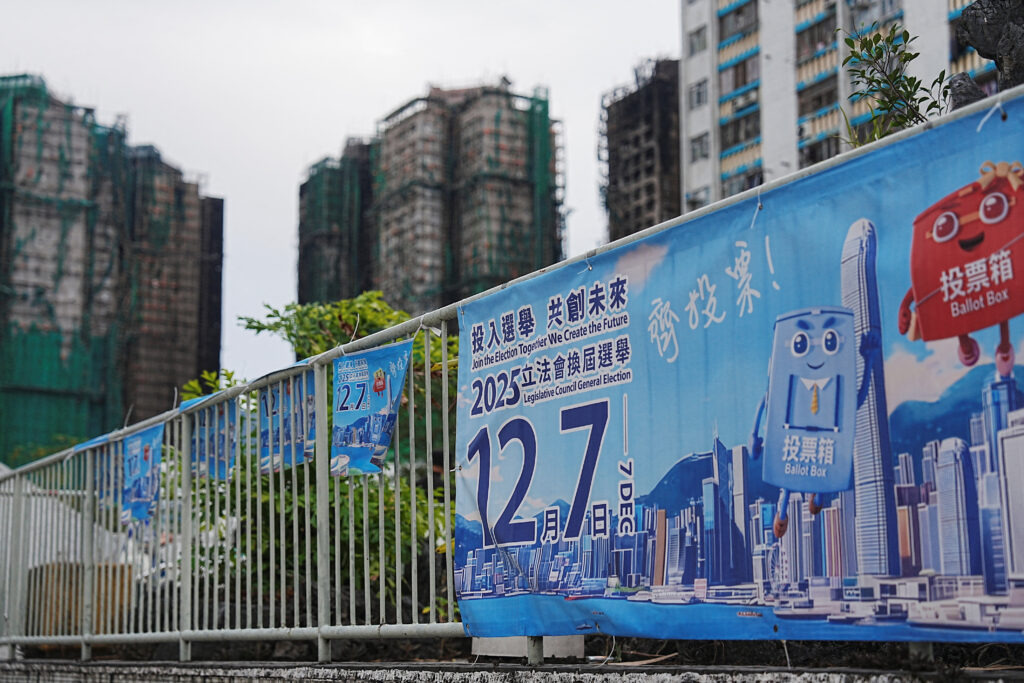
Beijing’s political framework for the territory, in place since the sweeping reforms of 2021, sets the context for the vote. Only candidates deemed loyal to the central government can stand for office, and most seats are filled through mechanisms designed to minimize dissent. European observers familiar with constrained electoral environments note that such systems tend to lose legitimacy rapidly in times of crisis because citizens struggle to believe that filtered institutions can respond to genuine public demands. Analysts in Singapore echo this concern, arguing that the fire has exposed weaknesses not only in building regulation and emergency preparedness but also in the ability of the political system to manage trauma and accountability.
In the neighborhoods near Tai Po, where the fire occurred, the mood is one of disorientation. Residents arrive at the polls slowly, many expressing that voting feels out of place when funerals are still being organized and some families have yet to retrieve the remains of loved ones. For others the act of voting is a way of reclaiming a minimal sense of control after a week that eroded their confidence in local governance. Poll workers report that conversations are subdued and filled less with talk of candidates than with shared memories of the night when the city’s emergency lines were overwhelmed and smoke drifted through corridors long before rescue teams could reach the flames.
Public trust is shaped not only by grief but by suspicion. Multiple international outlets have noted that residents are demanding transparent investigations into whether negligence, outdated infrastructure or regulatory gaps contributed to the scale of the disaster. Local officials insist that an independent inquiry will proceed, though some legal scholars question how independent such an investigation can be in an environment where political appointments and institutional oversight are closely managed by authorities loyal to Beijing. This tension between official assurances and public doubt has magnified the emotional tone of the election.
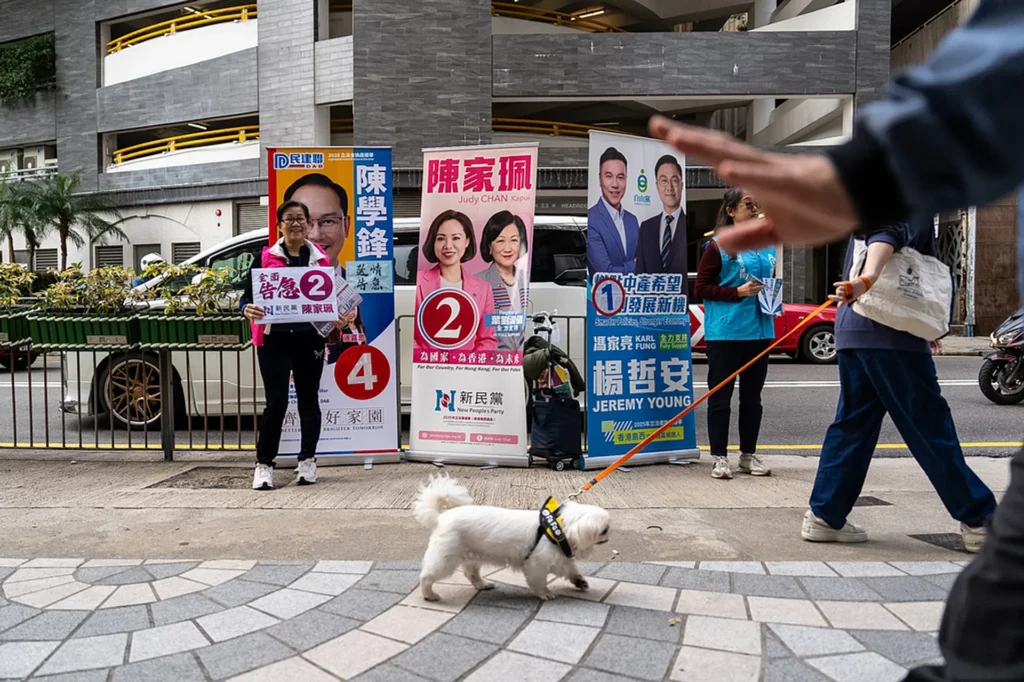
Turnout projections remain uncertain. Some political scientists in Europe predict significantly reduced participation, arguing that trauma tends to suppress civic engagement. Others point to evidence from past crises around the world showing that disasters can also trigger heightened political expression, especially when citizens feel compelled to show presence even in systems where their influence appears limited. In Hong Kong both forces coexist. For some the election is an act of duty. For others it is a reminder of powerlessness.
The international response has been cautious yet attentive. Humanitarian organizations in the Middle East and Africa have expressed concern that the city’s densely populated housing blocks present ongoing risks, particularly for migrant communities who often live in units with limited ventilation and minimal oversight. Asian financial analysts have also noted that tragedies of this scale can erode confidence in urban governance, affecting investment climates and prompting questions about whether regulatory reforms will follow. These external voices highlight that Hong Kong’s challenges extend beyond local politics and intersect with global perceptions of safety, transparency and economic resilience.
The government’s messaging stresses unity and recovery. Officials repeat that political stability is essential for rebuilding and for delivering aid to the families displaced by the fire. This argument resonates with some sectors of the population who fear that public anger could deepen social fractures. Yet for many residents, stability without accountability feels hollow, especially when the smell of burned concrete still hangs in the air and the city’s collective mourning has barely begun.
No matter the final composition of the Legislative Council, the tragedy has already reshaped the political landscape. It exposed structural weaknesses that no electoral outcome can immediately fix. It forced the city to confront the limits of its crisis management capacity. It revealed a public yearning for answers in a system where difficult questions are often redirected or absorbed by bureaucratic layers. And it turned the election into a moment that captures the fragility of a society divided between controlled political expression and a deep, instinctive need for recognition.
As the day unfolds, Hong Kong walks a narrow line between procedural normalcy and emotional rupture. The ballots placed in boxes across the city may not determine the future in the way elections traditionally do, but they carry the weight of the last week’s losses and the unspoken hope that grief might still command attention even in a tightly governed political environment. The true measure of this election will not be in its turnout or its winners, but in whether its echoes reach those who hold the power to respond.
Truth is structure, not noise.
La verdad es estructura, no ruido.