

 Phoenix 24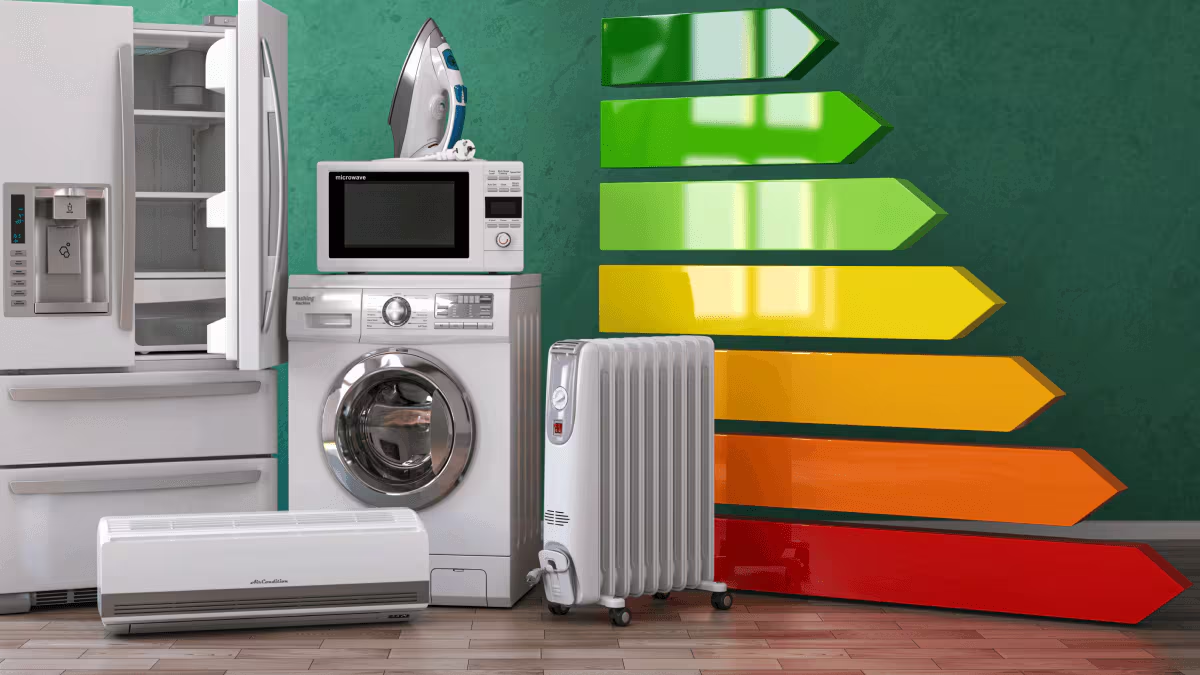
The cheapest electricity is the one you stop wasting.
Washington, April 2026
Semana Santa often brings a brief pause in routine, but it also creates a useful moment to notice how much energy a home keeps consuming even when life slows down. The central issue is not usually the refrigerator, the stove, or the washing machine while they are actively in use. It is the quieter layer of consumption that continues in the background through televisions, gaming consoles, chargers, routers, microwaves, coffee makers, and other devices left plugged in and permanently ready. What many households treat as harmless convenience is often a steady stream of small electrical losses that accumulate over time.
That matters because modern homes are full of equipment designed to remain on standby. A screen that looks off may still be updating software, waiting for a remote signal, or keeping network functions alive. A charger left connected may continue drawing small amounts of electricity even when no phone is attached. Entertainment systems, printers, smart speakers, and kitchen appliances with digital displays all contribute to this silent drain. None of them seems dramatic in isolation, which is precisely why the waste becomes easy to normalize.

The practical lesson is simple. Holidays create the kind of interruption that makes unplugging realistic. When a family leaves town, spends long hours away from home, or just reduces normal activity, many of these devices do not need to remain connected at all. Disconnecting them does not transform the energy bill overnight, but it does cut the kind of avoidable consumption that households often overlook because it feels too small to matter. Over time, however, small and constant losses are exactly what inflate a bill without drawing attention.
The television remains one of the clearest examples of this problem. In many homes it is treated as off when in reality it remains partially active, especially if it is a smart model connected to the internet and configured for fast restart, updates, and background readiness. Consoles and streaming devices often behave in much the same way. These are not high drama appliances in the public imagination, but they are ideal symbols of a broader truth about domestic energy use. The devices that appear most passive are often the ones most quietly persistent.

There is also a cultural shift behind this conversation. For years, energy savings were discussed mainly through major appliances, air conditioning, and heavy consumption habits. Those factors still matter, of course, but the digital home has changed the pattern of waste. Today the problem is not only how much electricity a machine uses when working hard. It is how many machines remain semi awake all the time. The connected household creates comfort, but it also creates a permanent low level demand that many people never fully audit.
That is why the best response is less dramatic than people expect. One does not need a new house or expensive technology to reduce this type of waste. The first step is behavioral. Unplug what will not be used for hours or days. Use power strips with switches in areas where several devices cluster together. Identify which screens, chargers, speakers, and kitchen electronics continue glowing, listening, or waiting after they appear to be turned off. Energy savings in this case come not from sacrifice, but from clearer attention.
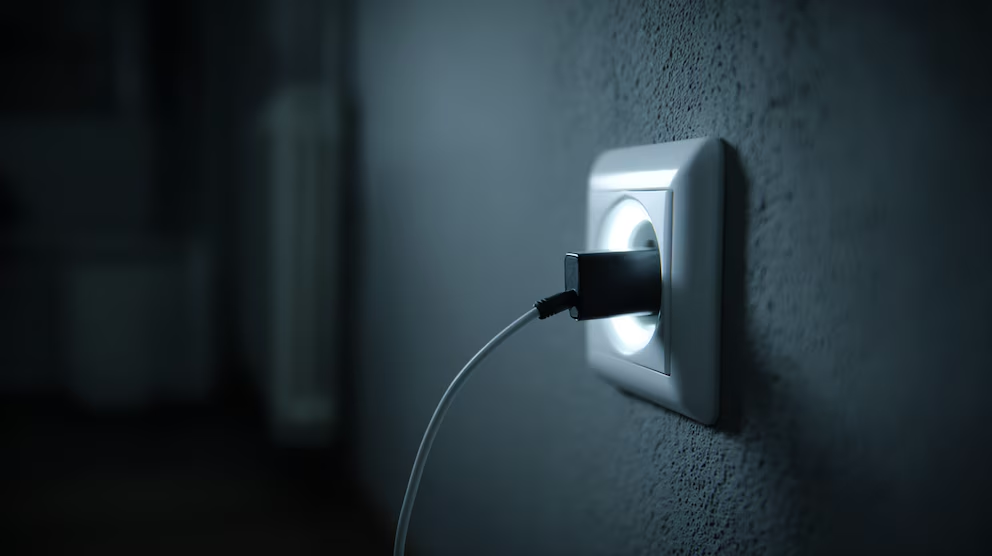
The deeper pattern is easy to miss because standby consumption does not feel like an event. It feels like background life. Yet that is exactly what makes it so effective as a source of hidden cost. During holidays such as Semana Santa, households briefly step outside their normal rhythm and can see the home more clearly as an energy system rather than as a series of habits. What becomes visible then is that much of modern consumption is not driven by need, but by default.

This is why unplugging certain devices has such symbolic force. It is not only about saving a few dollars on the next bill. It is about interrupting the logic of constant readiness that now shapes domestic technology. A home does not have to remain half awake just because its devices were built that way. In an age of permanent connection, one of the smartest forms of efficiency is still the most ordinary: knowing when something truly needs power, and when it only looks like it does.
Phoenix24: inteligencia para audiencias libres. / Phoenix24: intelligence for free audiences.