

 Phoenix 24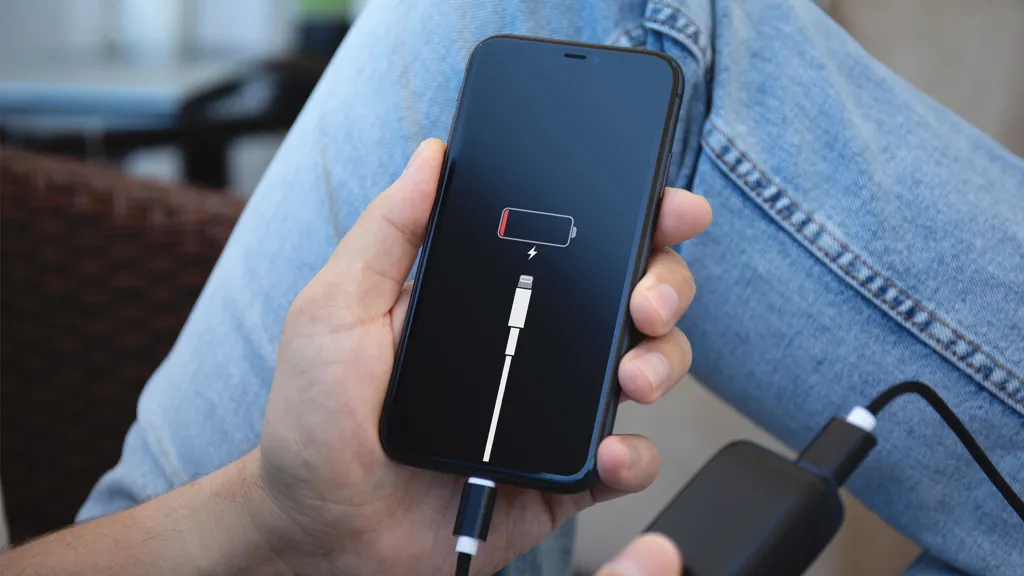
Before panic, test the basics.
Cupertino, April 2026. An iPhone that refuses to charge often triggers immediate anxiety because users tend to assume hardware damage before ruling out simpler causes. In many cases, however, the problem begins far below the level of a true technical breakdown. What Apple’s guidance makes clear is that charging failure often emerges from a chain of small and ordinary issues: unstable power sources, worn accessories, dirty ports, or temporary software errors. The real mistake is not the malfunction itself, but the speed with which users jump from inconvenience to catastrophe.

The first layer of diagnosis is external, not internal. Before blaming the phone, the user must question the environment around it. A faulty outlet, a loose adapter, a damaged cable, or an unreliable power source can interrupt charging without any defect inside the device. This matters because modern users increasingly live inside ecosystems of fragmented accessories, improvised chargers, and worn-out cables that are expected to function indefinitely. The charging crisis often begins not in the iPhone, but in the habits surrounding it.
The cable and adapter deserve special scrutiny because they sit at the center of everyday neglect. People bend them, overuse them, stuff them into bags, leave them exposed to heat, and keep using them long after visible deterioration appears. Once the accessory begins to fail, the phone becomes the accused party even when the real weakness lies elsewhere. That pattern says something broader about digital culture: we trust devices to remain flawless while treating the support systems around them as disposable.
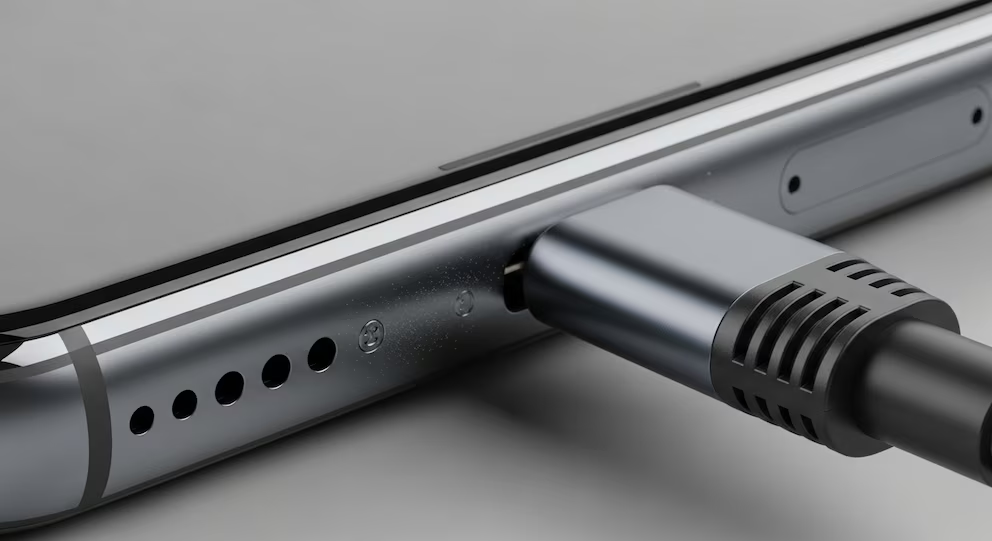
The charging port introduces another layer of hidden fragility. Dust, lint, and residue accumulate slowly, often invisibly, until the connection between the cable and the device becomes unstable or incomplete. At that point, users may interpret the problem as sudden, even though it has been building quietly over time. A blocked port is a reminder that much of modern technology fails not through dramatic damage, but through unnoticed accumulation. Maintenance, in these cases, is less glamorous than repair, but often more decisive.
Software also plays a role, especially when the phone displays signs of power but fails to respond normally. A restart may restore the charging cycle if the issue stems from a temporary system error rather than a damaged component. This is important because digital devices do not only break through hardware fatigue. They also stall, freeze, and miscommunicate through software states that mimic deeper failure. What appears to be a battery crisis may sometimes be a system logic problem in disguise.
Warnings about unsupported or uncertified accessories should not be ignored either. When the device signals incompatibility, it is effectively telling the user that the surrounding ecosystem has become unreliable. This is not merely a branding issue. It is about safety, performance, and electrical consistency. In an era saturated with cheap accessories and imitation hardware, the charging process itself has become a site where quality control and consumer shortcuts collide.

The broader significance of this kind of story lies in how it reflects contemporary technological dependence. A phone that does not charge is no longer a minor inconvenience. It disrupts communication, identity verification, payments, scheduling, navigation, and access to work itself. That is why the emotional reaction is often disproportionate to the immediate fault. The device is not just failing to receive power. It is threatening a person’s operational continuity in daily life.
The practical lesson is simple, but the cultural one is sharper. Before calling a technician, users should test the outlet, inspect the adapter, examine the cable, clean the port carefully, and restart the device if necessary. But beneath that checklist lies a more revealing truth: many digital emergencies begin as maintenance failures disguised as technical disasters. In the age of total dependence on smart devices, knowing how to check the basics has become a small form of technological sovereignty.
Detrás de cada dato, hay una intención. Detrás de cada silencio, una estructura.
Behind every datum, there is an intention. Behind every silence, a structure.