

 Phoenix 24
When the language of screens expands, what we express every day subtly shifts along with it.
London, January 2026. A new set of nine emojis has been finalized for rollout on smartphones and digital platforms in 2026, following a cycle of proposals, reviews and cross-industry consultation that reflects how visual communication continues to evolve. The update aims to broaden the range of expressions available to users and to better represent a mix of emotions, objects and cultural references that have gained prominence in recent years. These additions promise to enrich conversations, reactions and digital interactions across global communities.
The process behind emoji creation involves a consortium of designers, linguists, accessibility advocates and technology stakeholders who evaluate proposals based on cultural relevance, potential for widespread use and inclusivity. The selected set for 2026 builds on trends observed in user behavior, including demands for more nuanced emotional expressions and symbols that reflect everyday experiences. The aim is to ensure that the expanded set resonates across diverse linguistic and cultural contexts while remaining intuitive and accessible.
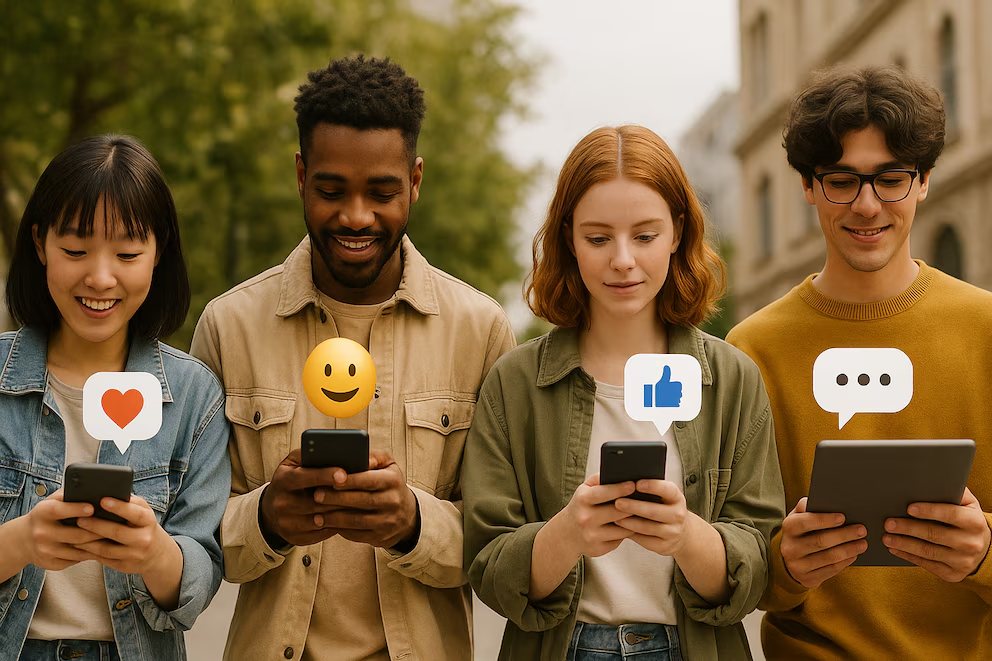
Among the nine emojis slated for release are new icons intended to capture subtle emotional states that were previously hard to convey with existing characters. Users will soon be able to select visuals that express sentiments such as tentative optimism, reflective thought or playful skepticism. These emotional nuances address a gap in digital conversation, where tone and intention can sometimes be difficult to communicate through text alone.
Other new symbols represent objects and concepts that have become increasingly relevant in everyday life. Designers have incorporated icons for renewable technologies, tactile tools and contemporary cultural artifacts, reflecting how emojis are not just about feelings but about the world we navigate. Including these objects in the emoji set acknowledges that digital language evolves alongside material culture and technological change.
Accessibility considerations also shaped the final selection. Advocates involved in the process emphasized that new emojis should work well with screen readers and assistive technologies, ensuring that users with visual or cognitive impairments can engage with them meaningfully. This focus on accessibility reflects broader commitments within the tech industry to make communication tools usable by as many people as possible, regardless of individual ability.
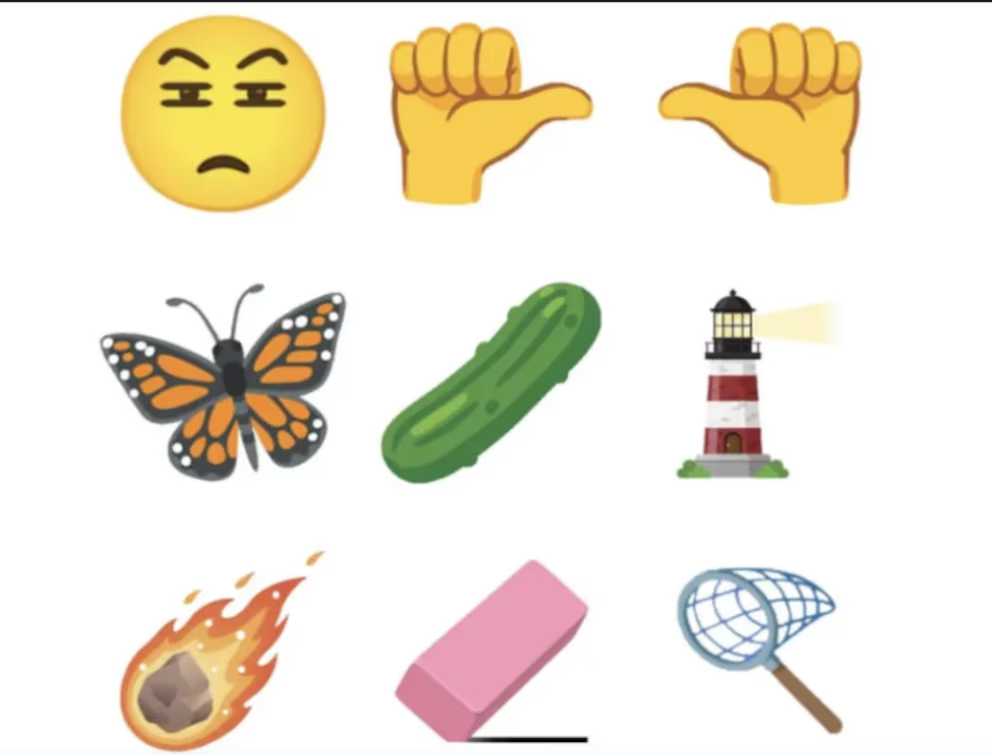
The new emojis also include enhanced representations of everyday items that have seen renewed cultural relevance. For example, visuals related to shared food experiences, personal devices and communal hobbies reflect how social practices influence digital expression. The inclusion of these symbols underlines the way emojis serve not just as icons in a palette, but as shorthand for shared social experience.
Technology observers note that each addition to the emoji lexicon can have subtle effects on online communication. When users have more options to express specific moods or references, the likelihood increases that they will choose precise visual cues rather than generic icons. Over time, this can shape the texture of conversations, making them more expressive, diverse and contextually rich.
Platform developers are preparing to integrate the new emojis into operating systems and messaging apps throughout 2026, coordinating with device manufacturers and application providers to ensure broad availability. Updates will be rolled out in phases, with compatibility across major platforms expected to follow standard release cycles. Developers face the technical task of ensuring consistent rendering of the new symbols across device models, screen sizes and user settings.
User communities have already begun discussing the upcoming emojis on forums, social networks and interest groups focused on digital culture. Early responses suggest that many of the proposed icons have resonated with users who feel that previous sets lacked certain emotional or cultural references that matter in contemporary digital life. Among the topics trending in conversation are hopes that emojis will continue to expand in ways that reflect emerging social patterns and global diversity.

Critics caution that the proliferation of emojis also raises questions about how digital language evolves and whether an ever-growing set of symbols might complicate communication rather than simplify it. While emojis can enhance clarity and tone, too many choices can overwhelm users or dilute the impact of individual icons. Designers involved in the process are aware of this tension and seek to balance innovation with usability, ensuring that the emoji set remains coherent and functional.
For many users, the arrival of new emojis is a reminder of how digital communication tools mirror social change. As new forms of interaction emerge and cultural norms shift, the symbols we use to communicate adapt alongside them. Emojis, more than simple decorations, function as a living lexicon of shared human experience.
The rollout of these symbols will unfold over the course of 2026, and observers will be watching to see how they are adopted in everyday communication, creative expression and even commercial branding. Each addition marks a small but meaningful evolution in how people connect through screens.
Each silence speaks.
Every silence speaks.