

 Phoenix 24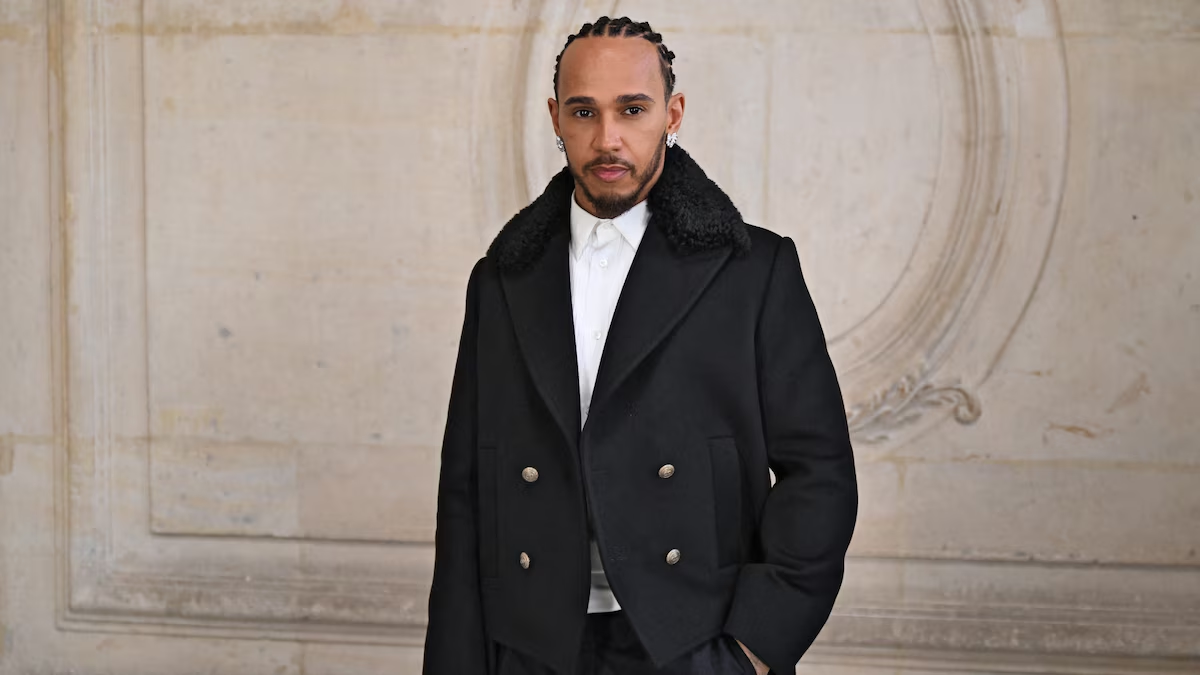
Style also became a way to resist control.
Suzuka, April 2026
Lewis Hamilton’s long running insistence on dressing on his own terms did more than challenge old Formula 1 aesthetics. It helped expose how rigid, narrow and culturally dated the sport’s image codes had been for years, especially in the paddock environment where conformity was often treated as part of professionalism. When Hamilton says the clothing used to be horrendous, he is not just making a fashion complaint. He is describing a culture that once expected drivers to look interchangeable, restrained and visually obedient.
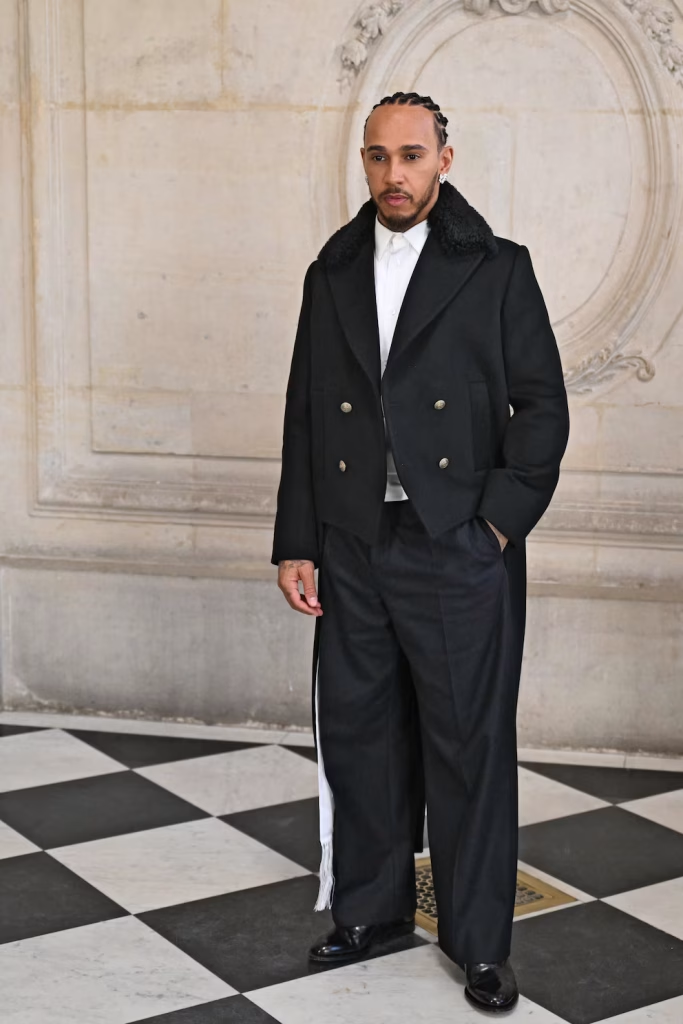
That matters because Formula 1 has never been only a technical competition. It is also a theatre of branding, hierarchy and controlled presentation, where teams, sponsors and institutions shape how personalities are allowed to appear in public. Hamilton disrupted that logic by insisting that a driver could be elite, disciplined and commercially powerful without surrendering personal style. In doing so, he pushed the paddock away from a sterile corporate uniformity and toward something more individual, more contemporary and more culturally legible beyond motorsport.
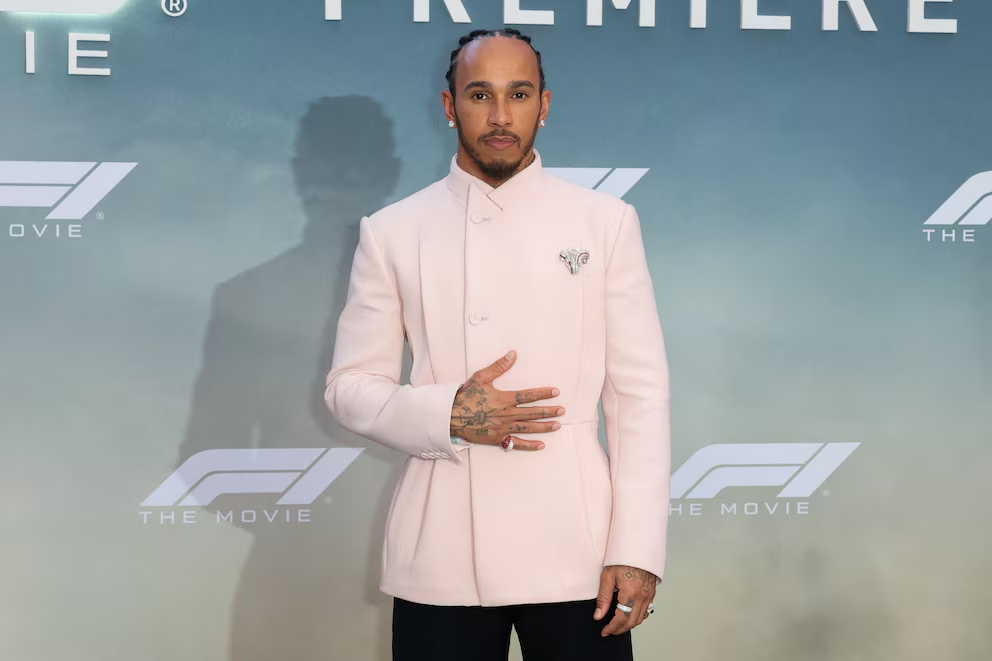
The significance of that shift extends beyond clothing. Hamilton has spent years turning fashion into part of his public language, linking appearance with autonomy, race, status and self definition inside a sport historically marked by conservative codes and narrow gatekeeping. That is why his posture always carried more weight than mere celebrity taste. He was not simply dressing differently. He was forcing Formula 1 to confront who gets to redefine elegance, legitimacy and authority in one of the most image controlled spaces in global sport.
There is also a deeper institutional tension behind this story. Modern elite sports often celebrate individuality in marketing, but remain far less comfortable with it when athletes actually test visual or cultural limits in ways that challenge tradition. Hamilton has repeatedly sat inside that contradiction. He is globally marketable precisely because he is distinct, yet that same distinctiveness has often rubbed against the sport’s instinct for discipline, convention and visual order. The result is a quiet struggle over who controls the meaning of professionalism.
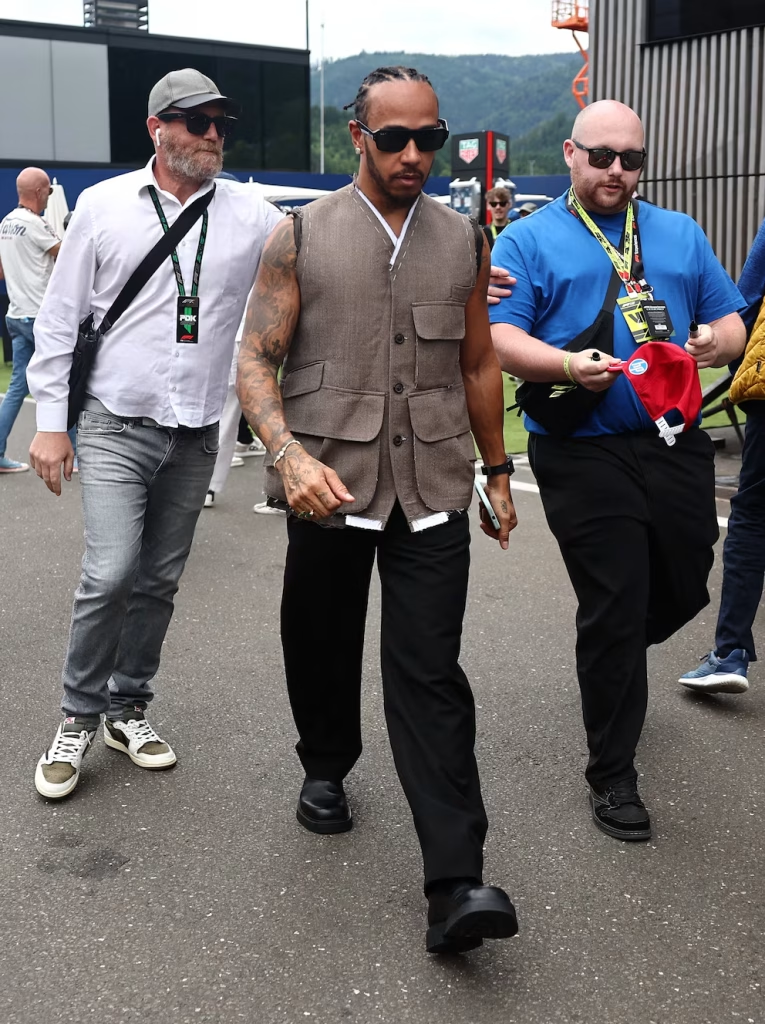
What makes Hamilton’s influence especially notable is that he changed the paddock without needing formal permission to do so. Over time, his presence helped normalize a broader visual range around Formula 1, making style part of the sport’s cultural appeal rather than an accidental side effect. Younger audiences, luxury brands and fashion media did not enter that space by coincidence. They responded to the fact that Hamilton treated the paddock as a site of expression as much as performance. He made personal presentation strategically relevant.
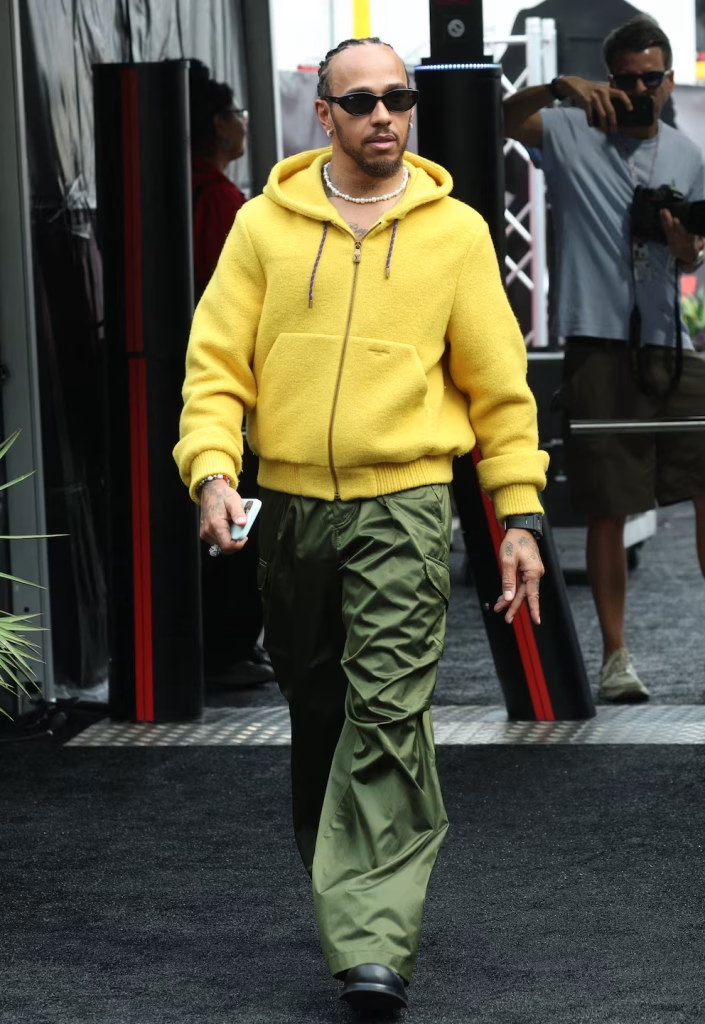
The deeper pattern is clear. Hamilton’s refusal to submit fully to Formula 1’s older dress expectations was never just about clothes. It was about power over image, identity and narrative inside a system that once preferred its stars polished but predictable. By dressing on his own terms, he did not merely break rules of taste. He helped rewrite who Formula 1 could look like in the first place.
The visible and the hidden, in context. / The visible and the hidden, in context.